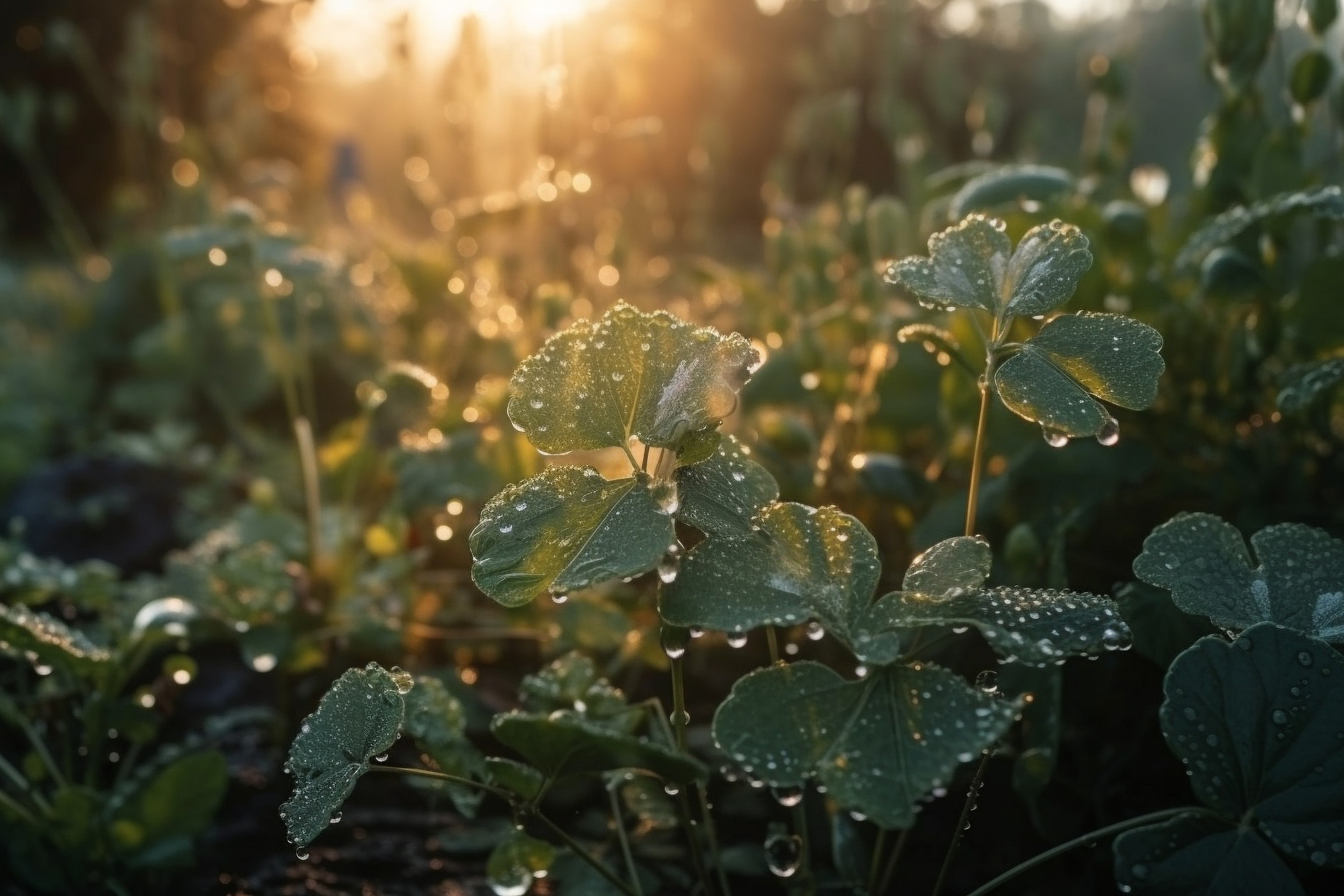
If you’ve ever stepped into your garden on a crisp autumn morning, you’ve probably noticed that magical shimmer of dew blanketing leaves, grass, and flowers. At first glance, it feels like nothing more than a pretty sparkle—the kind of scene that belongs on a postcard.
But dew is more than just nature’s jewelry; it’s a hidden ally in your garden’s survival kit. Beneath its delicate glisten lies a secret role that impacts soil health, plant hydration, and even pest control.
Dew: Nature’s Free Irrigation System
When temperatures dip overnight, moisture in the air condenses and settles on cool surfaces, coating your garden in tiny water droplets. This natural process is essentially a built-in watering system that doesn’t cost you a penny. For plants, especially in autumn when rainfall might be unpredictable, dew provides a much-needed boost of hydration. Those droplets trickle into the soil and help sustain roots without the risk of overwatering. Gardeners often underestimate it, but dew quietly supports plant health during the transition from summer’s heat to winter’s chill.
How Dew Supports Plant Survival in Cooler Weather
Autumn is a tricky season for plants—they’re winding down growth but still need steady moisture to stay strong. Dew helps bridge the gap, supplying hydration at a time when days are shorter and evaporation rates are lower. The gentle watering effect of dew is less stressful on plants compared to heavy rains or manual sprinkling. This slow-release moisture keeps leaves supple, prevents wilting, and supports energy storage in roots before winter dormancy sets in. Without dew’s steady contribution, many plants would face a much tougher seasonal transition.
Dew’s Impact on Soil Health
It’s not just the plants that benefit—your soil thrives on dew too. Morning moisture reduces dust, helps maintain soil structure, and encourages healthy microbial activity. Soil microbes, which play a vital role in breaking down organic matter, flourish in slightly damp conditions. Dew provides that thin layer of hydration needed to keep them active even when rainfall is sparse. A living, microbe-rich soil is more fertile and resilient, giving your autumn garden a major boost.
Dew as a Natural Pest Deterrent
Here’s a surprising twist: dew can play a small role in pest management. Many insects, such as aphids and mites, struggle to thrive in environments with frequent moisture coating leaves. The dampness disrupts their movement and, in some cases, helps plants wash away pests before they can establish colonies. Dew also reduces dust that can attract certain insects, further minimizing infestations. While it won’t replace all your pest control strategies, it’s another quiet way nature lends you a hand.
Dew and Frost: A Delicate Balance
Of course, dew isn’t always harmless. When temperatures dip just below freezing, dew can turn to frost, creating icy crystals on leaves and flowers. For tender plants, frost damage is a serious threat, and what was once a source of hydration becomes a hazard. This is why gardeners must monitor weather forecasts closely in autumn and be ready with covers or mulch to protect vulnerable crops. The key is appreciating dew’s benefits while staying alert to the seasonal risks it carries.
Practical Ways to Work with Dew
Smart gardeners know how to take advantage of dew while protecting their plants. For example, early-morning gardening allows you to use dew’s natural hydration before the sun burns it away. Mulching helps hold in that extra moisture, maximizing its effect on soil and roots. Choosing plants that thrive in damp conditions can also help you harness dew’s benefits naturally. By observing your garden’s morning sparkle, you’ll learn when dew is helping—and when frost-proofing is more urgent.
Don’t Overlook the Morning Sparkle
That glittering layer of dew you admire in autumn mornings isn’t just a pretty backdrop—it’s a hardworking part of your garden’s ecosystem. From hydrating plants to nourishing soil microbes and discouraging pests, dew quietly supports your garden’s health during a critical seasonal shift. Yes, frost is always a looming risk, but awareness and preparation allow you to enjoy dew’s benefits without the downsides. Next time you step into your dewy yard, take a moment to appreciate the hidden science happening right under your feet.
Have you noticed dew helping (or hurting) your autumn garden? Share your thoughts, stories, or tips in the comments below!
You May Also Like…
How to Protect Tender Perennials From Sudden Frost
10 Perennials to Divide Before the First Frost
7 Fall Flowers That Outshine Summer Blooms
Why Fall Is the Best Season to Start a Compost Pile
Using Shredded Paper As Garden Mulch

Brandon Marcus is a staff writer for FrugalGardening.com at District Media, Inc., where he delivers practical gardening advice with a relatable, no-nonsense style. An avid amateur gardener, he holds a BA degree and with over ten years of professional writing experience, he is also an award-winning published author whose first book, Questions For Deep Thinkers, was released by Adams Media. His work has appeared in major publications including Fandom.com, CHUD.com, TheColdWire.com, and Fansided.com.
Leave a Reply