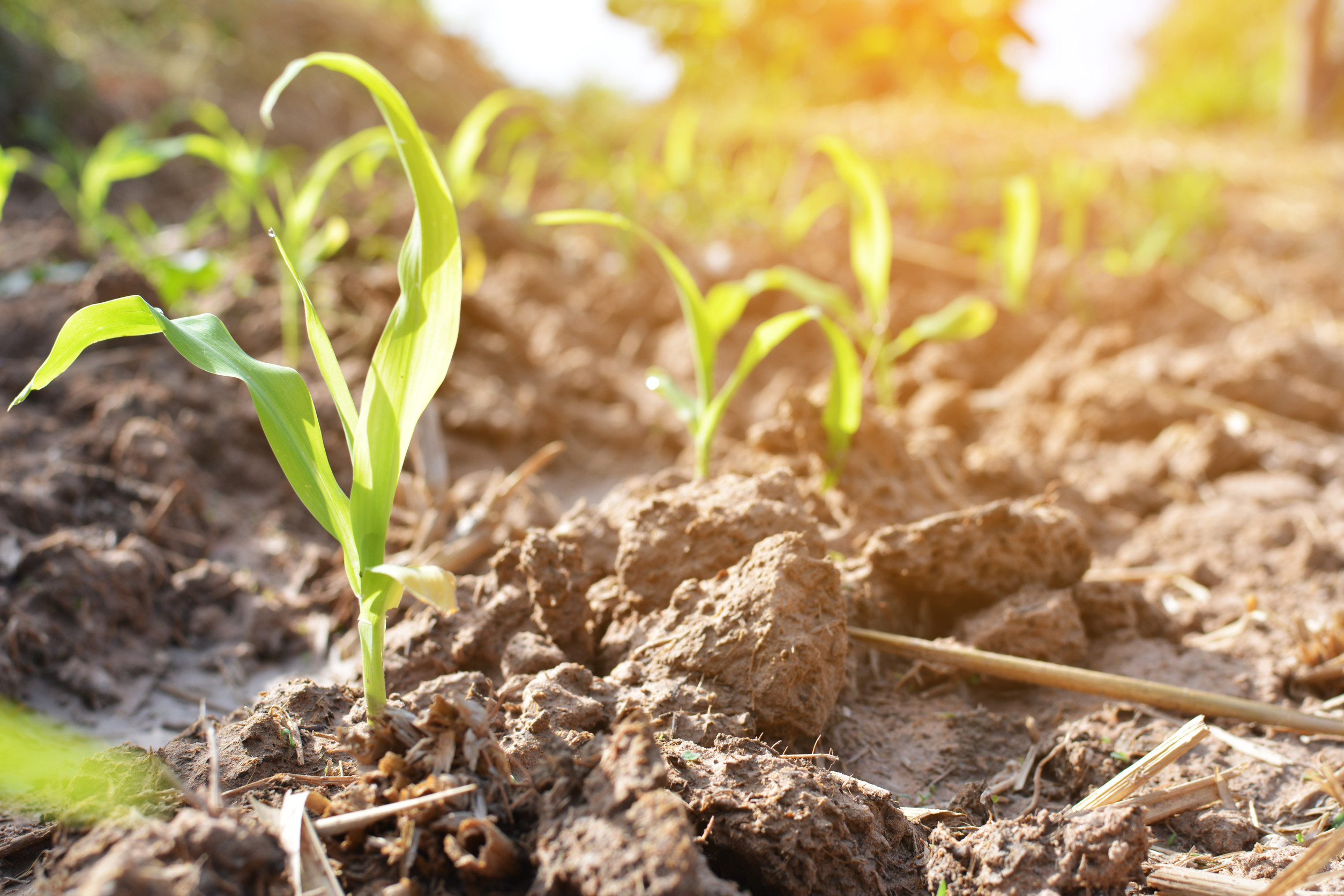
Do you find your garden soil lacking nutrients for your plants? Believe it or not, this is a very common problem. Most likely, your own behaviors are the problem. The good news is, there are things you can change to alleviate the problem. Here are 10 common gardening habits that might seem helpful but can actually harm your soil over time.
1. Over-Tilling
Over-tilling breaks up soil structure, kills beneficial microbes, and increases erosion. Good soil structure is absolutely necessary for water, air, and roots to move efficiently. Instead, try no-dig gardening or limit tilling to areas where it’s absolutely needed. You’ll see a difference in your soil rather quickly.
2. Watering Too Frequently
Watering too frequently promotes shallow root growth and can compact the soil. Shallow roots make plants more vulnerable to drought, heat, and wind stress because they don’t reach deeper, more stable moisture levels. Water deeply is much more effective. By watering deeply and less often, you’ll promote an environment for strong root systems to grow.
3. Using Chemical Fertilizers
Chemical fertilizers can kill soil microbes, alter pH, and create a dependency that degrades soil health. Your plants will suffer if you rely too much on fertilizer. Try to use organic compost, manure, or slow-release natural fertilizers. These will give your plants and your soil the nutrient boost they need.
4. Overusing Pesticides and Herbicides
Not all bugs are bad! Overusing pesticides and herbicides destroys beneficial organisms like earthworms and mycorrhizal fungi. It also can pose health risks to humans. You’ll want to practice integrated pest management (IPM) and use natural alternatives for the best results.
5. Walking on Garden Beds
Stop right there! Walking on your garden beds is very bad for your soil. Why? It compacts the soil, reducing air and water movement. Try to use designated paths or stepping stones to minimize pressure on planting areas.
6. Removing All Organic Debris
Removing organic debris starves the soil of organic matter and nutrients. Leave leaves, prunings, and dead plants (if disease-free) to decompose naturally or compost them. This natural process improves soil fertility and structure, creating a healthier environment for future plant growth. Over-cleaning can also disrupt habitats for beneficial insects and microbes that keep your garden balanced.
7. Adding Too Much Compost or Mulch
Excess compost can cause nutrient imbalances; thick mulch layers can suffocate roots. Use 1–2 inches of mulch and apply compost moderately (1–2 times per year). Overdoing it can also attract pests, retain too much moisture, and lead to root rot. A lighter, balanced approach keeps soil healthy while still protecting and feeding your plants.
8. Planting the Same Crops Every Year (Monoculture)
Planting the same crops every year depletes specific nutrients and encourages pests and disease. Practice crop rotation and companion planting. Rotating crops replenishes soil fertility and reduces the buildup of harmful pathogens. It also supports greater biodiversity, which strengthens your garden’s resilience against future problems.
9. Neglecting Soil Testing
Without knowing your soil’s pH and nutrient levels, you may be unknowingly damaging it. Test your soil every 2–3 years and adjust amendments accordingly. Skipping this step can lead to over-fertilizing or leaving deficiencies unaddressed. Regular testing ensures healthier plants, better yields, and more efficient use of gardening resources.
10. Using Non-Degradable Landscape Fabric
Prevents organic matter from integrating into the soil and disrupts water/air flow. Use natural mulches like bark, straw, or wood chips instead of synthetic fabrics. Over time, landscape fabric can break down into microplastics that harm soil health. Choosing biodegradable options supports healthier ecosystems and makes long-term garden maintenance easier.
Nourishing Not Destroying Your Soil
Healthy soil is the foundation of a thriving garden, but many common habits can unintentionally dry it out. From over-tilling and frequent watering to neglecting mulch and organic matter, these practices strip the soil of moisture and life. By recognizing and changing these habits, gardeners can improve water retention, support soil organisms, and create more resilient, productive gardens. Small changes, like using mulch, watering deeply, and avoiding harsh chemicals, can make a big difference in keeping your soil moist, healthy, and full of life.
You May Also Like…
- 9 Surprising Reasons You’re Seeing More Dead Patches of Grass
- 8 Outdoor Projects That Could Void Your Home Insurance
- 5 Things Growing in Your Yard That Could Get You Sued

Teri Monroe started her career in communications working for local government and nonprofits. Today, she is a freelance finance and lifestyle writer and small business owner. In her spare time, she loves golfing with her husband, taking her dog Milo on long walks, and playing pickleball with friends.
Leave a Reply