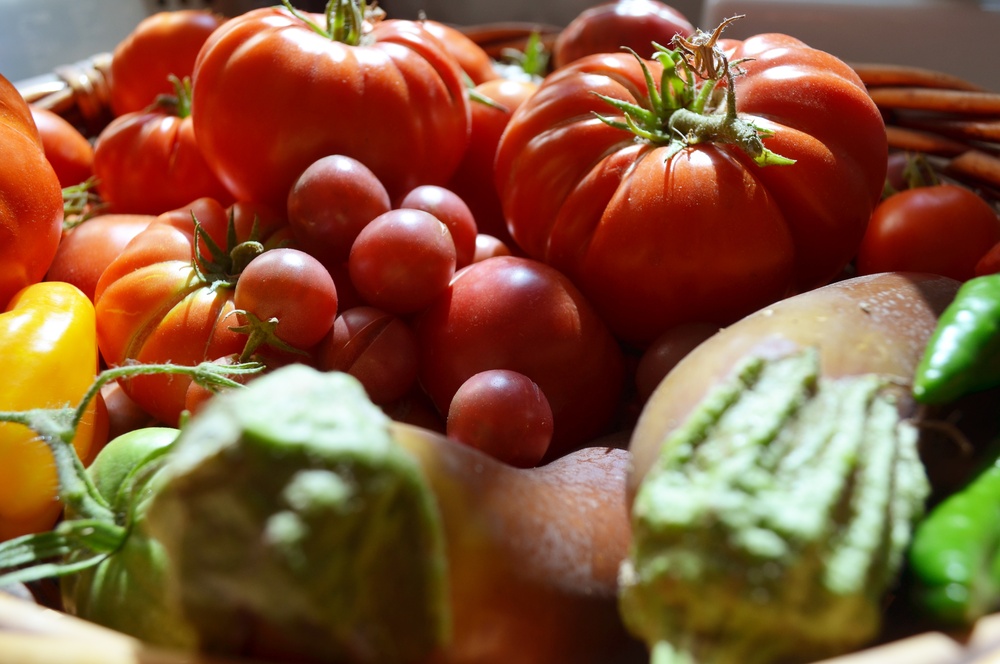
That first sun-warmed tomato picked straight from the vine can feel practically free. After all, you planted one little seedling and several weeks later you’re carrying tomatoes into the kitchen by the armful—or at least that’s how the successful years go. Start adding the price of the plant, fertilizer, cage, mulch, water, pest control, and everything else you bought along the way, however, and the cost of homegrown tomatoes becomes considerably more interesting. A tomato could effectively cost less than $1, or your first one could be the infamous “$20 tomato” after an expensive garden setup. Let’s run several realistic scenarios to see when growing tomatoes actually saves money and when you’re really paying for the gardening experience.
The $5 Tomato Plant Isn’t Your Total Cost
Start with a hypothetical gardener who buys one $5 tomato transplant from a local garden center. Add $4 worth of fertilizer and soil amendments used by that plant, $3 of mulch, perhaps $5 in seasonal water, and you’ve already spent $17 before buying any support. Iowa State University warns that gardening costs can quickly accumulate through tools, equipment, fertilizer, pesticides, water, and other inputs. Buy a $10 cage, and our first-year investment becomes $27, assuming you already own basic gardening tools and have usable soil. That’s why calculating the cost of homegrown tomatoes requires more than dividing the transplant price by the number of tomatoes harvested.
Yield Is Where the Math Gets Interesting
A productive plant can spread those expenses across quite a lot of fruit. In Penn State tomato cultivar trials, marketable yield in central Pennsylvania during 2022 ranged from about 4.2 to 7.8 pounds per plant among the 11 cultivars tested, while total fruit production was substantially higher because some fruit was classified as unmarketable. In southeastern Pennsylvania in 2023, one cultivar produced 13.9 pounds of marketable fruit per plant under trial conditions. Those aren’t promises for backyard gardeners because weather, variety, disease pressure, fertility, irrigation, and growing practices can dramatically alter results. But they give us something better than simply assuming one tomato plant will somehow produce 50 pounds of flawless fruit.
Here’s the Cost of a $27 First-Year Plant
Let’s use a conservative eight-pound edible harvest from our hypothetical $27 first-year tomato setup. Divide $27 by eight pounds and the cost of homegrown tomatoes comes to about $3.38 per pound. If those eight pounds contain roughly 16 half-pound slicing tomatoes, each tomato effectively costs about $1.69. Produce only four pounds after disease, heat, cracking, or hungry wildlife takes its share, and the cost doubles to $6.75 per pound. Grow 15 pounds of usable fruit instead, and the same $27 investment falls to only $1.80 per pound.
The Second Year Can Look Completely Different
Now imagine that $10 tomato cage lasts five years rather than being discarded after one season. Its effective annual cost drops to $2, and homemade compost or shredded-leaf mulch could reduce other recurring expenses as well. Iowa State recommends reusing containers, flats, stakes, ties, and other supplies specifically as a way to lower gardening costs and improve the potential grocery savings. If the following year’s plant costs $5 and another $10 covers the fertilizer, water, mulch, and miscellaneous inputs you actually use, the season might cost roughly $17 instead of $27. Harvest 10 pounds this time and your cost of homegrown tomatoes falls to $1.70 per pound.
Starting From Seed Can Lower the Cost Further
Gardeners growing several tomato plants may save more by starting their own transplants rather than buying mature plants individually. The University of Minnesota recommends starting tomatoes from seed indoors about five to six weeks before they’re planted outside. One packet can potentially supply plants for multiple seasons when seed remains viable, dramatically lowering the plant cost per tomato compared with buying several $5 transplants every spring. There are still expenses for seed-starting mix, containers, and possibly grow lights, so seed starting isn’t automatically cheaper if you purchase an elaborate indoor setup for two plants. Frugal gardeners get the biggest advantage when they already own the equipment, reuse containers, or grow enough plants to spread those costs around.
Don’t Forget the Tomatoes You Never Eat
This is where garden savings calculations frequently become overly optimistic. If your plant produces 15 pounds but five pounds crack, rot, get eaten by pests, or sit on the kitchen counter until they’re thrown away, you didn’t really replace 15 pounds of grocery purchases. Penn State’s tomato trials illustrate how large this difference can become: some cultivars produced more pounds of fruit classified as culls than marketable fruit in certain trials. Weather can play a role too, with Penn State researchers noting substantial rain damage and cracking among fruit during one trial. For household budgeting purposes, calculate the cost of homegrown tomatoes using what you actually eat, freeze, can, dry, or give away—not every tomato the plant technically produced.
Container Tomatoes Can Carry Hidden Expenses
A tomato grown in an existing garden bed has a major financial advantage over one that requires an entirely new container setup. Container gardeners may need to buy a large pot, potting mix, fertilizer, support, and possibly more water because containers can dry rapidly during hot weather. Iowa State University notes that tomatoes work well in containers when gardeners lack suitable in-ground space, but the same guidance cautions that some specialized gardening materials aren’t cost-effective for home growers. A $20 container and several bags of growing medium can make that first year’s tomatoes expensive even when the plant performs beautifully. Reuse that pot and refresh rather than completely replace suitable growing medium in future years, though, and the long-term equation improves considerably.
Time Is the Expense Most Gardeners Leave Out
There’s one final input that rarely appears on the garden-center receipt: your labor. Planting, staking, watering, pruning when appropriate, checking for pests, harvesting, and cleaning up at season’s end all take time. If you assign your gardening hours the same monetary value as paid work, the cost of homegrown tomatoes can easily exceed supermarket prices. Most gardeners don’t calculate labor that way because tending plants is also recreation, exercise, stress relief, and a hobby they willingly choose. That’s perfectly reasonable—just recognize that a tomato can be financially cheap while still requiring a significant investment of your time.
The $1 Tomato and the $10 Tomato Can Come From the Same Garden
So, how much does a homegrown tomato actually cost? In our examples, an established productive plant might deliver tomatoes for well under $2 per pound, while a disappointing first-year plant with newly purchased equipment could easily produce fruit costing several times that amount. The secret isn’t finding a magical cheap tomato variety; it’s keeping reusable expenses low, improving yield, preventing waste, and spreading equipment costs across multiple seasons. Track every tomato-related purchase one year, weigh the usable harvest, and divide your total spending by the pounds that actually reach your table if you want to know your personal cost of homegrown tomatoes.
Have you ever calculated what your garden tomatoes really cost, and do you think the flavor alone makes them worth growing? Share your numbers in the comments.
What to Read Next
Tomato Blight? Don’t Put These Plants in the Compost Pile
A Small Fall Garden Can Keep Producing Long After Summer Tomatoes Are Gone
We Compared Dollar Store Seeds With $5 Premium Seeds — Does Paying More Matter?
Leave a Reply