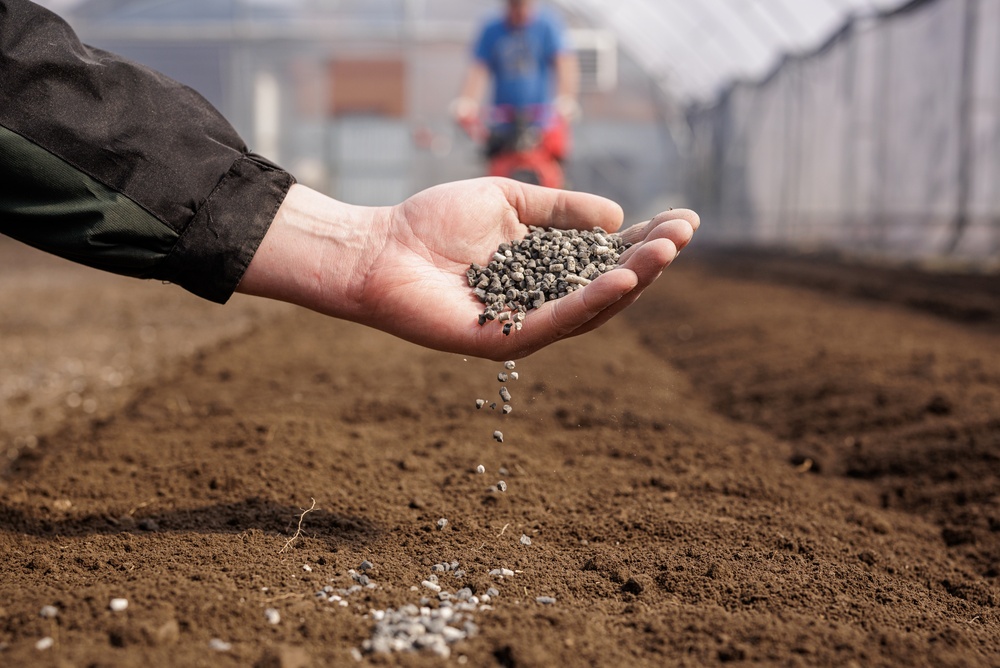
Midseason fertilizer can feel like a magic trick. Plants start looking a little tired, tomatoes seem less productive, and leafy vegetables lose some of their early-season enthusiasm. The natural reaction involves reaching for a bag of fertilizer and hoping for a quick turnaround.
Sometimes that works beautifully. Other times, that same fertilizer pushes already-stressed plants into even deeper trouble. A garden in midsummer faces very different conditions than it did during spring planting, and knowing the difference between a hungry plant and a stressed plant can save an entire season’s worth of effort.
Signs That Fertilizer Can Actually Help
Plants consume nutrients throughout the growing season, so some crops genuinely benefit from a midseason feeding. Heavy feeders such as tomatoes, peppers, squash, cucumbers, and corn often use significant amounts of nitrogen and other nutrients while producing fruit. A healthy plant with pale leaves, slower growth, or reduced vigor may simply need additional nutrition. In these situations, fertilizer acts like refueling a vehicle before a long trip rather than repairing a breakdown.
The key clue involves overall plant health. Leaves should still look reasonably firm, stems should remain sturdy, and growth should continue even if it has slowed. Gardeners often notice this pattern in raised beds that support multiple crops or in containers where nutrients wash away more quickly through regular watering. When plants appear healthy but slightly depleted, a balanced fertilizer or a light side-dressing of compost often restores steady growth and supports continued harvests.
Why Stressed Plants React Differently
A stressed plant operates in survival mode. Extreme heat, drought, flooding, root damage, pest pressure, or disease forces the plant to focus on staying alive rather than producing new growth. Adding fertilizer during these moments often creates additional stress because roots struggle to absorb nutrients efficiently under difficult conditions.
Picture a tomato plant during a week of scorching temperatures. Leaves curl inward to conserve moisture, blossoms drop before setting fruit, and growth nearly stops. Fertilizer cannot solve that problem because heat stress caused it. Extra nutrients may actually increase salt concentrations around the roots, making water uptake even more difficult and worsening the plant’s condition. The plant needs relief from stress before it needs more food.
The Difference Between Hunger and Stress
Nutrient deficiencies and environmental stress sometimes look surprisingly similar. Yellowing leaves, slow growth, and reduced production can appear in both situations. That overlap causes many gardeners to apply fertilizer when a completely different solution would work better.
Checking soil moisture often reveals the real story. Dry soil, waterlogged soil, compacted soil, or damaged roots frequently explain poor plant performance. Weather also offers clues. If a stretch of intense heat arrived just before plants started declining, environmental stress likely caused the problem. Fertilizer helps when nutrient shortages limit growth, but it rarely fixes problems related to temperature extremes, watering issues, or disease pressure.
Common Situations Where Fertilizer Causes Burn
Fertilizer burn occurs when concentrated nutrients draw water away from plant tissues. The result can include brown leaf edges, scorched foliage, stunted growth, and additional stress. Fast-release fertilizers create the highest risk when gardeners apply them heavily during hot weather or drought conditions.
Container gardens face particular vulnerability. Pots dry out faster than in-ground beds, and fertilizer salts accumulate more easily in limited soil volumes. A pepper plant growing in a container during July heat may already struggle to maintain adequate moisture levels. Adding a strong fertilizer application on top of that challenge often produces crispy leaf edges instead of healthier growth. Even organic fertilizers can cause problems when gardeners apply excessive amounts during stressful weather.
Smarter Ways to Feed Plants During Summer
Timing matters almost as much as the fertilizer itself. Early morning applications generally work best because plants have cooler temperatures and access to moisture throughout the day. Watering before and after fertilizing helps distribute nutrients more evenly and reduces the risk of root injury.
Light applications usually outperform heavy ones during midsummer. Many experienced gardeners prefer feeding plants in smaller doses rather than delivering one large application. Compost, compost tea, fish emulsion, or diluted liquid fertilizers often provide gentler nutrition that supports growth without overwhelming stressed root systems. This approach allows plants to use nutrients steadily while reducing the chance of fertilizer burn.
When Waiting Is the Best Gardening Decision
Sometimes the smartest gardening move involves patience. A wilted squash plant after several days of extreme heat does not need fertilizer. It needs consistent moisture, cooler temperatures, and time to recover. Once conditions improve and active growth resumes, supplemental feeding may make sense.
The same principle applies after pest outbreaks, storm damage, or transplant shock. Fertilizer cannot force recovery. Healthy roots and favorable growing conditions drive recovery. Gardeners who address the underlying stress first often see stronger results than those who immediately reach for plant food. A few extra days of observation can prevent weeks of frustration.
The Garden’s Midseason Reality Check
Midseason fertilizer serves as a valuable tool, but it should never become an automatic response to every garden problem. Healthy plants that show signs of nutrient depletion often benefit from additional feeding, especially heavy-producing vegetables. Stressed plants, however, usually need relief from heat, drought, root damage, or other environmental pressures before they can use extra nutrients effectively.
Successful gardeners spend time diagnosing the cause of a plant’s decline before opening a fertilizer bag. That simple habit prevents fertilizer burn, protects struggling plants, and encourages stronger growth when nutrition truly represents the missing piece. The garden rewards careful observation far more often than quick fixes.
What has been the biggest fertilizer success or mistake in your garden, and what lesson did it teach you? It’s time to share what you’ve learned below in our comments section.
You May Also Like…
Pennsylvania’s New Fertilizer Law Bans Phosphorus and Caps Nitrogen at 0.7 lb per 1,000 Sq Ft
Why Soil Tests Matter Under PA’s Fertilizer Law—Know Before You Apply
Companion Planting Cheat Sheet: Perfect Pairings That Boost Growth and Save Space
The Growth Mistake Most Gardeners Overlook
5 Fertilizer Errors That Reduce Yields Without You Noticing

Brandon Marcus is a staff writer for FrugalGardening.com at District Media, Inc., where he delivers practical gardening advice with a relatable, no-nonsense style. An avid amateur gardener, he holds a BA degree and with over ten years of professional writing experience, he is also an award-winning published author whose first book, Questions For Deep Thinkers, was released by Adams Media. His work has appeared in major publications including Fandom.com, CHUD.com, TheColdWire.com, and Fansided.com.
Leave a Reply