
Ants marching across the yard might look like tiny road crews at work, but these little engineers are sending messages that go far beyond simple foraging. Their trails are more than lines of organized chaos; they reveal the inner workings of your soil, the health of your plants, and even the secret dynamics of your backyard ecosystem.
The intricate networks ants carve out across your lawn are like living signals, buzzing with information. Each trail tells a story about food sources, soil conditions, and the balance of life right beneath your feet. Observing them carefully opens a window into the complex interactions that determine which plants flourish and which struggle. Far from being mere pests, ants play a vital role in soil aeration, nutrient distribution, and pest control. Ignoring them means missing out on one of nature’s most efficient garden assistants.
Tiny Architects of the Underground: How Ants Shape Soil Health
Ants dig tunnels and chambers that resemble miniature cityscapes beneath the surface. These tunnels aerate the soil, allowing water and oxygen to reach plant roots more efficiently, which is critical for vibrant plant growth. By moving soil particles and organic matter, ants naturally improve soil texture and drainage, often helping compacted soil breathe again. Their tunneling can even accelerate the decomposition process, turning fallen leaves and plant debris into nutrient-rich humus faster.
The movement of soil by ants also helps distribute beneficial microbes throughout the garden. These microbes break down organic matter into nutrients that plants can absorb, effectively making ants organic gardeners without paychecks. Certain ant species preferentially collect seeds, dropping some along the way and creating opportunities for new plant growth, which can enhance biodiversity in a yard. Understanding these contributions can shift the perspective from seeing ants as nuisances to recognizing them as allies in soil management.
Managing ant activity to maximize these benefits requires observation and moderation rather than eradication. If trails are concentrated around certain plants, gently redirecting them or improving mulch coverage can prevent unwanted interference without harming the overall ecosystem. Natural deterrents like citrus peels or vinegar sprays work selectively, allowing ants to continue benefiting soil health while keeping plants safe. By embracing this perspective, gardeners can balance pest control with ecological enrichment.
Secret Garden Fertilizers: What Ant Diets Reveal About Plant Needs
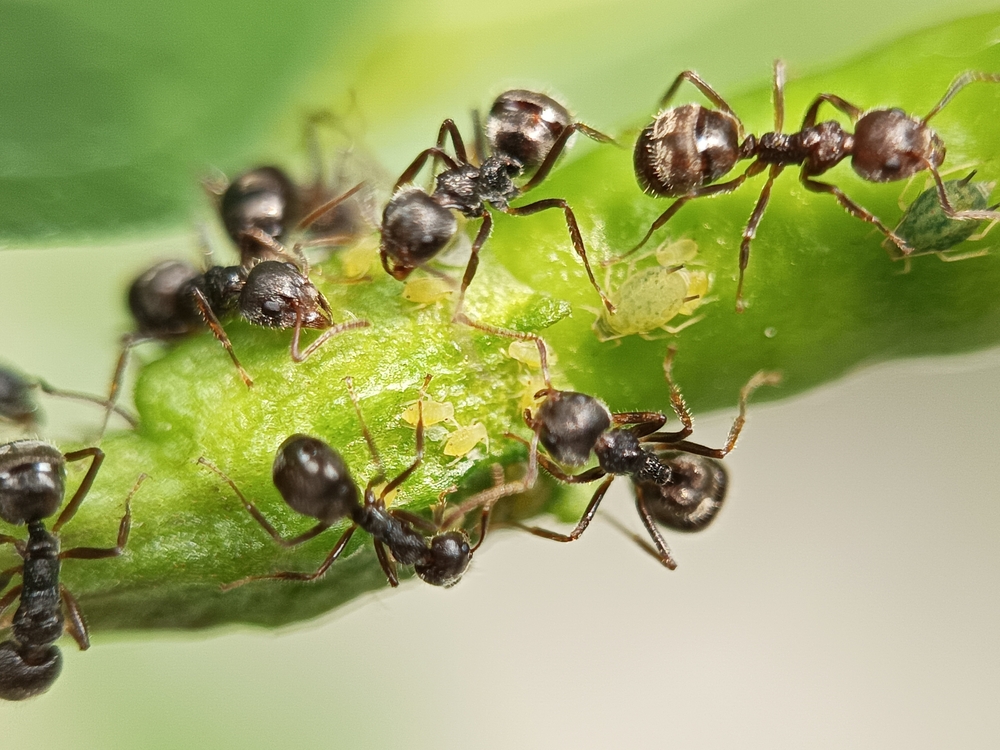
Ants don’t just tunnel—they forage strategically, and where they go often mirrors the nutritional map of your garden. Ants feed on small insects, nectar, seeds, and sugary excretions from aphids. Observing their trails provides clues about which plants attract pests or produce extra nectar, signaling both plant strengths and vulnerabilities. A concentration of ants near certain shrubs might indicate aphid populations that need monitoring, while trails leading to flowering plants often point to healthy, productive blooms.
Because ants interact with both pests and pollination, they indirectly influence fertilization and plant growth. They can remove pest larvae from soil, reducing competition for nutrients, while also dispersing seeds and promoting pollination indirectly through their movement. These dietary habits demonstrate that ants operate as both predators and gardeners, maintaining ecological balance while subtly shaping plant success.
For gardeners looking to encourage these natural benefits, consider companion planting strategies. Flowers that attract ants’ favorite insects can serve as natural buffers, and maintaining ground cover can help ants disperse nutrients evenly across the yard. Avoiding harsh chemical pesticides ensures that ants remain active and beneficial, rather than disappearing and leaving soil management entirely to human intervention. Observing the paths they take may reveal which areas of the yard require more nutrients, more water, or better soil structure.
Ants vs. Overcrowding: How Trails Indicate Yard Balance
Ant trails are often a map of competition in miniature, revealing which areas of a yard are overcrowded or struggling. When trails become dense in one corner, it can signal soil that’s too dry, too compacted, or too rich in aphids or other food sources. Conversely, areas with fewer trails often enjoy a healthier balance of soil nutrients, moisture, and plant diversity. In this way, ants act as living indicators of the health of your landscape.
Their territorial behavior also keeps smaller insect populations in check. Ants will chase away or even prey on certain insects, which can prevent outbreaks of pests that might otherwise damage your plants. However, aggressive ant species can sometimes farm aphids, encouraging more of these plant-sapping pests in exchange for sugary honeydew. Recognizing these patterns allows gardeners to intervene strategically, supporting beneficial ants while discouraging destructive relationships.
Adjusting watering schedules, spreading mulch, and planting a diversity of species can redistribute ant activity more evenly across a yard. Creating balance not only protects plants but also reduces visible ant traffic in unwanted areas. By reading the trails carefully, gardeners gain a window into the natural negotiation between soil, plants, and insects that keeps an outdoor space flourishing.
Tiny Teachers: What Ant Trails Teach About Ecosystems
Watching ants in motion is like observing an ecosystem in fast-forward. They demonstrate cooperation, resource allocation, and adaptation in ways humans can learn from. Their trails can teach about patience, persistence, and efficiency, as well as the importance of balance in a shared environment. Every detour, fork, and busy intersection reflects a microcosm of survival and collaboration that is endlessly fascinating to study.
For anyone who loves nature, these insects provide real-time lessons on environmental interdependence. Plant diversity, soil condition, moisture levels, and pest populations all interact with ant activity, creating a living laboratory right outside the door. Understanding these dynamics encourages a more thoughtful approach to gardening, one that values observation and informed action over brute force intervention. By studying these tiny teachers, gardeners gain insight into larger principles of ecology that apply far beyond their own yards.
Trails That Talk: Turning Ant Activity Into Garden Strategy
The most important takeaway is that ant trails are not random—they are signals from the soil itself. Observing where ants travel, where trails intersect, and where they concentrate can inform planting strategies, irrigation decisions, and pest management. A yard that listens to these tiny engineers often ends up healthier, more resilient, and more productive than one that treats all ants as intruders.
Experimenting with simple adjustments—like introducing mulch, planting insect-attracting flowers, or gently disrupting trails in sensitive areas—can make a big difference. Ants reward patience and attention, quietly enriching soil, controlling minor pests, and even helping with seed dispersal. Embracing this approach transforms ants from annoying invaders into active participants in your garden’s long-term health. Observing and learning from these creatures turns gardening into a game of insight, strategy, and quiet cooperation with nature’s tiniest landscapers.
Nature’s Tiny Lawn Consultants: Reading the Signs
Ant trails offer more than curiosity—they provide actionable intelligence. Every winding path is a report on soil texture, plant health, pest activity, and ecosystem balance. Using these observations as a guide allows gardeners to adapt their approach, promote beneficial activity, and mitigate potential damage. Knowing what ants want and where they thrive helps create a yard that supports both plants and insects harmoniously.
What trails are your ants blazing in the yard, and what might they be teaching about the soil beneath your feet? Sharing observations and strategies can spark lively discussions and uncover new insights about the secret lives of these tiny engineers.
You May Also Like…
March Bugs That Target Tender New Leaves
9 Backyard Bugs That Can Damage Plants Before Summer
6 Low-Cost Plants That Thrive for Beginner Gardeners on a Budget
Plants That Thrive With Minimal Fertilizer
What Ants in Your Garden May Be Signaling

Brandon Marcus is a staff writer for FrugalGardening.com at District Media, Inc., where he delivers practical gardening advice with a relatable, no-nonsense style. An avid amateur gardener, he holds a BA degree and with over ten years of professional writing experience, he is also an award-winning published author whose first book, Questions For Deep Thinkers, was released by Adams Media. His work has appeared in major publications including Fandom.com, CHUD.com, TheColdWire.com, and Fansided.com.
Leave a Reply