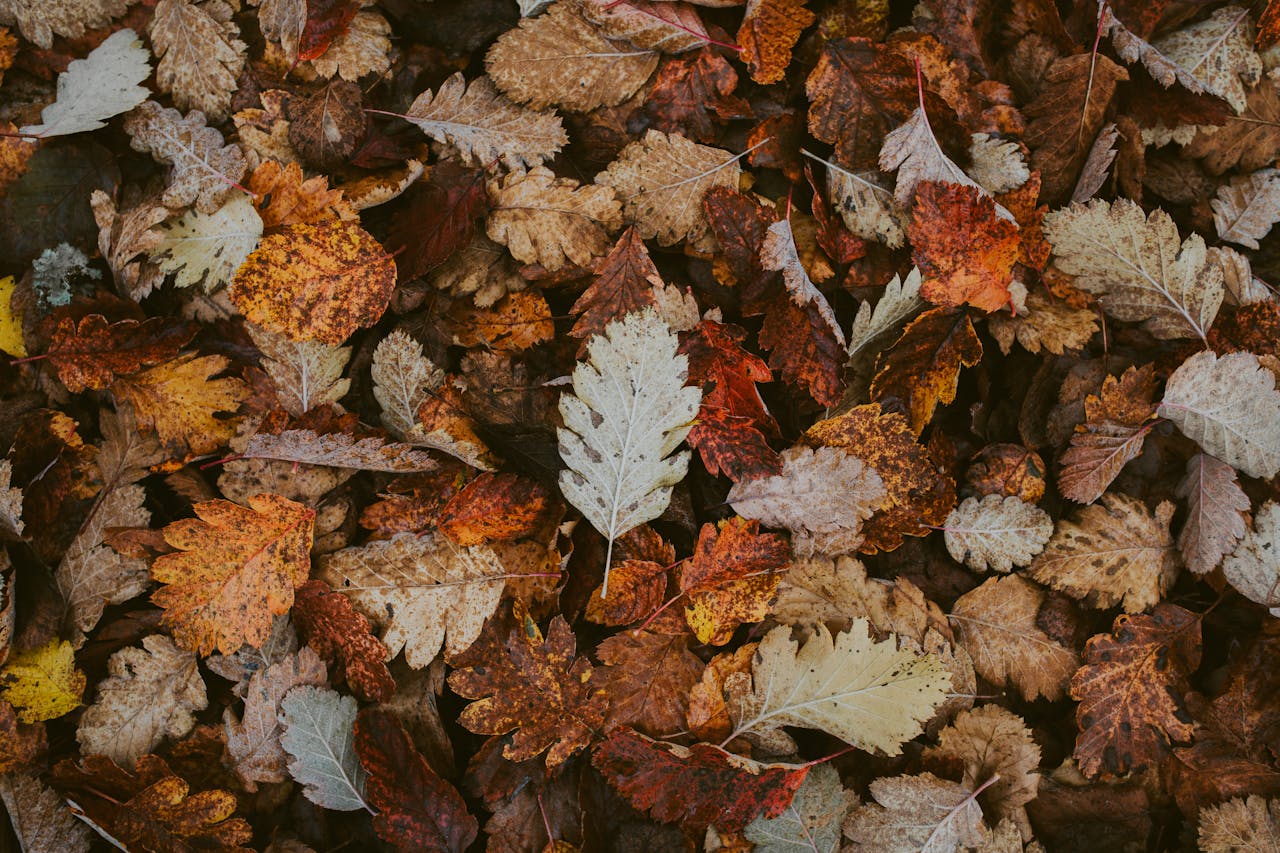
Garden centers sell bags of mulch every spring, yet one of the most powerful soil protectors often piles up for free just a few steps away from the garden bed. Leaves scatter across lawns, patios, and driveways each year, and many people treat them like a nuisance that demands rakes and yard waste bags. That approach misses a remarkable opportunity. Those same leaves can nourish soil, block weeds, and protect plant roots just as effectively as store-bought mulch. Gardeners who embrace fallen leaves unlock a resource that costs nothing, improves soil health, and reduces yard waste at the same time.
Leaves bring more than convenience. They deliver real benefits that rival traditional mulch options like bark, wood chips, or straw. With the right approach, a layer of leaves can transform tired garden beds into thriving ecosystems full of earthworms, healthy microbes, and resilient plants.
The Hidden Power Lying on the Lawn
Autumn leaves contain nutrients that trees spent an entire growing season collecting from sunlight, water, and soil minerals. When those leaves fall and break down, they return those nutrients to the ground. That process mirrors nature’s original system for building rich forest soil. A blanket of leaves protects soil from harsh weather in the same way traditional mulch does. Sunlight loses its ability to dry out garden beds quickly when leaves cover the surface, and wind struggles to carry away moisture. Plants benefit from steadier soil temperatures, which reduces stress on roots during both hot and cool seasons.
Leaves also support the underground community that keeps gardens alive. Earthworms, fungi, and beneficial microbes feast on decomposing leaf material. Those organisms break the leaves into organic matter that loosens compacted soil and improves drainage. Healthier soil structure allows roots to spread more easily and absorb nutrients more efficiently.
Why Leaves Compete With Traditional Mulch
Bark mulch dominates garden beds across neighborhoods because it looks tidy and lasts for months. However, leaves offer several advantages that bark mulch simply cannot match. Leaves break down much faster than wood products, and that quick decomposition feeds the soil with organic matter. Wood chips and bark often pull nitrogen from the soil while microbes break them down, which can temporarily limit nutrients available to plants. Leaves avoid that problem because they decompose more gently and blend easily into the soil.
Weed control also improves with the right leaf layer. A thick covering blocks sunlight from reaching weed seeds that wait in the soil. Without light, those seeds struggle to sprout. Shredded leaves work especially well because they knit together into a loose mat that still allows air and water to pass through.
Leaves also solve a problem that frustrates many gardeners each fall. Instead of bagging yard waste and sending it away, the yard itself becomes a recycling system. Nutrients remain on site, soil improves year after year, and garden beds grow richer without constant store trips.
The Simple Trick That Makes Leaves Work Even Better
Whole leaves can create a dense layer that sheds water or clumps together after rain. That issue disappears quickly with a little preparation. A lawn mower offers one of the easiest solutions. Running over a pile of leaves shreds them into smaller pieces that spread evenly across garden beds. Those fragments settle into a fluffy layer that allows water to soak through while still blocking weeds.
Shredded leaves also break down faster. Microbes and earthworms gain easier access to the material, which speeds up the transformation into nutrient-rich humus. Garden beds benefit from steady improvement throughout the season. A layer between two and four inches usually delivers the best results. That thickness suppresses weeds, protects moisture, and still allows air circulation around plant stems. Gardeners who spread leaves too thin lose many of those benefits, while extremely thick piles may smother small plants.
Leaves Create Healthier Soil Over Time
Many gardeners focus on immediate results, yet soil improvement happens through long-term habits. Leaves excel in this role because they gradually transform soil structure year after year. As leaves decompose, they create organic matter that loosens heavy soil and improves water movement. Clay soil becomes easier to work and less prone to puddling after rain. Sandy soil gains better moisture retention and stronger nutrient storage.
This organic matter also fuels microbial life. Healthy soil contains billions of microorganisms that convert nutrients into forms plants can absorb. Leaves act like a buffet for those microbes, encouraging a thriving underground ecosystem. Plants respond to that improved environment with stronger growth. Roots travel more freely, moisture stays available longer, and nutrient cycles operate more efficiently. Over several seasons, garden beds that receive regular leaf mulch often become darker, richer, and far more productive.
Smart Ways to Use Leaves Beyond Garden Beds
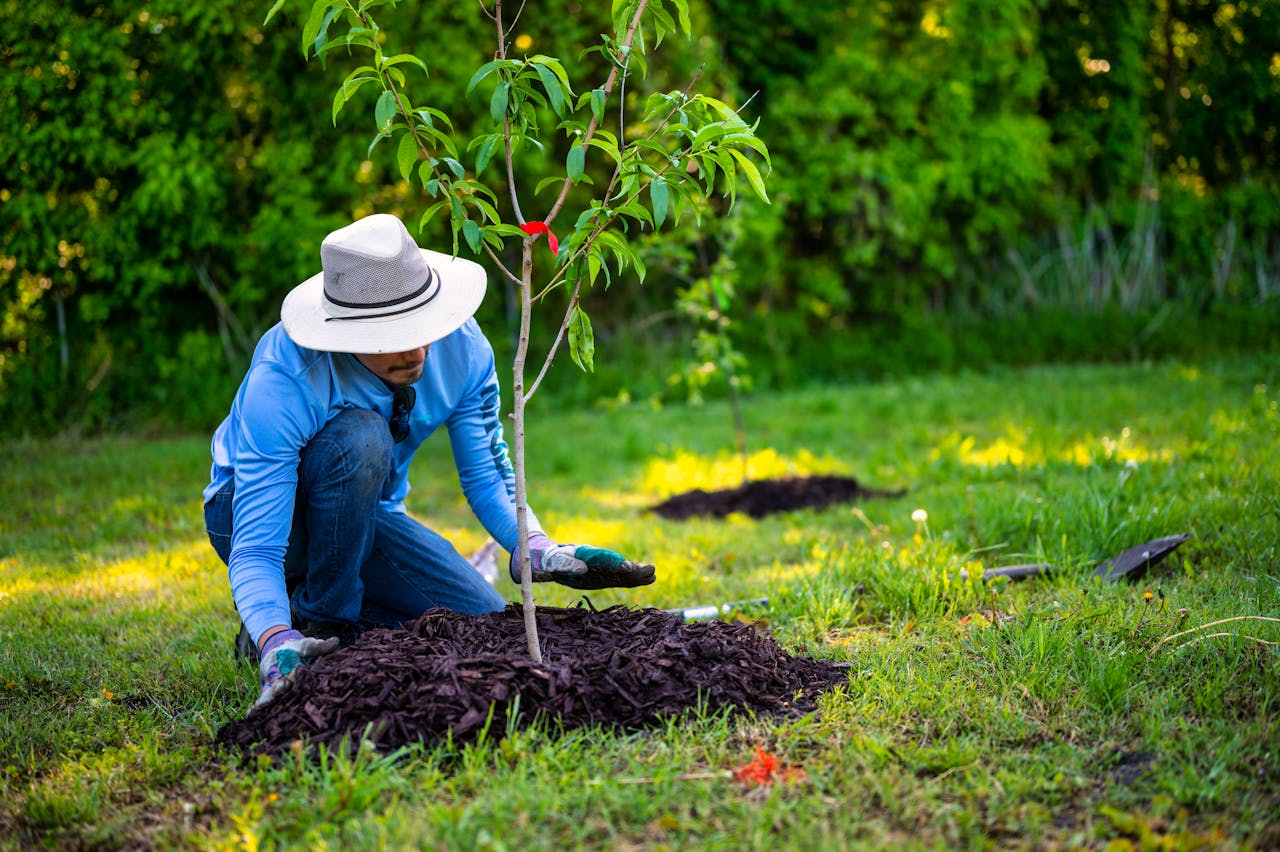
Leaves support more than vegetable patches and flower beds. Creative gardeners find multiple ways to use them throughout the yard. A compost pile benefits tremendously from shredded leaves. Compost requires a balance between green materials like food scraps and brown materials like dried leaves. Leaves provide carbon that helps compost break down properly while preventing unpleasant odors.
Leaves also protect delicate perennials during winter. A thick layer placed over dormant plants shields roots from sudden temperature swings and harsh cold. Many plants emerge stronger in spring after spending winter beneath a protective blanket of leaves.
Some gardeners even use leaves to improve lawn health. A quick pass with a mower chops leaves into tiny pieces that settle between grass blades. Those fragments break down quickly and feed the lawn naturally without smothering the grass. Every yard produces a valuable resource each fall. A shift in perspective turns that pile of leaves from yard work into garden gold.
The Backyard Resource That Changes Everything
Mulch plays a vital role in healthy gardening, yet the best option might sit right under the nearest tree. Fallen leaves protect soil, feed beneficial organisms, reduce weeds, and improve soil structure all at once. Few gardening tools offer that many benefits while demanding so little effort.
Gardeners who replace bagged mulch with shredded leaves often notice healthier plants and richer soil within just a few seasons. The yard becomes a self-sustaining system where nutrients cycle naturally instead of being left in waste bags.
Next time leaves cover the lawn, consider a different approach. What changes might appear in your garden if your leaves worked as mulch instead? Let’s chat about it below!
You May Also Like…
Why Many Gardeners Wait Until Mid-March to Buy Mulch
11 Ways to Stop Mice From Nesting in Mulch
Why Many Gardeners Start Mulching Before April
9 Backyard Bugs That Can Damage Plants Before Summer
The Garden Feature That Attracts Coyotes to Suburban Backyards

Brandon Marcus is a staff writer for FrugalGardening.com at District Media, Inc., where he delivers practical gardening advice with a relatable, no-nonsense style. An avid amateur gardener, he holds a BA degree and with over ten years of professional writing experience, he is also an award-winning published author whose first book, Questions For Deep Thinkers, was released by Adams Media. His work has appeared in major publications including Fandom.com, CHUD.com, TheColdWire.com, and Fansided.com.
Leave a Reply