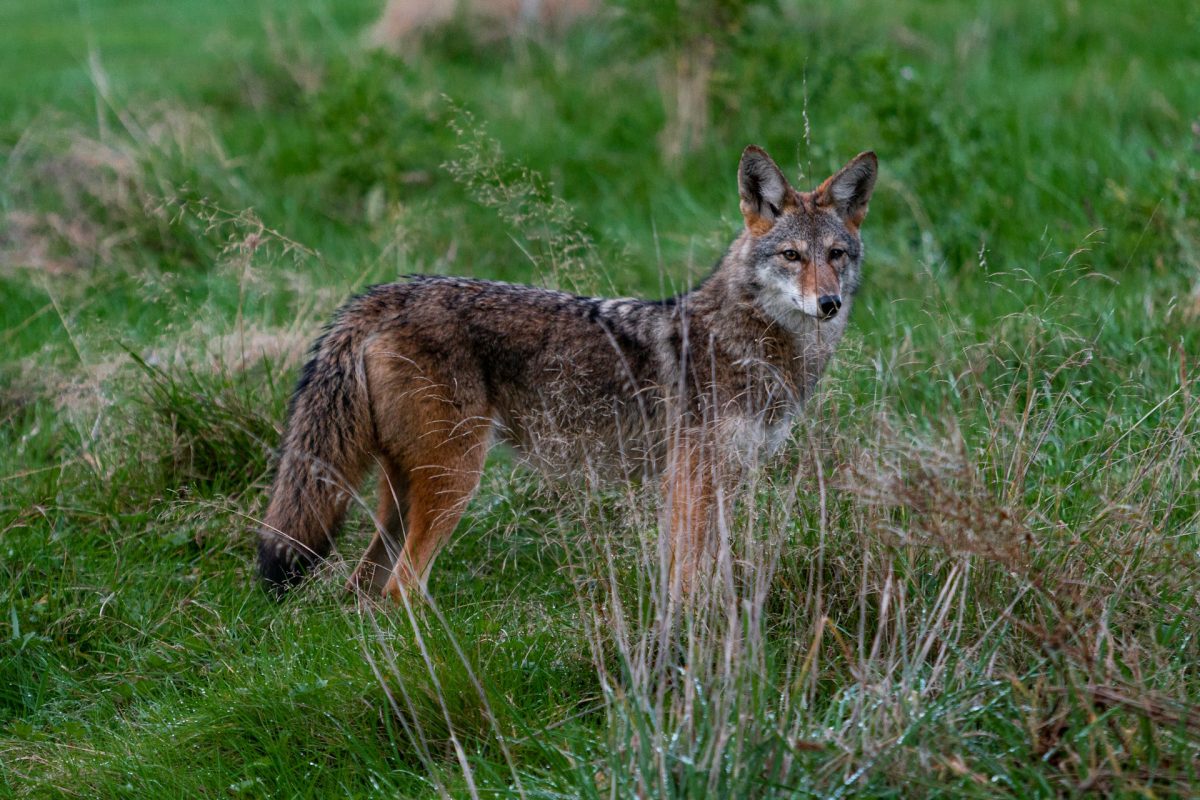
A backyard pond can turn a tidy lawn into a postcard. It glimmers in the sun, reflects string lights at night, and gives birds a place to splash around on warm afternoons. It also sends a clear signal to one of the most adaptable predators in North America: dinner and drinks are available.
Coyotes now roam deep into suburban neighborhoods across the United States, from the edges of sprawling cities to quiet cul-de-sacs lined with manicured hedges. People often blame overflowing trash cans or pet food left on the porch, and those factors absolutely matter. Yet one garden feature quietly pulls coyotes closer than many homeowners realize: a steady, accessible source of water.
A Water Source in a Thirsty Landscape
Coyotes need water every day, just like any other mammal. In rural areas, they rely on streams, ponds, irrigation ditches, and natural wetlands. In suburban neighborhoods, however, development often replaces those natural water sources with pavement and rooftops. When that happens, a decorative pond, bubbling fountain, or even a regularly filled birdbath can stand out like a neon sign.
Wildlife biologists have long noted that coyotes thrive in cities because they adapt quickly and exploit available resources. Studies from urban areas such as Chicago and Los Angeles show that coyotes establish territories in densely populated regions as long as they can find food, cover, and water. Many suburban yards offer all three without anyone intending to host them.
A backyard pond stocked with fish does more than provide a drink. It creates a small ecosystem that attracts frogs, insects, and rodents. That lively scene turns into a buffet. Even a simple water feature without fish can lure prey species, and coyotes follow prey with laser focus. When a yard provides hydration and hunting opportunities, a coyote may start including that property in its nightly route.
Homeowners often install water features to create tranquility, but wildlife interprets them differently. To a coyote, a pond represents survival made easy. When several homes on the same block add fountains or small pools, the entire neighborhood becomes more appealing territory.
More Than Just Trash: The Hidden Draw
Garbage still ranks high on the list of coyote attractions, and unsecured trash cans practically guarantee a visit. Yet many suburban residents tighten trash lids and still spot a coyote trotting along a fence line. Water often explains that lingering presence.
During hot, dry months, especially in regions prone to drought, natural water sources shrink or disappear. Lawns, however, stay green thanks to irrigation systems. Sprinklers create puddles, and decorative ponds hold water long after nearby creeks dry up. Coyotes notice those patterns quickly.
They also remember safe routes. If a coyote drinks from a backyard pond without encountering threats, it will likely return. Over time, that routine builds familiarity, and familiarity reduces fear. Experts from state wildlife agencies consistently emphasize that coyotes lose their natural wariness when people unintentionally reward them with resources.
The situation grows more complicated when pets enter the picture. Small dogs and outdoor cats often spend time near water features. A pond that attracts rodents and rabbits also draws predators that hunt them. That combination increases the risk of negative encounters.
Reducing food sources matters, but ignoring water leaves a critical gap in prevention efforts. A yard that eliminates accessible water sends a clear message that the property does not support wildlife.
Fish Ponds: A Gourmet Invitation
A decorative koi pond elevates a backyard into something special. Colorful fish glide beneath lily pads, and the gentle sound of moving water softens the edges of suburban life. Coyotes see something else entirely: protein that cannot run very far.
Koi and goldfish swim near the surface, especially during feeding times. At night, they rest in predictable spots. Coyotes hunt primarily after dark, and they rely on keen hearing and smell to locate prey. A shallow pond with easy access gives them a simple hunting opportunity.
Wildlife agencies across the country report cases of coyotes taking fish from ornamental ponds. The animals do not need to drain the pond to cause damage. A single successful hunt encourages repeat visits. When a coyote discovers fish in one yard, it may explore nearby properties for similar setups.
Homeowners who love their ponds do not need to tear them out. They can install protective netting, motion-activated lights, or fencing that limits access. They can also design ponds with steeper sides and deeper centers, which make it harder for predators to wade in. These adjustments reduce the chance that a curious coyote turns a tranquil water feature into a feeding ground.
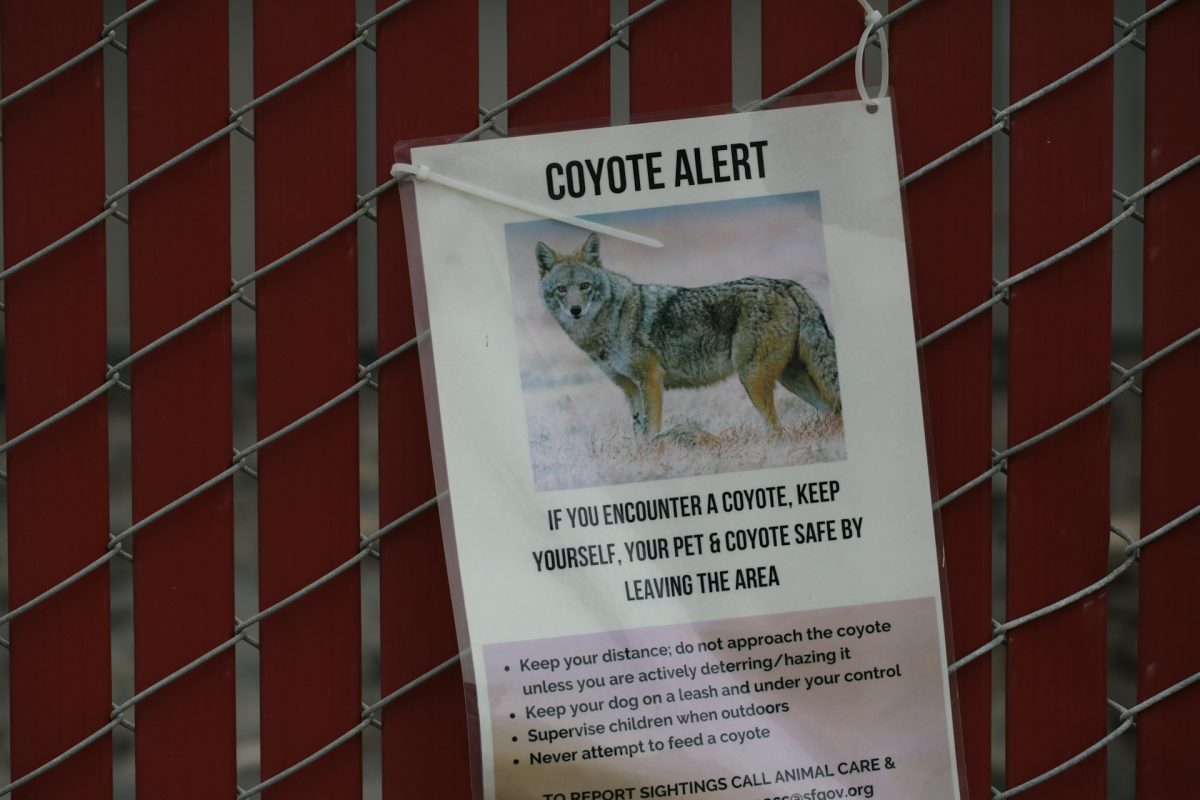
Coyotes Thrive Near People
Coyotes have expanded their range dramatically over the last century, and they now live in nearly every state in the continental United States. They succeed because they adapt. They adjust their diet, shift their activity patterns, and navigate human environments with surprising skill.
In cities like Denver and Phoenix, researchers track coyotes that travel through parks, golf courses, and residential neighborhoods. These animals often avoid direct contact with people, but they do not hesitate to use human-made resources. A backyard pond fits neatly into that category.
People sometimes panic when they see a coyote, yet most coyotes pose little threat if humans do not feed or corner them. Problems usually arise when animals lose fear and start associating homes with easy meals. Water features contribute to that association when they combine with other attractants.
Communities that address coyote activity effectively focus on education. They encourage residents to secure trash, supervise pets, remove fallen fruit, and eliminate standing water when possible. When neighborhoods act together, coyotes often move on to areas with fewer rewards.
Smart Changes That Protect Your Yard
A water feature does not have to become a coyote magnet. Homeowners can take practical steps that protect both their landscaping investment and local wildlife. Start by evaluating access points. A low fence with gaps underneath invites exploration. Reinforcing fencing and eliminating crawl spaces beneath decks reduces the likelihood that a coyote will wander in. Motion-activated lighting can also discourage nighttime visits, especially when combined with noise devices.
Consider water management. Empty and refill birdbaths in the morning rather than leaving them full overnight. Adjust sprinkler schedules to avoid creating predictable puddles after dark. If a pond remains central to the yard’s design, add netting or install a perimeter barrier that prevents easy entry.
Pet safety deserves special attention. Keep cats indoors, and supervise small dogs when they go outside, particularly at dawn and dusk when coyotes hunt most actively. Feeding pets indoors eliminates another attractant that often sits just steps away from a pond.
Finally, practice hazing if a coyote appears too comfortable. Wildlife experts recommend making loud noises, waving arms, and asserting presence to reinforce a coyote’s natural caution. Consistent hazing teaches coyotes that close contact with people brings discomfort, not rewards.
When Beauty and Responsibility Meet
A backyard should feel like a refuge, not a battleground with wildlife. Water features bring undeniable charm, and they support birds and pollinators that enrich daily life. At the same time, they alter the landscape in ways that wild animals quickly recognize.
Understanding that connection empowers homeowners to act wisely. Removing or modifying water sources during dry seasons, protecting fish ponds, and eliminating other attractants can shift the balance. These steps do not harm coyotes; they simply encourage them to rely on natural habitats instead of suburban yards.
What changes would make a backyard feel both welcoming and secure in a neighborhood where coyotes roam? Let’s talk about our yards in the comments.
You May Also Like…
Why Some Residents Are Being Fined for Growing Vegetables in the Front Yard
South Carolina Bans This Once‑Beloved Tree—Homeowners Urged to Check Their Yards
Why Some Cities Are Cracking Down on Front Yard Vegetable Gardens Again
New HOA Crackdowns Are Targeting Backyard Gardens in 2026
Vets Issue New Alert: “Pet-Safe” Fertilizers Are Sending Dogs to the ER

Brandon Marcus is a staff writer for FrugalGardening.com at District Media, Inc., where he delivers practical gardening advice with a relatable, no-nonsense style. An avid amateur gardener, he holds a BA degree and with over ten years of professional writing experience, he is also an award-winning published author whose first book, Questions For Deep Thinkers, was released by Adams Media. His work has appeared in major publications including Fandom.com, CHUD.com, TheColdWire.com, and Fansided.com.
Leave a Reply