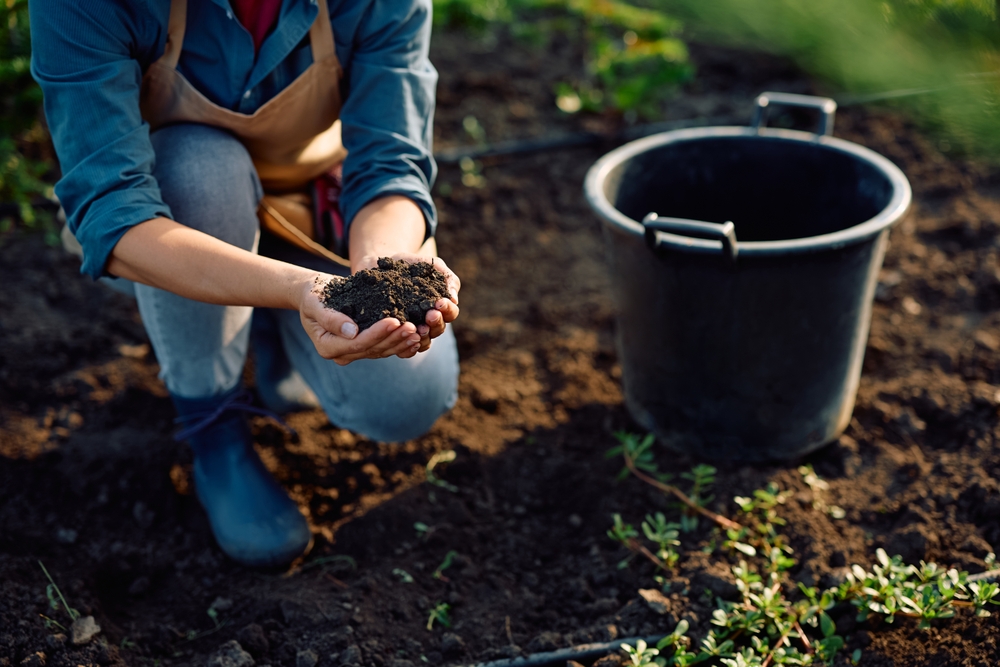
January gardening can feel bold, hopeful, and just a little rebellious. While frost glitters on the ground, it’s tempting to “get ahead” by amending soil and setting the stage for spring. That urge is understandable—and risky. Cold, often frozen soil behaves very differently than warm earth, and certain soil additives can do more harm than good when winter is in charge.
Experts consistently caution that timing matters just as much as what you add, especially in the heart of winter. Before tossing anything onto your beds, here are six soil additives that can backfire badly in January.
1. Fresh Manure
Fresh manure tops the winter danger list for good reason. In cold weather, soil microbes that normally help break it down slow to a crawl, leaving raw nutrients sitting uselessly—or worse, washing away. Nitrogen from fresh manure can leach into groundwater during snowmelt or heavy winter rains, creating environmental problems. There’s also a real risk of burning plant roots if a warm spell suddenly wakes dormant plants.
Pathogens present in fresh manure survive longer in cold conditions, which raises food safety concerns for edible gardens. Most experts agree manure should be well-composted and applied when soil biology is active, not frozen and asleep. January simply isn’t the moment for it.
2. High-Nitrogen Synthetic Fertilizers
Those bright bags promising explosive growth can be misleading in winter. High-nitrogen fertilizers rely on active plant uptake, and dormant or semi-dormant plants can’t use them efficiently. In January, nitrogen often dissolves and moves with melting snow or rain, leading to runoff rather than root absorption. This wastes money and contributes to nutrient pollution in nearby waterways. Excess nitrogen can also encourage weak, premature growth if an unexpected warm spell hits. That tender growth is easily damaged when cold temperatures return. Experts stress that nitrogen-heavy products are best saved for spring, when plants can actually respond.
3. Compost Tea And Liquid Fertilizers
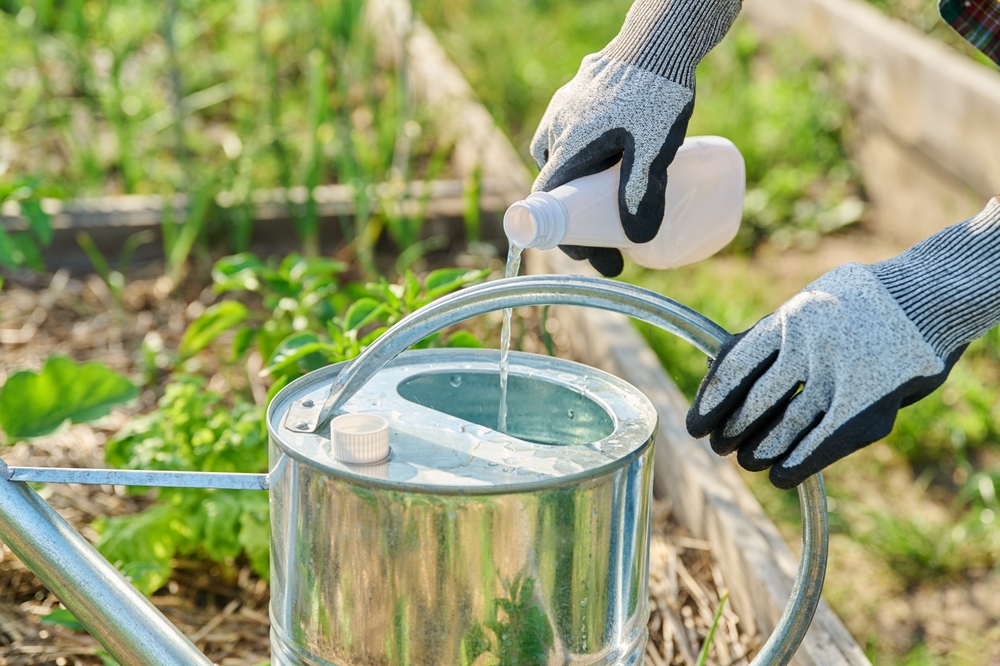
Compost tea sounds gentle and beneficial, but cold weather changes the equation. Liquid fertilizers spread nutrients quickly, which is exactly the problem in January. With low microbial activity, those nutrients aren’t stabilized in the soil and can drain away before roots ever see them. Frozen or saturated soil also prevents even absorption, increasing runoff risk.
Beneficial microbes in compost tea struggle to survive cold soil temperatures, limiting any positive effect. Garden professionals note that these products shine during active growth periods, not winter dormancy. In January, patience beats pouring.
4. Lime And Other pH Adjusters
Adjusting soil pH is important, but timing is everything. Lime works slowly, relying on moisture and microbial activity to change soil chemistry. In frozen or near-frozen ground, it sits largely inactive on the surface. Winter application increases the chance of lime washing away before it can do its job. Uneven distribution is another concern when soil can’t be worked properly.
Experts often recommend fall or early spring for pH amendments, when soil conditions allow gradual, even adjustment. January applications tend to waste material rather than improve soil.
5. Bone Meal And Rock Phosphate
Bone meal and rock phosphate are classic organic fertilizers, but they’re poorly suited to winter use. These amendments depend heavily on soil microbes to release phosphorus in a form plants can use. Cold temperatures dramatically slow that process. In January, the nutrients remain locked up, offering little benefit until months later. Surface-applied phosphorus can also be lost through erosion during snowmelt. Garden specialists suggest incorporating these materials during warmer seasons when biological activity is higher. Adding them now rarely delivers the results gardeners hope for.
6. Biochar Without Proper Preparation
Biochar has earned buzz for improving soil structure, but winter is not the time to experiment casually. Uncharged biochar can temporarily tie up nutrients as it absorbs them from the soil. In cold conditions, that nutrient imbalance can linger longer than expected.
Microbial colonization of biochar pores slows dramatically in winter, delaying its benefits. Applying it to frozen soil also makes even distribution difficult. Experts emphasize that biochar should be pre-loaded with compost or nutrients and added when soil life is active. January applications often lead to frustration instead of improvement.
Let Winter Be Winter
January gardening rewards restraint as much as enthusiasm. Cold soil isn’t broken—it’s resting. Skipping these additives now protects your soil, your plants, and your budget, while setting you up for stronger results later. Many experienced gardeners swear that waiting is one of the hardest but smartest winter skills to learn.
If you’ve had a soil amendment go wrong—or surprisingly right—in cold weather, we’d love to hear your experiences in the comments below.
You May Also Like…
7 Winter Mulches That Actually Warm Soil Instead of Chilling It
9 Raised Bed Fixes That Stop Soil From Turning to Soup
12 Ways Snow Can Protect Your Soil and When It Hurts It
6 Flowers That Bloom Reliably Even in Poor Soil
Is Composting at Home Still the Cheapest Soil Option?

Brandon Marcus is a staff writer for FrugalGardening.com at District Media, Inc., where he delivers practical gardening advice with a relatable, no-nonsense style. An avid amateur gardener, he holds a BA degree and with over ten years of professional writing experience, he is also an award-winning published author whose first book, Questions For Deep Thinkers, was released by Adams Media. His work has appeared in major publications including Fandom.com, CHUD.com, TheColdWire.com, and Fansided.com.
Leave a Reply