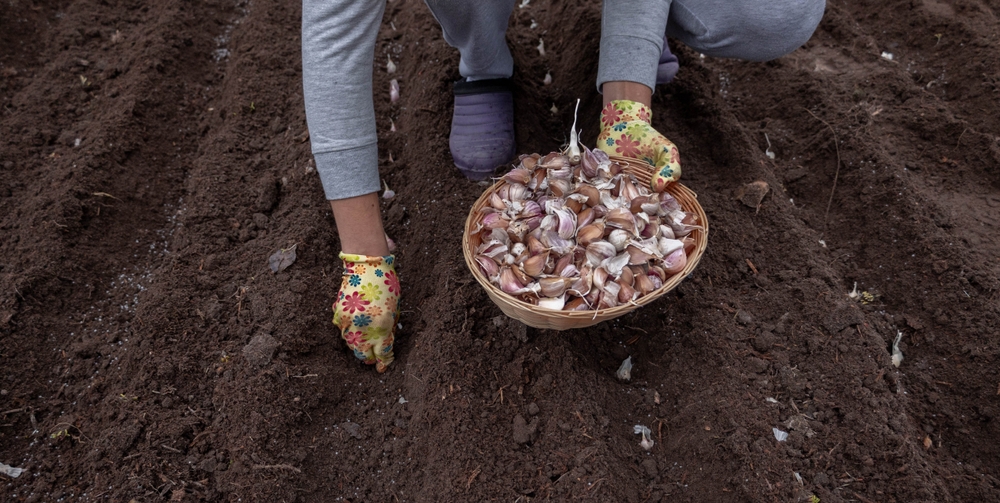
Your garlic bed is quiet. Too quiet. You planted those cloves with care, tucked them into the soil, waited patiently… and nothing happened. No green shoots. No signs of life. Just dirt staring back at you like it forgot the assignment. Before you assume total failure or start blaming the seed garlic supplier, take a breath.
Garlic is dramatic, stubborn, and oddly particular—and there’s a very specific, often-missed reason it sometimes refuses to sprout on schedule. Even better, there’s still time before February to step in and turn things around.
Garlic Needs Cold More Than You Think
Garlic isn’t lazy—it’s strategic. Most hardneck and many softneck garlic varieties require a prolonged period of cold exposure, known as vernalization, to trigger proper root and shoot development. Without enough cold, garlic cloves can just sit underground, intact and undecided, waiting for a signal that never quite arrives. This is especially common in warmer fall and early winter seasons, which have become more frequent in many regions.
If soil temperatures stay above roughly 45°F for too long, garlic may delay sprouting entirely. It’s not dead, and it’s not defective—it’s just unconvinced winter has truly arrived. The irony is that mild weather can actually slow visible growth, even though we associate warmth with plant activity. Garlic wants winter before it commits to spring.
Soil Temperature Is The Silent Culprit
Air temperature gets all the attention, but soil temperature is what garlic actually responds to. Mulch, raised beds, and south-facing garden plots can keep soil warmer than expected, sometimes by several degrees. That extra warmth can prevent garlic from switching into root-building mode, which is the first step toward sprouting. Gardeners often pile on thick mulch immediately after planting, thinking they’re protecting cloves, but this can trap heat in the soil during an unusually warm autumn. As a result, the garlic stays in limbo. The cloves aren’t rotting—they’re preserved, waiting for colder conditions that signal it’s safe to grow roots. Until that happens, no shoots appear above ground, leading to unnecessary panic.
Planting Depth And Orientation Matter More Than You Realize
Even when temperature conditions are decent, planting mistakes can delay or prevent sprouting. Garlic cloves should typically be planted two to three inches deep, with the pointed end facing up. Planting too deep can delay emergence by weeks, especially in heavy soils, while planting too shallow exposes cloves to temperature swings that confuse their growth cycle. Orientation is just as critical. A clove planted sideways or upside down can still grow, but it wastes energy correcting itself underground, slowing everything above ground. These delays often become noticeable in winter, when gardeners expect at least a hint of green before spring. What looks like dormancy may actually be a garlic clove struggling to get oriented properly.
Moisture Balance Can Stall Growth
Garlic wants moisture, but not excess water—especially before roots are established. Overly wet soil can cool unevenly, compact around the clove, and reduce oxygen availability, all of which slow root initiation. On the flip side, extremely dry soil can prevent the clove from sensing favorable conditions to grow at all. Fall droughts followed by light watering can create inconsistent moisture zones that confuse developing cloves.
Garlic is remarkably resilient, but it does expect relatively even soil moisture during its early underground phase. Without it, sprouting can be delayed until conditions stabilize, which sometimes doesn’t happen until late winter.
What You Can Still Do Before February
The window for intervention hasn’t closed. If you suspect your soil stayed too warm, gently pull back heavy mulch to allow colder air to penetrate the soil surface. This can help drop soil temperatures naturally during winter cold snaps. Avoid digging up cloves unless you suspect rot, as disturbing them can set growth back further. If your region hasn’t experienced sufficient cold, consider lightly watering during colder periods, which helps soil conduct cold more effectively. Resist the urge to fertilize right now—garlic doesn’t need nutrients until active growth resumes. The goal before February is not growth, but readiness. You’re helping the garlic receive the winter signal it’s been waiting for.
When Late Sprouting Is Actually Normal
It’s worth saying this clearly: garlic does not have a universal sprouting schedule. In some climates, especially colder ones, garlic may not show green growth until very late winter or even early spring. Underground, however, roots may already be forming, setting the stage for rapid growth once days lengthen.
Gardeners accustomed to fall sprouts may assume something is wrong when nothing appears, but many successful garlic crops start quietly. Patience is not neglect here—it’s trust in the plant’s long game. As long as the cloves are firm and not decaying, delayed sprouting is often just part of garlic’s rhythm.
A Final Word On Garlic Patience
Garlic rewards calm gardeners. It thrives when given time, cold, and consistency, not constant interference. If your garlic hasn’t sprouted yet, it’s likely responding exactly as evolution intended—even if that response feels maddening. By understanding the role of cold, soil temperature, planting technique, and moisture, you’re already ahead of most gardeners staring at bare beds in January. Before February arrives, small adjustments can make a real difference. And sometimes, the best move is simply letting winter do its job.
Let’s Talk Garlic
Garlic growing rarely goes exactly as planned, and that’s part of what makes it interesting. Whether your cloves popped up early, waited until spring, or kept you guessing all season, those experiences matter.
Drop your thoughts, lessons learned, or unexpected garlic moments in the comments below—your story might be exactly what another gardener needs to hear.
You May Also Like…
The Garlic Planting Trick Most Gardeners Don’t Know
Why Garlic and Shallots Thrive When Planted Now
Knowing When to Harvest Garlic and Potatoes
11 Cold-Weather Crops You Can Still Grow Under a Simple Cover
7 Winter Mulches That Actually Warm Soil Instead of Chilling It

Brandon Marcus is a staff writer for FrugalGardening.com at District Media, Inc., where he delivers practical gardening advice with a relatable, no-nonsense style. An avid amateur gardener, he holds a BA degree and with over ten years of professional writing experience, he is also an award-winning published author whose first book, Questions For Deep Thinkers, was released by Adams Media. His work has appeared in major publications including Fandom.com, CHUD.com, TheColdWire.com, and Fansided.com.
Leave a Reply