Rock-hard dirt. Patchy grass. A garden bed that looks like it lost a long-term argument with nature. If this sounds familiar, don’t worry—you’re not doomed to a yard of bare earth and broken dreams. Some flowers absolutely thrive on neglect, laugh at lousy soil, and bloom their hearts out anyway.
These are the botanical rebels that prove beauty doesn’t require perfection, fancy compost, or endless fussing. Get ready to meet six dependable bloomers that turn tough ground into a colorful victory parade.
1. Black-Eyed Susan
Black-eyed Susans are the definition of cheerful toughness. Their golden-yellow petals and dark centers look like they belong in a glossy magazine, yet they grow happily in soil that barely qualifies as soil. These native North American wildflowers have deep roots that help them tolerate dryness, poor nutrition, and summer heat.
Once established, they come back year after year with almost no encouragement. Pollinators adore them, especially bees and butterflies looking for reliable nectar sources. Plant them in full sun, step back, and enjoy a long season of sunny blooms that seem to grin at adversity.
2. Purple Coneflower
Purple coneflower brings a bold, upright beauty that hides a seriously resilient personality. This prairie native evolved in tough conditions, which means sandy, rocky, or depleted soil barely fazes it. Its large daisy-like blooms appear in early summer and keep going well into fall. Coneflowers are drought-tolerant once established and don’t demand rich amendments or constant watering. Birds, especially goldfinches, love the seed heads later in the season, adding extra garden drama. If you want a flower that looks elegant while acting practically indestructible, this one delivers.
3. Blanket Flower
Blanket flower bursts onto the scene with fiery reds, oranges, and yellows that look like a sunset exploded across your garden bed. It thrives in poor, well-drained soil and actually dislikes overly rich conditions. Too much fertility can lead to leggy plants and fewer blooms, so tough soil is a bonus here. Blanket flower handles heat like a champion and keeps blooming even during dry spells. Deadheading encourages more flowers, but it will still perform respectably if you forget. This is an ideal choice for gardeners who want nonstop color without babying their plants.
4. Yarrow
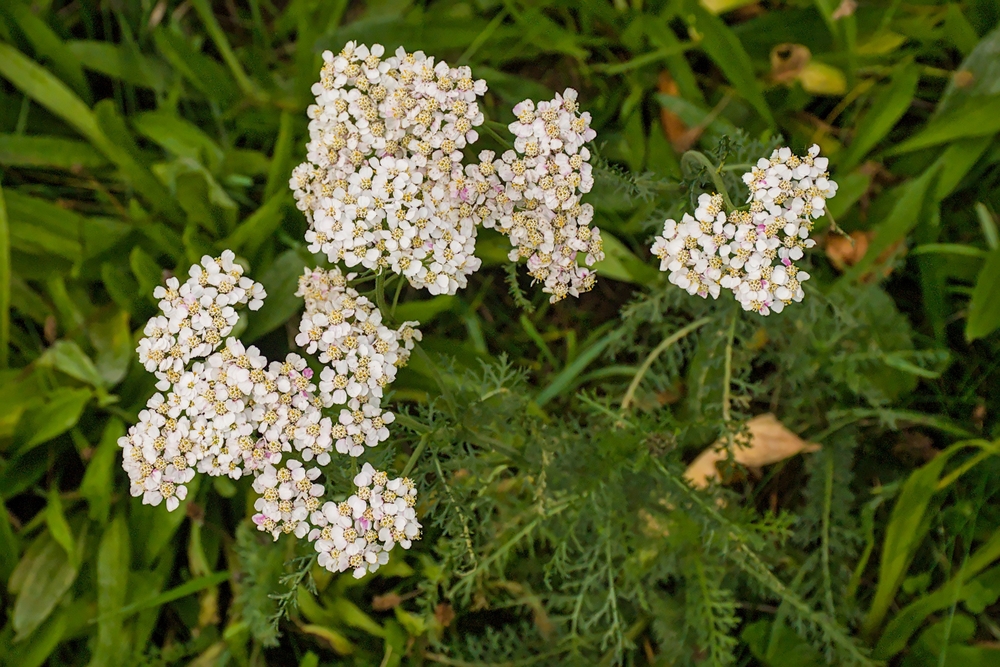
Yarrow is a quiet powerhouse with fern-like foliage and flat-topped clusters of tiny flowers. It grows in soil so poor that many other plants would simply give up. Yarrow prefers full sun and dry conditions, making it perfect for problem areas and low-maintenance landscapes. Its flowers come in shades of white, yellow, pink, and red, offering surprising variety. Beyond its looks, yarrow attracts beneficial insects and has a long history of medicinal use. Once planted, it spreads steadily, filling gaps with confidence and calm persistence.
5. Coreopsis
Coreopsis, often called tickseed, is pure joy in plant form. Its bright yellow, pink, or red blooms dance above fine-textured foliage from early summer into fall. This flower thrives in lean soil and actually produces more blooms when not overfed. Coreopsis tolerates heat, drought, and neglect with impressive grace. Many varieties reseed themselves, creating a natural, meadow-like look over time. If your soil is stubborn and your patience is limited, coreopsis is ready to perform without complaints.
6. California Poppy
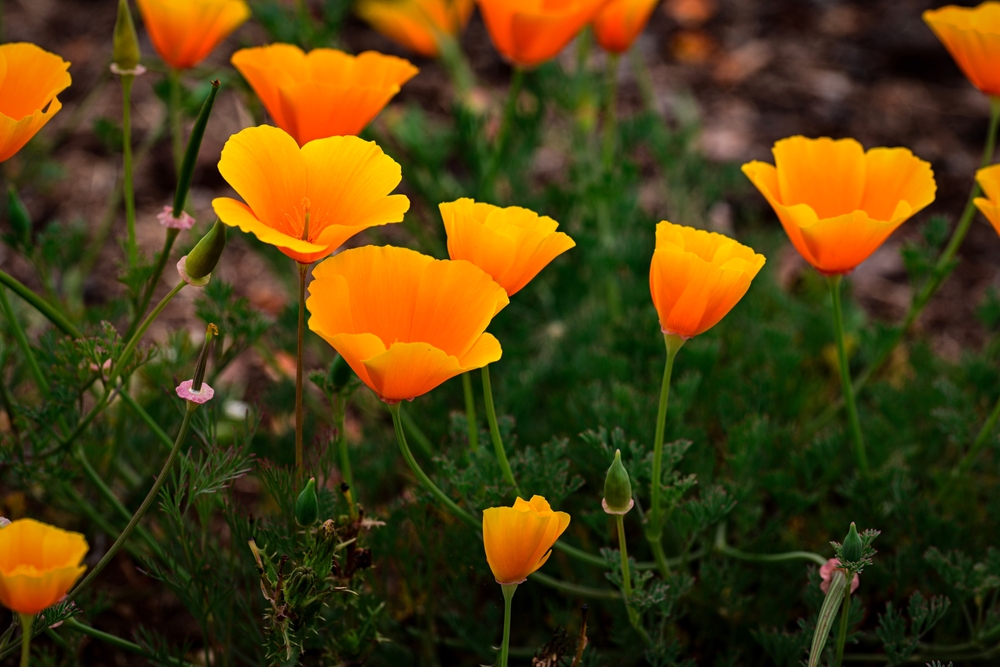
California poppies bring silky, cup-shaped flowers that glow in shades of orange, yellow, and cream. They flourish in sandy or rocky soil where other plants struggle to get established. These poppies prefer full sun and minimal watering, making them ideal for dry, challenging areas. Once planted, they often self-sow, returning each year with minimal effort. Their delicate appearance is misleading, because they’re remarkably tough and adaptable. When they open in the sunlight and close at night, they add a touch of daily magic to even the roughest ground.
Beauty That Refuses To Quit
Gardening doesn’t require perfect soil, expensive amendments, or endless labor to be rewarding. These six flowers prove that resilience and beauty often go hand in hand, especially when conditions are less than ideal. With the right plant choices, even neglected patches can become vibrant, buzzing spaces full of life.
If you’ve had success with tough-as-nails flowers or learned lessons the hard way, drop your thoughts or stories in the comments below and join the conversation.
You May Also Like…
6 Gorgeous Flowers You Can Grow In Winter
Is Composting at Home Still the Cheapest Soil Option?
6 Annuals That Don’t Need Expensive Soil Mixes
Why You Should Rethink Tilling Your Soil This Year
10 Flowers That Come Back Every Year Without Extra Spending

Brandon Marcus is a staff writer for FrugalGardening.com at District Media, Inc., where he delivers practical gardening advice with a relatable, no-nonsense style. An avid amateur gardener, he holds a BA degree and with over ten years of professional writing experience, he is also an award-winning published author whose first book, Questions For Deep Thinkers, was released by Adams Media. His work has appeared in major publications including Fandom.com, CHUD.com, TheColdWire.com, and Fansided.com.
Leave a Reply