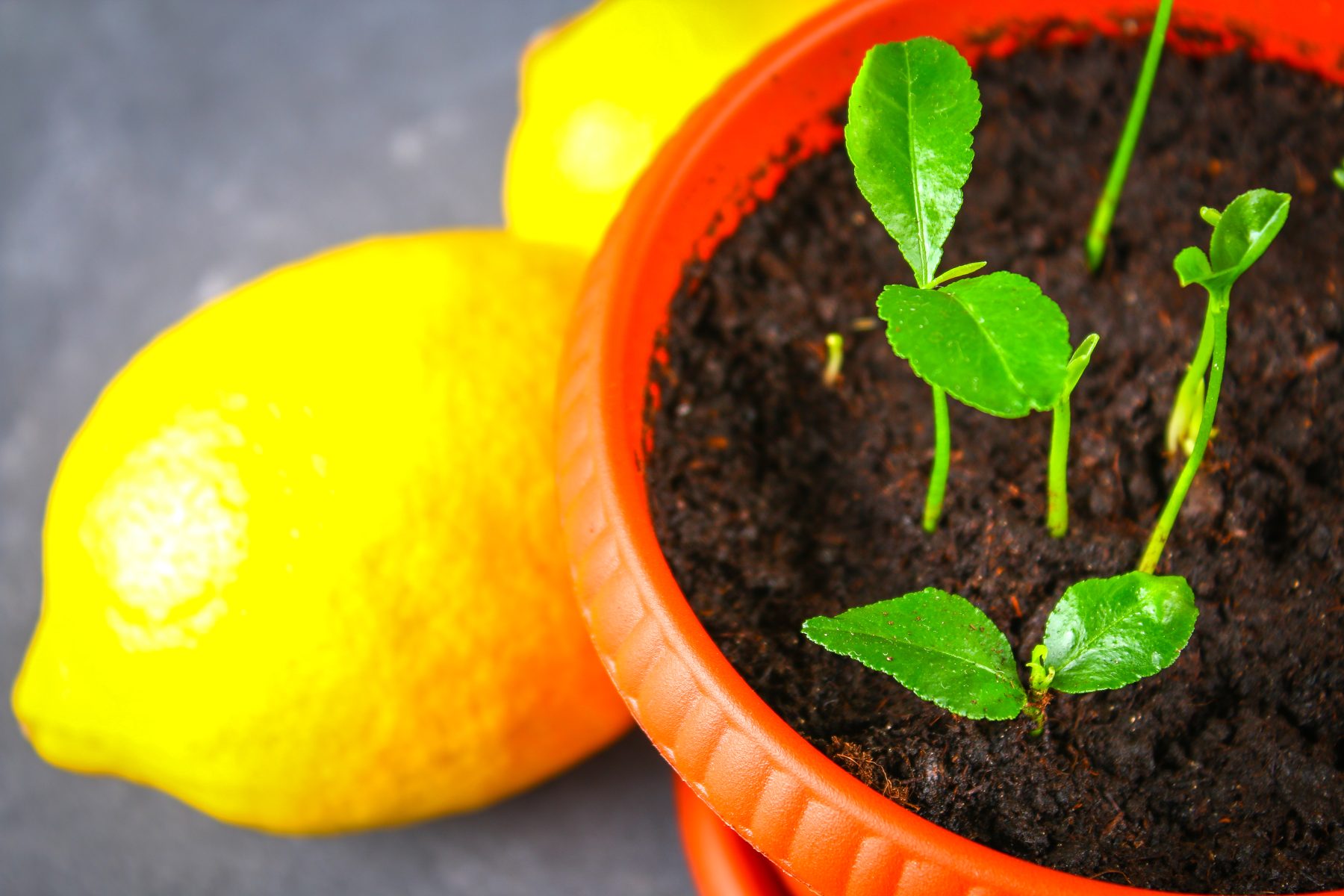
You slice open a lemon from the grocery store, squeeze the juice into your water, and notice several plump seeds left behind. Instead of tossing them into the trash, you start wondering whether those seeds could grow into an actual lemon tree. After all, if a single lemon costs less than a dollar, wouldn’t growing your own tree be one of the cheapest gardening projects imaginable?
The surprising answer is yes: Many grocery store lemon seeds can germinate and eventually grow into attractive citrus trees.
However, growing a lemon tree from seed isn’t quite the same as growing tomatoes or peppers. Your new tree may take years to produce fruit, and the lemons might not look or taste exactly like the original.
Before planting those leftover seeds, here’s what to expect, how to improve your chances of success, and whether growing lemon trees from seeds can actually save you money.
Grocery Store Lemon Seeds Can Actually Sprout
Those small seeds inside a supermarket lemon are often capable of producing healthy seedlings when given the right conditions. Unlike some fruits that are harvested before their seeds mature, commercially sold lemons generally contain seeds that may already be developed enough to germinate. However, not every lemon contains viable seeds, and some varieties produce very few seeds or none at all. Citrus can be propagated from seed, although commercial growers typically rely on grafting to produce more predictable trees. If you’re interested in growing lemon trees from seeds, selecting several plump, undamaged seeds gives you more opportunities for successful germination.
You Can Start the Seeds With Basic Household Supplies
Starting a lemon seed doesn’t require an expensive gardening kit or specialized equipment. Begin by rinsing fresh seeds to remove the sticky fruit pulp, then plant them approximately half an inch deep in a small container filled with moist, well-draining potting mix. Place the container somewhere warm, preferably around 70 to 85 degrees Fahrenheit, and keep the soil consistently moist without leaving it waterlogged. Under favorable conditions, viable citrus seeds may begin germinating within a few weeks, although some take longer depending on temperature and seed condition. Using a recycled nursery pot with drainage holes can make growing lemon trees from seeds an inexpensive experiment for gardeners who already have potting soil available.
Your Lemon Tree Might Not Produce the Same Fruit
One of the biggest surprises about growing citrus from seed is that the resulting tree isn’t always identical to its parent. Citrus genetics can be complicated, and some lemon varieties produce multiple seedlings from one seed through a process known as polyembryony. Certain seedlings may be genetically similar to the parent, while others can result from sexual reproduction and have different characteristics. Citrus propagation methods influence whether new trees reliably reproduce a particular variety’s characteristics. That means growing lemon trees from seeds can produce healthy plants, but you shouldn’t automatically expect the same fruit quality, size, or productivity as the grocery store lemon.
You Could Wait Years Before Seeing Your First Lemon
If you’re hoping to harvest fresh lemons next summer, growing a tree from seed probably isn’t the fastest approach. Seed-grown citrus trees pass through a juvenile stage before they become mature enough to flower and produce fruit. Depending on the variety and growing conditions, that process can take several years and sometimes considerably longer. By comparison, grafted citrus trees purchased from nurseries are generally propagated from mature fruiting wood and may begin producing much sooner. Anyone considering growing lemon trees from seeds should treat the project as a long-term gardening experiment rather than an immediate solution to rising grocery prices.
Your Seedling Will Need More Than a Sunny Windowsill
Once your lemon seed sprouts, the small seedling will need adequate light, water, nutrients, and room for its roots to develop. Citrus trees generally perform best with plenty of direct sunlight, and indoor plants may need supplemental grow lights when natural light is insufficient. The University of Minnesota Extension recommends bright light, suitable potting conditions, and careful watering when growing citrus indoors. Overwatering can damage roots, while insufficient sunlight may lead to weak, stretched growth and poor long-term development. As your seedling gets larger, gradually moving it into appropriately sized containers can support healthier growth without spending money on oversized pots too early.
Cold Weather Can Quickly Damage a Young Lemon Tree
Lemon trees thrive in warm conditions, making winter temperatures one of the biggest challenges for gardeners outside citrus-growing regions. Young citrus plants are particularly vulnerable to freezing temperatures, and even established lemon trees can suffer damage during cold weather. Gardeners in cooler climates will usually need to grow their seedlings in containers and bring them indoors before freezing conditions arrive. Indoor citrus growing requires attention to light, humidity, and seasonal environmental changes. Before investing years in growing lemon trees from seeds, consider whether you have enough indoor space and sunlight to protect a potentially large plant through winter.
Growing Your Own Lemons Isn’t Necessarily Cheaper
A free seed might sound like the ultimate money-saving gardening opportunity, but maintaining a lemon tree can involve ongoing expenses. Potting mix, containers, fertilizer, water, pest management, and supplemental lighting can add up over several growing seasons. For example, spending $30 on supplies for a tree that doesn’t produce fruit for years may cost more than purchasing lemons occasionally at the supermarket. However, gardeners who already own containers, soil, and suitable growing space can experiment with citrus seedlings for relatively little additional money. The real financial value of growing lemon trees from seeds depends on whether you enjoy the process itself or expect the tree to eventually replace your grocery store purchases.
A Free Lemon Seed Could Become a Surprisingly Rewarding Project
Planting a grocery store lemon seed is an inexpensive way to explore citrus gardening, even if you never harvest a single lemon. The seed may develop into an attractive evergreen plant with glossy leaves, making it a worthwhile addition to a sunny indoor gardening collection. Success requires patience, consistent care, adequate sunlight, and realistic expectations about how long fruit production may take. If your primary goal is harvesting lemons quickly, purchasing a healthy grafted tree from a reputable nursery is usually a more practical option. But if you’re curious about growing lemon trees from seeds, saving a few seeds from your next grocery trip could be the beginning of an enjoyable gardening experiment.
Have you ever planted seeds from a grocery store lemon or another citrus fruit? Did your plant eventually produce fruit, or are you still waiting for your first harvest? Share your experiences in the comments.
What to Read Next
We Compared Grocery Store Prices With Seed Costs — These 7 Crops Look Like Better Deals
Can You Really Grow Lettuce From Grocery Store Scraps? Here’s What the Viral TikTok Hack Gets Right
Should You Save Seeds From Grocery Store Produce? Sometimes It Works, Sometimes It Doesn’t
Leave a Reply