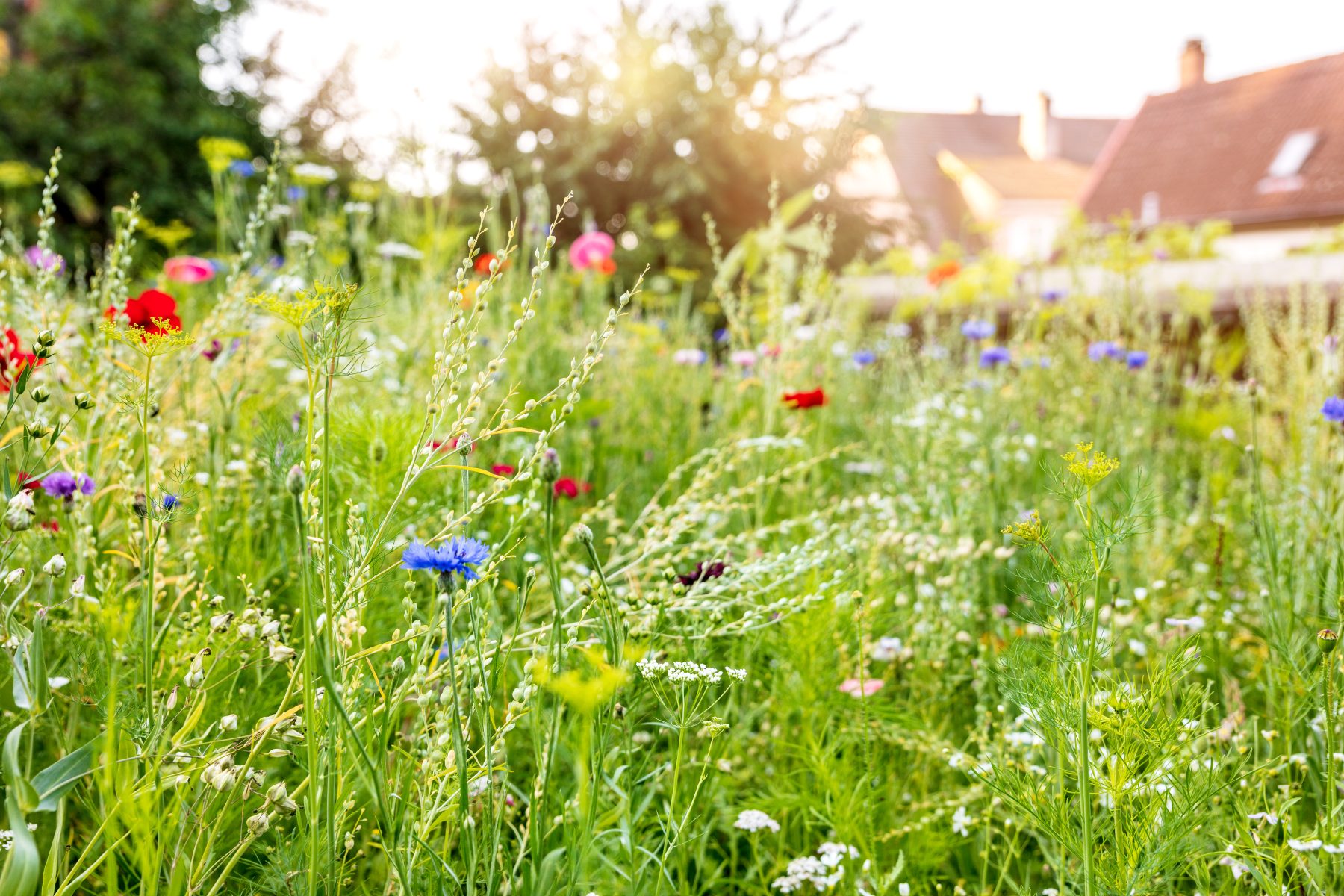
You spent months transforming an ordinary patch of grass into a colorful wildflower garden filled with native plants, butterflies, and buzzing bees. Instead of spending every weekend mowing, you’re enjoying a beautiful landscape that requires less maintenance and supports local wildlife. Then an unexpected letter arrives from your city or homeowners association: A neighbor complained that your yard looks overgrown, and you’re being ordered to mow it down.
Suddenly, your money-saving gardening project could become an expensive legal headache.
Across the country, homeowners are replacing traditional lawns with native plants and pollinator gardens, but not everyone appreciates the change. Some neighbors consider these landscapes beautiful, while others see tall flowers and grasses as unmaintained weeds.
The question is whether wildflower garden laws protect your landscaping choices or allow local authorities to force you to remove everything.
Before reaching for the lawn mower, here’s what homeowners should know about their rights, potential fines, and ways to protect a garden they’ve worked hard to establish.
Your Neighbor Can’t Automatically Force You to Mow
A neighbor might dislike your wildflower garden, but personal preference alone doesn’t give someone the authority to dictate your landscaping choices. However, that neighbor can report your property to local code enforcement officials or a homeowners association if they believe it violates applicable rules. Many communities have ordinances regulating vegetation height, invasive plants, visibility near intersections, and neglected properties. Whether those regulations apply to your garden depends on how local wildflower garden laws distinguish intentionally maintained landscaping from uncontrolled weeds. Before removing anything, ask the enforcement agency to identify the specific ordinance or HOA provision your garden supposedly violates.
Some States Have Laws Protecting Natural Landscapes
Homeowners in certain states have stronger legal protections for native landscaping than they might realize. For example, Minnesota Statute 412.925 requires cities to allow managed natural landscapes that include wildflowers, native grasses, rain gardens, and other intentionally maintained plantings. These landscapes may contain vegetation taller than eight inches, provided they are maintained and don’t contain prohibited noxious weeds. However, the law doesn’t protect ordinary turf grass that’s simply left unattended, and other applicable safety or maintenance regulations may still apply. Understanding your state’s wildflower garden laws could make the difference between successfully challenging a violation notice and facing costly enforcement.
Maryland Homeowners Have Additional HOA Protections
Maryland offers an important example of how state legislation can protect homeowners who want alternatives to traditional lawns. Under Maryland’s Low-Impact Landscaping Law, certain property restrictions, including HOA rules, cannot impose unreasonable limitations on qualifying pollinator gardens, rain gardens, and other environmentally friendly landscaping. The law took effect in October 2021 after homeowners pushed back against restrictions that discouraged natural landscapes. However, associations may still establish reasonable design and aesthetic guidelines concerning the type, number, and location of landscaping features. If you live in Maryland, reviewing these protections before complying with an HOA removal order could help preserve your garden and avoid unnecessary replacement costs.
A Wildflower Garden Isn’t the Same as an Abandoned Lawn
One of the most important distinctions in wildflower garden laws involves whether the landscape is intentionally planted and maintained. A planned pollinator garden containing identified flowers, managed pathways, and controlled vegetation is different from a lawn that’s simply allowed to grow without attention. For example, Minnesota’s native landscape statute specifically excludes unattended turf grass from its definition of protected managed natural landscapes. Homeowners can strengthen their position by keeping planting records, identifying native species, removing prohibited weeds, and maintaining visible garden boundaries. These steps demonstrate that the property contains a purposeful landscape rather than neglected vegetation that might violate local maintenance ordinances.
You Could Still Face Fines or Enforcement Costs
Even homeowners who believe their gardens are protected should take official violation notices seriously. Depending on local regulations, unresolved landscaping complaints can lead to administrative fines, required corrective work, or municipal mowing charges. Some communities also have procedures allowing homeowners to appeal notices or request hearings before enforcement actions proceed. The Minnesota Board of Water and Soil Resources notes that municipal native landscape ordinances vary, with some communities requiring permits or imposing setback requirements. Ignoring an HOA or city wildflower garden violation could turn a relatively inexpensive landscaping disagreement into a much larger financial problem.
Your Garden Design Could Help Prevent Complaints
Sometimes the easiest way to protect a wildflower garden is to make its intentional design obvious to neighbors and enforcement officials. Adding a narrow mowed border, stone edging, defined pathways, or small plant identification signs can help distinguish native landscaping from uncontrolled weeds. The University of Maryland Extension recommends thoughtful native plant designs that support biodiversity while creating attractive, manageable landscapes. Choosing species appropriate for your region also reduces the likelihood of introducing invasive plants that could create legitimate maintenance concerns. A carefully maintained garden may not eliminate every complaint, but it can make compliance easier to demonstrate and help prevent expensive disputes.
Document Everything Before Removing Your Plants
If you receive a complaint or violation notice, don’t immediately destroy plants that may have taken years to establish. Start by photographing your garden, saving receipts for purchased plants, and documenting the species you’ve intentionally cultivated. Next, request the applicable ordinance, review available appeal procedures, and determine whether state wildflower garden laws offer protection. You may also want to contact your local Cooperative Extension office for help identifying plants and explaining the ecological purpose of your landscaping. If fines or mandatory removal are threatened, consulting an attorney familiar with local property regulations may be worthwhile before making irreversible changes.
Why Wildflower Gardens Can Be Worth Protecting Financially
Replacing traditional turf with suitable native plants can reduce some of the ongoing expenses associated with maintaining a conventional lawn. Established native plantings may require less frequent mowing, supplemental watering, and fertilizer, although savings vary depending on the species and local growing conditions. Diverse native landscapes can support pollinators, beneficial insects, and healthier local ecosystems. However, establishing a wildflower garden still requires planning, site preparation, weed management, and sometimes several growing seasons before the planting becomes fully established. Being forced to remove that investment could mean losing both the money spent creating the garden and the potential maintenance savings it might have provided.
Before You Mow Everything Down, Know Your Rights
A neighbor’s complaint doesn’t automatically mean your wildflower garden is illegal or that you must remove it immediately. The outcome depends on your state’s wildflower garden laws, local ordinances, HOA restrictions, and whether your landscape meets applicable maintenance requirements. Homeowners should request written explanations, document their gardens, and explore available appeals before agreeing to expensive removal work. Maintaining clearly defined planting areas and controlling invasive or prohibited weeds can also help prevent future conflicts. With the right information and a little preparation, you may be able to protect your garden, preserve your investment, and continue providing valuable habitat for pollinators.
Have you ever had a neighbor complain about your wildflower garden, native plants, or an unconventional lawn? Do you think homeowners should be allowed to replace traditional grass with pollinator-friendly landscaping? Share your experiences in the comments!
What to Read Next
Why Native Wildflower Gardens Are Suddenly Everywhere
Transform Your Yard Into a Pollinator Paradise With These Budget-Friendly Wildflowers
Leave a Reply