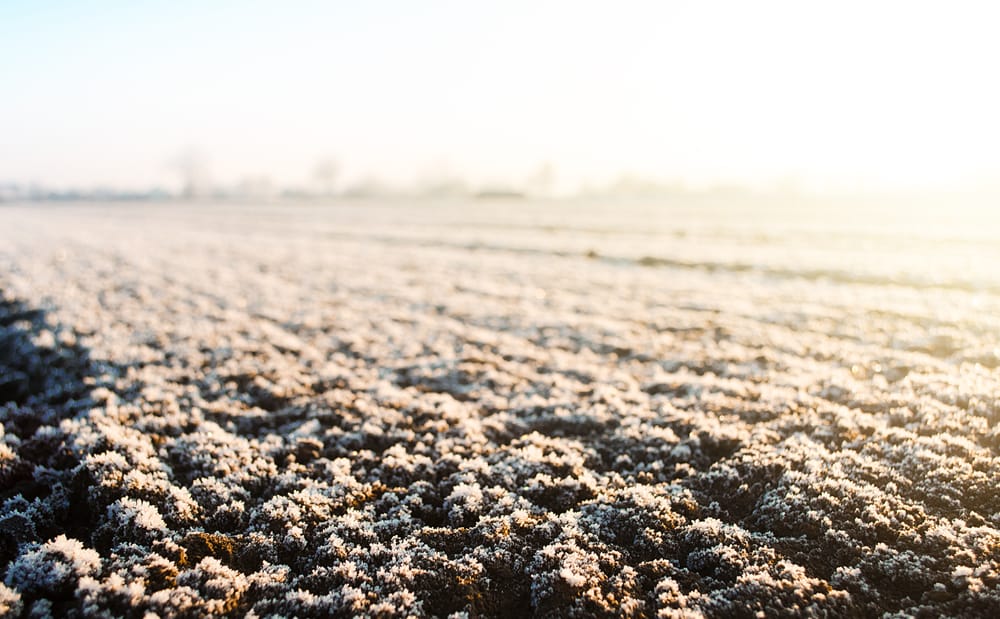
The moment that crisp, cold air rolls in and your breath turns visible, most people start thinking about holiday menus, winter coats, or whether their car battery will survive another year. But seasoned gardeners and homeowners know there’s another silent threat creeping beneath the surface—one that can sabotage plants, damage soil structure, and turn your yard into a mushy disaster by spring. Soil drainage might not sound glamorous, but it becomes a make-or-break factor the moment freezing temperatures arrive.
If your soil holds water like a stubborn sponge, you’re setting yourself up for root rot, frost heave, and dead plants that absolutely did not deserve such a dramatic ending. Before the ground turns solid and unforgiving, checking your soil’s drainage becomes one of the smartest, simplest, and most underrated winter-prep tasks you’ll ever do.
The Science Behind Frozen Soil Trouble
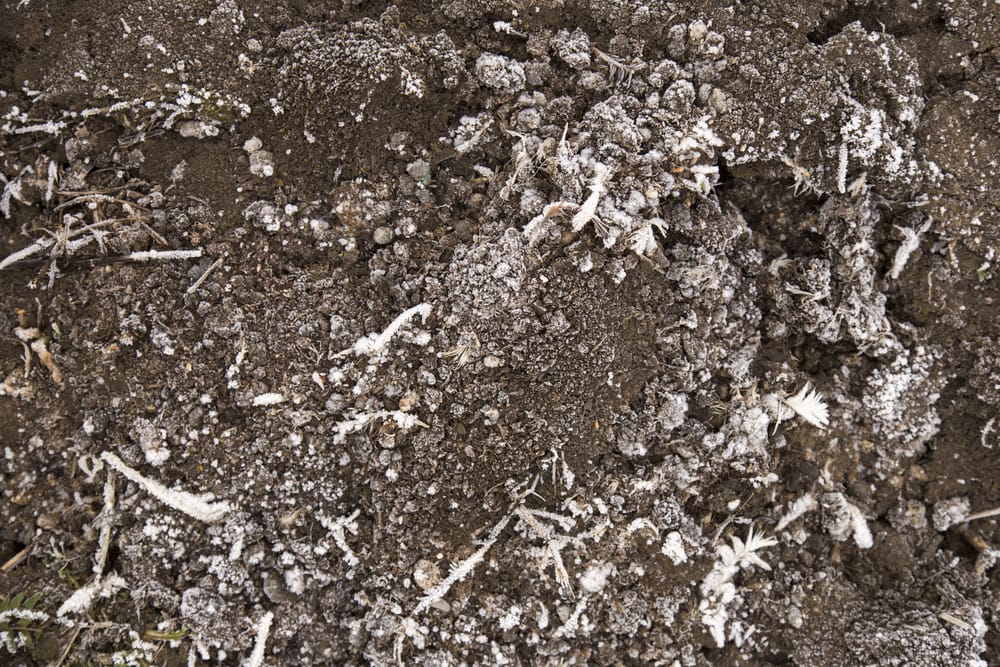
When soil freezes, the water inside it expands, and that expansion can wreak havoc on plant roots and soil structure. Poorly drained soil holds more water, which means more expansion and more potential damage. This can push plant roots upward, a process known as frost heave, which exposes roots and leaves them vulnerable to cold air. Even well-established plants can become wobbly, loose, or entirely displaced after a harsh freeze. The result is a springtime garden that looks like it experienced a minor earthquake instead of a peaceful winter nap.
Why Waterlogged Soil Becomes A Winter Enemy
Soil that drains slowly or not at all becomes a trap for standing water, and standing water becomes a ticking time bomb the moment temperatures drop. Plants sitting in soggy soil not only struggle to breathe, but their roots become weak, mushy, and prone to rot. When that wet soil freezes, the damage multiplies because the frozen moisture expands and crushes root systems that are already stressed. Even plants adapted to cold climates struggle in wet, freezing conditions. It’s the combination—water and freezing—that turns drainage issues from inconvenient to catastrophic.
How To Test Drainage Before The Freeze
Testing your soil’s drainage is surprisingly simple and doesn’t involve fancy equipment or agricultural expertise. All you need is a shovel, a small patch of ground, and a willingness to dig a hole. The basic test—often called a percolation test—reveals how quickly water disappears into the soil and whether you have a slow-draining situation on your hands. If the water lingers for hours, that’s a warning sign that corrections need to be made before the freeze hits. By understanding your soil’s behavior now, you give yourself enough time to protect your plants and prevent damage later.
The Hidden Impact On Trees And Shrubs
Trees and shrubs may look sturdy, but their root systems are more delicate than people realize. Poor drainage before a freeze means those roots may be sitting in icy, saturated soil for weeks or even months. Young trees are especially vulnerable because their roots haven’t grown deep enough to escape the danger zone. Even older trees can suffer from rot or structural instability caused by constant freeze–thaw cycles. By checking your soil now, you reduce the risk of losing expensive, mature landscaping that took years to establish.
Why Containers And Raised Beds Aren’t Automatically Safe
Many gardeners assume containers and raised beds guarantee perfect drainage, but this is only true if they’ve been maintained properly. Over time, soil compacts, roots fill the space, and drainage holes clog, all of which slow down water flow. A container full of soggy soil will freeze just as solidly as ground soil—and plants in pots are even more exposed to temperature swings. Raised beds can suffer the same fate if they’re filled with dense or overly rich soil that retains too much moisture. Checking drainage in these areas is just as crucial as checking your in-ground garden beds.
Simple Fixes You Can Still Do Before Winter
Even if you discover your soil drains like wet cement, you still have time to make improvements before the ground freezes. Adding organic material like compost helps loosen soil and improves its ability to drain properly. In some cases, simply aerating the soil around plants is enough to prevent water from pooling. For long-term solutions, adjusting the slope of planting areas or installing drainage channels can drastically reduce winter risk. The best part is that most of these fixes are fast, inexpensive, and beginner-friendly.
How Good Drainage Protects Spring Growth
Winter might feel like the season where gardens go dormant, but the groundwork for spring happens beneath the surface long before the thaw. Roots that survive winter healthy and intact explode with growth once the weather warms. Good drainage ensures they don’t spend the winter drowning, freezing, or suffocating under heavy compacted soil. A plant that enters winter strong has a dramatically better chance of thriving in spring without stunted growth or disease. Checking drainage now pays off months later when your garden wakes up vibrant and ready to perform.
Why This Often-Overlooked Step Saves You Money
Replacing plants every spring gets expensive fast, especially if you’re losing perennials, shrubs, or young trees to preventable winter damage. Poor drainage leads to root rot, fungus, and structural problems that require more than just a little fertilizer to fix. Homeowners often blame cold temperatures alone for plant death, not realizing that the real culprit was waterlogged soil that froze repeatedly. By checking and improving drainage now, you significantly reduce the cost of repairs, replacements, and emergency springtime replanting. In a world where gardening supplies aren’t getting any cheaper, drainage checks are one of the smartest financial decisions you can make.
The Peace Of Mind You’ll Gain Through Preparation
There’s something deeply satisfying about preparing your garden for winter with intention instead of panic. Checking drainage gives you the confidence that you’ve eliminated one of the biggest hidden threats to your plants. When the first freeze hits, you’re not crossing your fingers and hoping for the best—you’re resting easy knowing you handled the problem proactively. Winter gardening always involves uncertainty, but drainage is one variable you can absolutely control. That kind of peace of mind is priceless when the cold weather comes rolling in.
Don’t Let Winter Catch You Off Guard
Soil drainage might not be glamorous, but it could be the difference between a thriving spring garden and a heartbreaking one. Before the first freeze arrives, taking the time to test and adjust your soil can save plants, time, money, and stress. It’s one of those small steps that pay enormous dividends once winter sets in. Whether you’re a new gardener or an experienced one, this is a task you’ll never regret doing.
Have you ever had a winter drainage disaster—or a success story? Share your experience, thoughts, or tips in the comments section below.
You May Also Like…
How to Prep Soil for Bulbs Without Spending a Fortune
7 Native Shrubs to Plant Before the Ground Freezes
Why Fall Is the Time to Start Next Year’s Beds
Why Soil Tilth Improves After Frost
Why Mulching Improves Soil Microclimate in Winter

Brandon Marcus is a staff writer for FrugalGardening.com at District Media, Inc., where he delivers practical gardening advice with a relatable, no-nonsense style. An avid amateur gardener, he holds a BA degree and with over ten years of professional writing experience, he is also an award-winning published author whose first book, Questions For Deep Thinkers, was released by Adams Media. His work has appeared in major publications including Fandom.com, CHUD.com, TheColdWire.com, and Fansided.com.
Leave a Reply