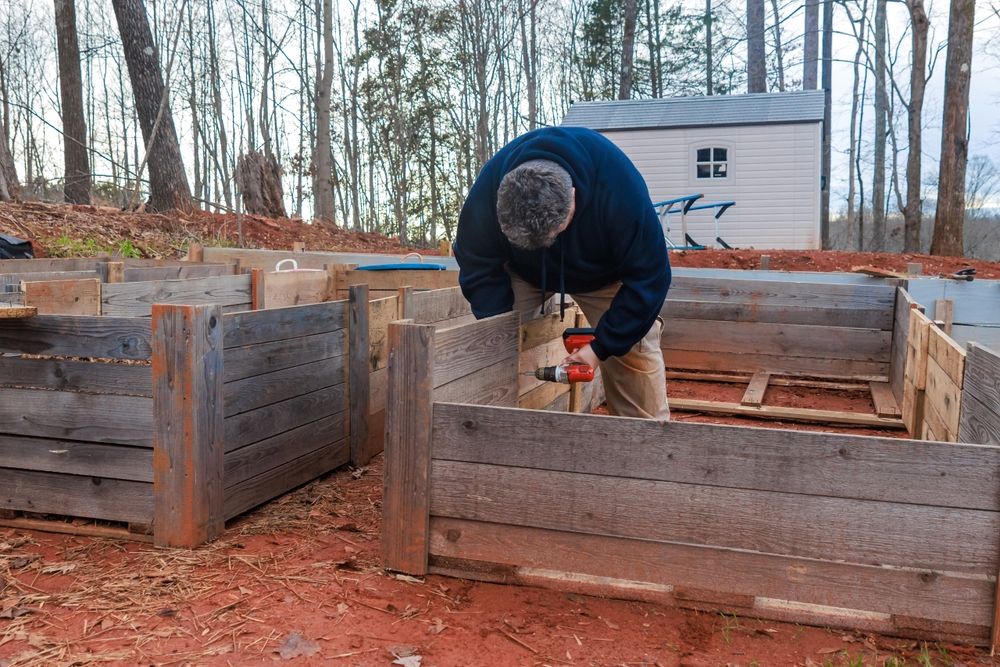
Spring is whispering around the corner, and your raised beds should be bursting with promise. Yet, despite all your planning and enthusiasm, some silent killers might be lurking, threatening to turn your garden dreams into a patch of regret.
From soil disasters to sneaky moisture traps, there are errors that can decimate your beds before the first seed even sees sunlight. Let’s dig into the seven mistakes gardeners make all too often—so you can stomp on them before they take root.
1. Ignoring Soil Health In The Off-Season
Soil is the life-force of your raised beds, yet many gardeners treat it like an afterthought during the winter months. Neglecting to enrich your soil with compost, cover crops, or organic matter can leave it depleted, compacted, and completely unprepared for the spring surge. Healthy soil isn’t just about nutrients—it’s about structure, water retention, and microbial life. Without this foundation, your plants may struggle to grow strong, and even the hardiest seeds can fail.
Simple tasks like adding a layer of mulch, mixing in aged compost, or planting a winter cover crop can dramatically improve soil texture and fertility. Your future harvest will thank you with bigger, healthier produce. Think of this as investing in the garden’s credit score before the spending spree of planting season begins.
2. Choosing The Wrong Location For Your Beds
It’s tempting to plop raised beds wherever there’s free space, but location is everything. Beds in shady corners or areas prone to flooding can doom your garden before it begins. Even a few hours of inadequate sunlight drastically slows plant growth, weakens root systems, and makes your crops vulnerable to disease. Drainage problems can be equally disastrous; soggy soil encourages root rot and fungal growth that spread fast. Survey your yard carefully: observe sunlight patterns, check for wind exposure, and notice how water behaves after rain. By choosing the right spot, you’re setting the stage for healthy, vigorous plants that practically grow themselves.
3. Overlooking Proper Drainage
Raised beds are supposed to improve drainage, but many gardeners assume “raised” equals “problem solved.” In reality, poor construction or incorrect soil composition can still trap water, drowning roots and stunting growth. Beds need a balance of fluffy soil and sufficient drainage layers, often including coarse material at the bottom. Even slight slopes or uneven surfaces can create puddles, turning your dream garden into a swampy nightmare. Testing your beds with a heavy watering session in late winter can reveal trouble spots early. Fixing drainage now saves weeks of frustration and countless lost plants later.
4. Skipping Winter Protection Measures
Winter isn’t just a downtime—it’s a critical period where your raised beds need guarding. Leaving soil bare exposes it to erosion, compaction, and nutrient loss from harsh weather conditions. Frost can crack wooden bed frames, and even cold-tolerant plants can struggle without a little shielding. Mulching with straw, shredded leaves, or biodegradable fabric helps retain moisture, insulates roots, and keeps soil life thriving. Consider temporary covers or cold frames for tender plants that survived the previous season. This proactive approach ensures that when spring arrives, your beds are strong, stable, and ready for action.
5. Using Poor Quality Or Contaminated Soil
Not all soil is created equal and using low-quality or contaminated soil can sabotage your beds before a single seed sprouts. Bagged soil mixes with chemical residues or construction debris can harm microbes, stunt plant growth, and even introduce disease.
Similarly, garden soil dug from elsewhere may carry pests or imbalanced nutrients. Invest in a high-quality, organic soil mix suited to raised beds, or amend your existing soil with compost, sand, and other natural components. Healthy soil is a living ecosystem, and cutting corners here can mean starting every spring with an uphill battle against nature itself.

6. Overcomplicating Plant Rotation And Bed Planning
Planning is crucial, but overthinking can backfire. Some gardeners obsess over rotation schedules, companion planting, and elaborate bed layouts to the point where beds sit empty waiting for the “perfect” plan. Empty beds don’t just waste space—they invite weeds and let soil life stagnate. Keep it simple: rotate crops based on family or root type, mix in a few cover crops, and don’t stress about perfection. A practical plan executed consistently beats a complicated dream never realized. The goal is balance—healthy soil, productive plants, and a system you can maintain easily.
7. Forgetting About Early Pest Prevention
Winter pests are more cunning than many gardeners realize. Slugs, rodents, and overwintering insects can invade raised beds while you’re focusing on composting or pruning. Failing to set up preventative measures allows populations to explode once the weather warms. Use organic deterrents, mesh covers, or natural predators to reduce pest pressure early. Even cleaning up plant debris and rotating crops thoughtfully helps cut down on hiding spots. Being proactive now prevents a frantic battle mid-spring when plants are young, tender, and extremely vulnerable.
Prepare Now, Reap Later
A thriving raised bed garden doesn’t happen by chance. It takes attention, strategy, and a willingness to tackle mistakes before they snowball into disasters. By focusing on soil health, bed placement, drainage, winter protection, quality soil, sensible planning, and early pest control, you’re setting yourself up for a spring filled with robust plants and bountiful harvests.
We’d love to hear about your raised bed triumphs, challenges, or lessons learned from past seasons in the comments section below. Your experiences could inspire someone else to avoid the mistakes that hold back their garden dreams.
You May Also Like…
9 Reasons Your Raised Beds Drain Worse in Winter and the Fix
8 Ways to Prepare Garden Beds Without Buying New Soil
Why Pests Overwinter in Untended Garden Beds
5 DIY Raised Beds That Keep Working Under Frost
Why Your Raised Beds Might Be Failing in Winter

Brandon Marcus is a staff writer for FrugalGardening.com at District Media, Inc., where he delivers practical gardening advice with a relatable, no-nonsense style. An avid amateur gardener, he holds a BA degree and with over ten years of professional writing experience, he is also an award-winning published author whose first book, Questions For Deep Thinkers, was released by Adams Media. His work has appeared in major publications including Fandom.com, CHUD.com, TheColdWire.com, and Fansided.com.
Leave a Reply