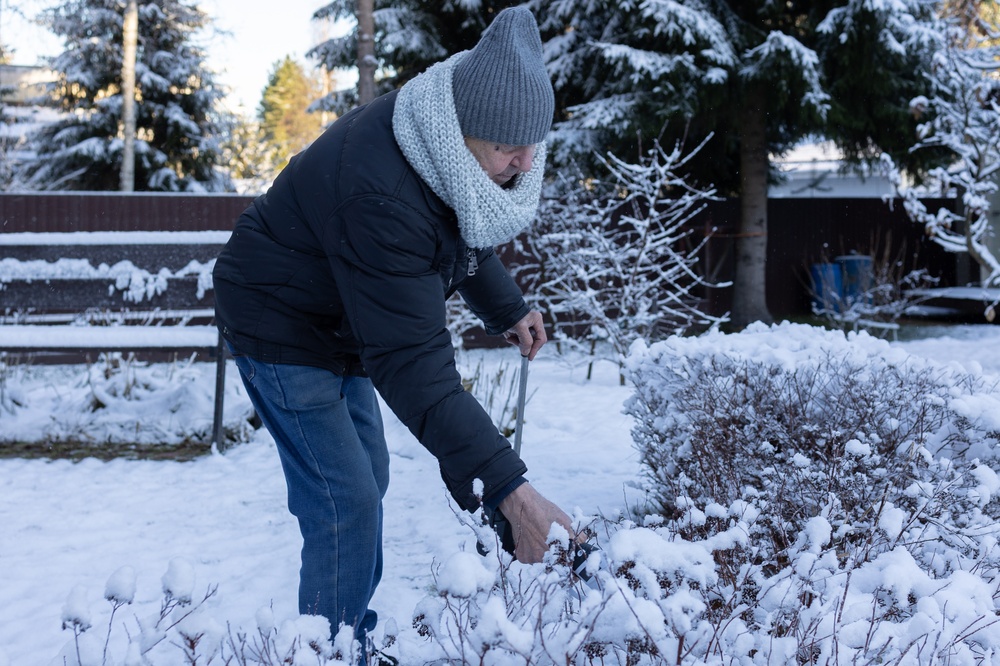
Winter can feel like a slow, gray pause in the garden, but this is actually the perfect time to get ahead. While the frost glazes the lawn and the soil is stiff with cold, gardeners who plan carefully now will glide into March with effortless ease.
By investing just a little energy in these winter tasks, you’ll dodge the chaos of early spring and enjoy the satisfaction of a garden that’s already a step ahead. Imagine sipping your morning coffee while your garden is already thriving—all because of a few smart winter moves.
1. Clean And Sharpen Tools
A pile of rusty tools is a headache in March, but winter gives you the perfect window to tackle them. Take each spade, pruner, and trowel and give it a good scrub with warm soapy water. Once they’re clean, sharpen blades with a file or stone—your pruning shears will cut like magic. Oiling metal parts prevents rust, while wooden handles benefit from a rubdown with linseed oil to stop splitting.
Labeling and storing them in a dry, accessible place saves frantic searching later. By the time spring arrives, your tools won’t just be ready—they’ll practically beg to be used.
2. Plan Your Spring Planting
Winter is the ultimate planning season. Sketch out beds, decide where perennials will thrive, and map out crop rotation for vegetables. Take notes on what worked last year and what struggled. Look at sunlight patterns and garden microclimates to match plants with their perfect spots. Ordering seeds now ensures you won’t face sold-out varieties in March. When spring rolls around, you’ll be planting with precision rather than scrambling in a haze of enthusiasm and frost-bitten fingers.
3. Prune Deciduous Trees And Shrubs
Dormant trees and shrubs are easier to shape in winter because their leafless branches give clear sightlines. Focus on dead, damaged, or crossing branches first. Proper pruning encourages stronger growth, improves air circulation, and helps prevent diseases later. Remember to use sharp tools to make clean cuts, reducing stress on the plants. Collect cuttings for composting or winter burning. By clearing out the old growth now, you’ll give your garden a head start that will be obvious in March.
4. Mulch Garden Beds
Mulching might sound like a spring chore, but applying it in winter has huge benefits. A thick layer of organic mulch protects soil from erosion, prevents frost heaving, and keeps weeds at bay. Compost, shredded leaves, or bark chips all work beautifully. Mulched beds retain moisture better, so early seedlings won’t dry out as quickly. When you’re ready to plant, your soil will be rich, crumbly, and easier to work with. Think of it as tucking your garden in for a comfortable, productive slumber.
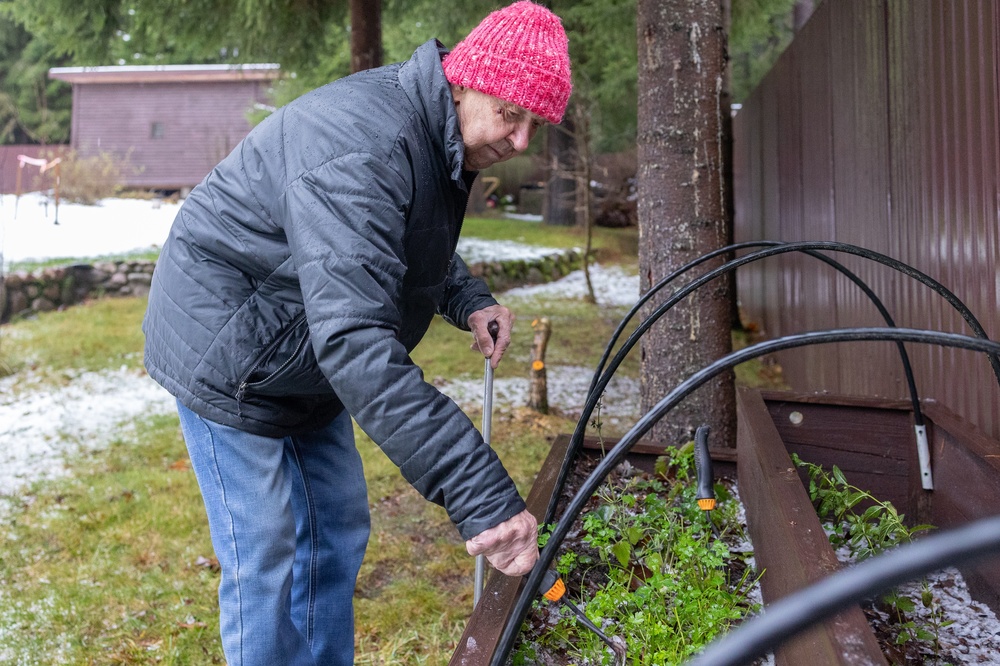
5. Clean And Inspect Greenhouses
A greenhouse can be a winter haven for plants, but dust, grime, and pests accumulate over time. Scrub benches, sweep floors, and check ventilation systems. Replace broken panes or torn plastic sheeting to prevent heat loss. Winter cleaning reduces mold, algae, and pest problems before they become spring nightmares. Inspecting heating and irrigation systems now avoids last-minute panics. By March, your greenhouse will be sparkling, ready to nurture seedlings with minimal effort.
6. Divide Perennials
Perennials that have outgrown their space benefit from winter division. Dig up crowded clumps and separate them carefully, making sure each piece has healthy roots and shoots. Replant divisions in prepared beds or pots to give them a strong start. This task reduces competition for nutrients and encourages fuller blooms in spring. Dividing now also gives you a supply of plants for swaps, gifts, or expanding your garden. Early attention pays off with dramatic growth and flower showmanship when the season arrives.
7. Collect And Store Seeds
Seed-saving in winter is a time-saver that many gardeners overlook. Harvest seeds from last year’s flowers, vegetables, or herbs, clean them thoroughly, and store in labeled envelopes. Keep them in a cool, dry place to maintain viability. When March arrives, you’ll have instant access to tried-and-true varieties without last-minute trips to the store. This also gives you time to experiment with new plants in the winter without risking spring planting deadlines. Seeds saved thoughtfully now are flowers and vegetables harvested with ease later.
8. Check Fences And Supports
Winter is perfect for inspecting the framework of your garden. Look for leaning trellises, wobbly fences, or rotting posts. Tighten screws, replace broken stakes, and reinforce structures that will hold climbers or vegetables in spring. Doing this now prevents mid-season emergencies when plants are growing quickly and fragile. It’s also a great time to plan new support structures or install bird deterrents before March rushes in. By the time plants need guidance, everything will be steady, secure, and ready to grow.
9. Prepare Compost And Soil
Compost in winter continues to break down slowly, giving you nutrient-rich soil for spring planting. Turn piles to aerate and check moisture levels. Layer in kitchen scraps, garden waste, and leaves to maintain balance. Consider adding soil amendments like lime or organic fertilizers to correct pH or nutrient deficiencies. Preparing compost and soil now means your beds will be fully nourished by the time March arrives. Healthy soil is the secret behind vigorous growth, and winter is the time to make it happen.
10. Plan For Pest And Disease Management
Winter is the perfect moment to think ahead about garden protection. Inspect stored bulbs, seeds, and roots for signs of pests. Plan natural deterrents or biological controls for common spring problems. Removing debris and dead plant material now reduces overwintering pests. Consider companion planting or crop rotation strategies for vegetables. Early planning means you won’t be scrambling for solutions in March. A proactive approach now keeps your garden resilient and thriving when warmth returns.
Your Winter Work Pays Off
Taking a little extra time during the winter months transforms your spring garden experience from chaotic to effortless. Each task—whether sharpening tools, dividing perennials, or mulching beds—adds up to hours saved and a garden that practically manages itself.
If you’ve tried any of these strategies, or if you have your own winter tips that make March easier, tell us in the comments below.
You May Also Like…
This One Winter Gardening Habit Could Be Spreading Invasive Pests Across the South
This One Winter Gardening Habit Could Be Attracting Rats—Here’s How to Fix It Fast
11 Winter Garden Myths That Waste Time and Money
9 Budget-Friendly Winter Garden Projects You Can Finish Before Spring
7 Winter Mulches That Actually Warm Soil Instead of Chilling It

Brandon Marcus is a staff writer for FrugalGardening.com at District Media, Inc., where he delivers practical gardening advice with a relatable, no-nonsense style. An avid amateur gardener, he holds a BA degree and with over ten years of professional writing experience, he is also an award-winning published author whose first book, Questions For Deep Thinkers, was released by Adams Media. His work has appeared in major publications including Fandom.com, CHUD.com, TheColdWire.com, and Fansided.com.
Leave a Reply