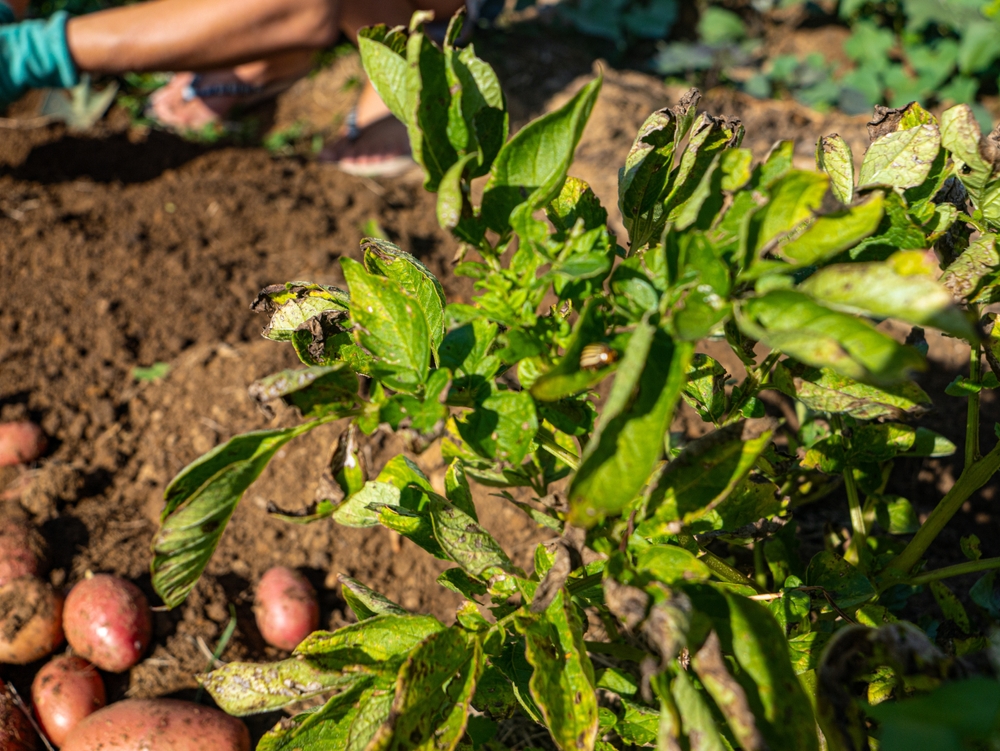
Gardening doesn’t have to feel like a high-stakes science experiment fueled by fancy bags of nutrients and mysterious formulas. There’s a special kind of thrill in discovering that some vegetables actually thrive when you keep things simple and let nature do more of the heavy lifting. These are the plants that don’t demand luxury treatment, designer fertilizers, or constant pampering to reward you with real, honest harvests. They grow with grit, adapt to average soil, and prove that great food can come from modest beginnings.
Get ready to meet a lineup of vegetables that laugh in the face of overpriced fertilizers and still bring serious flavor to the table.
1. Potatoes Love Plain, Well-Worked Soil
Potatoes are famously forgiving and can produce generous harvests without premium fertilizers. They primarily need loose soil, consistent moisture, and a modest amount of organic matter to fuel tuber growth. Too much fertilizer can actually encourage leafy tops instead of hearty potatoes underground. Compost or aged manure added before planting usually provides more than enough nutrition. Their resilience makes them a favorite for beginners and seasoned gardeners alike.
2. Beans Create Their Own Nutrients
Beans are natural soil superheroes because they fix nitrogen directly from the air. Thanks to beneficial bacteria in their roots, they make their own fertilizer as they grow. Adding expensive fertilizers can reduce pod production and encourage excessive leaves. Beans perform best in average soil that drains well and isn’t overloaded with nutrients. They also improve soil health for whatever you plant next.
3. Radishes Thrive On Speed And Simplicity
Radishes grow fast, mature quickly, and demand very little from the soil. In fact, rich fertilizers often lead to leafy tops and disappointing roots. Light compost mixed into the soil is plenty to support their rapid growth cycle. They prefer cool weather and consistent moisture more than extra nutrients. Radishes are proof that quick rewards don’t require complex inputs.
4. Kale Grows Strong Without Fancy Feeding
Kale has a reputation for toughness, both in the garden and on the plate. It can grow well in moderately fertile soil without constant fertilizer boosts. Overfeeding kale often leads to softer leaves and increased pest problems. A simple layer of compost at planting time usually keeps it productive for months. Its adaptability makes kale a reliable choice for low-input gardens.
5. Zucchini Produces Big With Basic Care
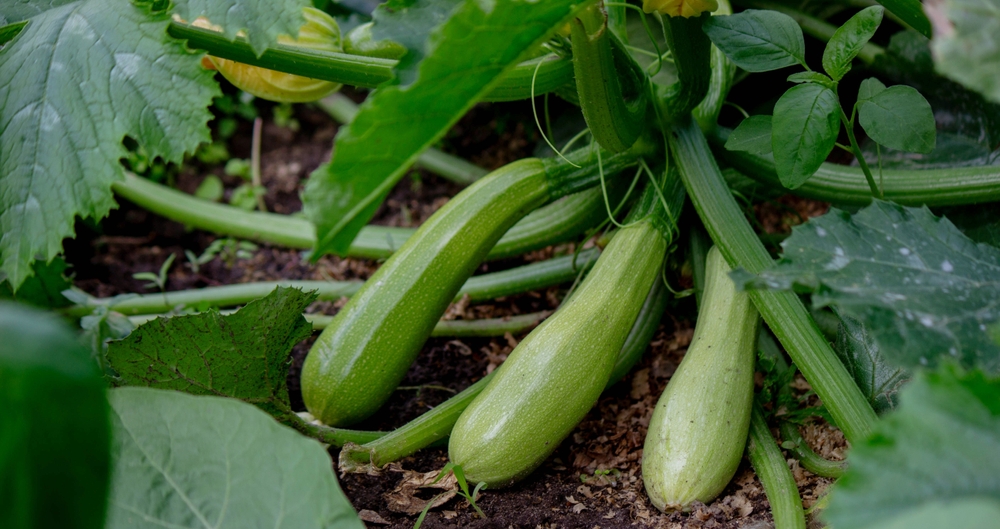
Zucchini plants are vigorous growers that don’t need premium fertilizers to be productive. They benefit most from good sunlight, space to spread, and regular watering. Too much fertilizer can cause lush vines with fewer fruits. Compost-rich soil or a basic organic amendment provides all the nutrients they need. Their fast growth means gardeners see results quickly without extra expense.
6. Turnips Prefer Balanced, Not Boosted, Soil
Turnips grow best in soil that’s balanced rather than heavily fertilized. Excess nutrients often result in leafy growth at the expense of well-formed roots. They thrive with simple soil preparation and steady moisture throughout the season. Turnips mature quickly, making them efficient users of existing soil nutrients. Their low demands make them ideal for economical and sustainable gardens.
Grow More With Less
Choosing vegetables that don’t need premium fertilizers is a smart way to garden with confidence and creativity. These plants reward patience, observation, and basic care rather than expensive products. They also encourage healthier soil and a more relaxed gardening experience. Every garden has its own personality, and these vegetables adapt beautifully to a wide range of conditions.
Tell us your experiences, lessons learned, or favorite low-maintenance vegetables in the comments section below.
You May Also Like…
7 Vegetables That Are Cheaper to Start From Seed in January
This Unusual Vegetable Is Making a Comeback in Small Yards
6 Vegetable Varieties That Shoot Up Winter Harvests
The Winter Vegetable Garden Hack That Southern Gardeners Swear By
The Vegetables You Can Still Plant Before the Deep Freeze

Brandon Marcus is a staff writer for FrugalGardening.com at District Media, Inc., where he delivers practical gardening advice with a relatable, no-nonsense style. An avid amateur gardener, he holds a BA degree and with over ten years of professional writing experience, he is also an award-winning published author whose first book, Questions For Deep Thinkers, was released by Adams Media. His work has appeared in major publications including Fandom.com, CHUD.com, TheColdWire.com, and Fansided.com.
Leave a Reply