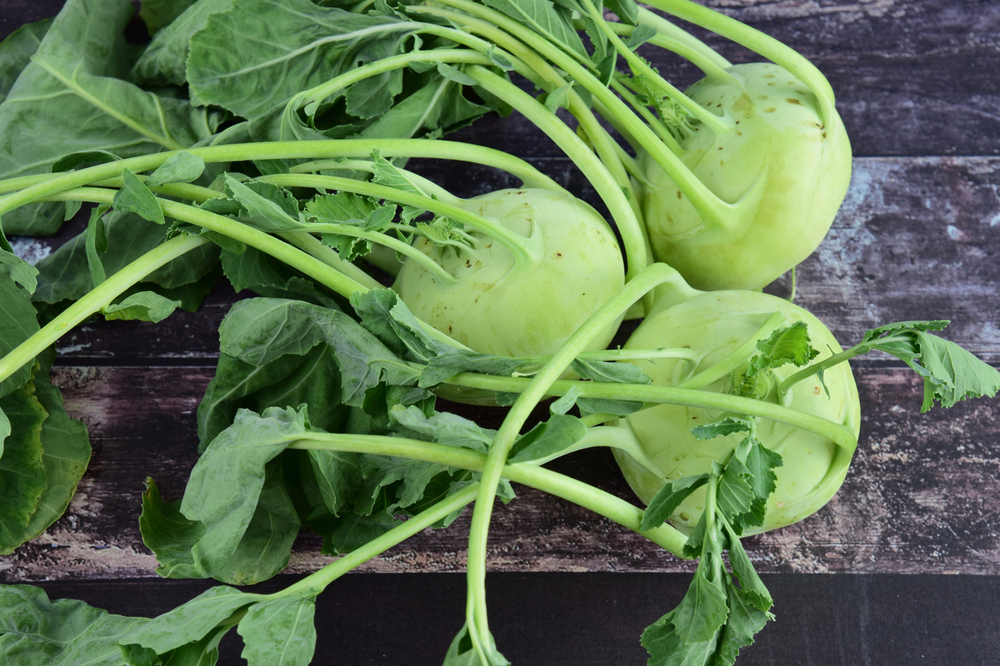
If you think your small backyard can only handle a handful of tomatoes or some sad lettuce leaves, think again. One unexpected vegetable is quietly revolutionizing home gardening, popping up in urban backyards, tiny patios, and even balcony containers. It’s not flashy, it’s not trendy, but it’s practical, nutritious, and surprisingly fun to grow.
Gardeners everywhere are rediscovering its charm, and once you learn about it, you might just want to plant a few yourself. Welcome to the world of kohlrabi—a vegetable that’s making a small-space comeback like no other.
Why Kohlrabi Is Perfect For Tiny Spaces
Kohlrabi is a compact powerhouse, perfect for gardeners with limited square footage. Unlike sprawling zucchini vines or towering tomato plants, kohlrabi grows upward, saving valuable space. Its round, bulb-like stem is the edible part, and it develops just above the soil, making it easy to harvest without bending or digging.
Even container gardeners can grow it successfully with just a medium-sized pot. Plus, kohlrabi doesn’t require complex trellises or staking, making it a low-maintenance superstar for small yards.
Nutritional Benefits That Will Surprise You
You might dismiss kohlrabi as just another crunchy vegetable, but it’s a nutritional dynamo. Packed with vitamin C, fiber, and potassium, it supports immune health, digestion, and heart function. Its leaves aren’t just filler—they’re edible too and rival kale in vitamins and antioxidants. For gardeners who love functional food, kohlrabi is a two-for-one deal: stems and greens both contribute to a healthy diet. Including this vegetable in your meals is an easy way to sneak in a boost of nutrients without changing your cooking style.
Planting And Growing Made Easy
Kohlrabi is forgiving, which makes it ideal for beginner and impatient gardeners alike. It thrives in cooler seasons, so spring and fall are prime planting times. Sow seeds directly into your yard or containers about half an inch deep, and keep the soil consistently moist. The bulbs grow quickly, often ready to harvest in just six to eight weeks. This fast turnaround makes it a satisfying vegetable to cultivate, especially if you’re eager for instant garden gratification.
Creative Culinary Uses For Kohlrabi
This vegetable isn’t just a garden trophy—it’s a kitchen gem. Kohlrabi can be eaten raw, sliced into crunchy sticks for snacking, or shaved into salads for a peppery bite. Cooking options abound: roast it, sauté it, steam it, or even turn it into creamy soups. Its mild, slightly sweet flavor adapts well to both sweet and savory dishes, making it a versatile ingredient. Once you experiment, you’ll discover it has the potential to replace potatoes or turn simple side dishes into something spectacular.
Pest And Disease Resistance Secrets
Small-space gardeners often worry about pests, but kohlrabi has some natural advantages. It’s less susceptible to many common pests like tomato hornworms or aphids compared to other garden favorites. Crop rotation and good soil management keep it healthy, and the tough bulb helps it resist rot in damp conditions. For organic gardeners, this means fewer chemicals and less stress while growing. In short, kohlrabi can thrive quietly in your backyard without constant attention or intervention.

Harvesting Tips For Maximum Flavor
Timing is everything when it comes to harvesting kohlrabi. The bulbs are sweetest when harvested young, around the size of a baseball, before they become woody. Leaves should be plucked regularly and used promptly—they wilt quickly once cut. To encourage continuous growth, keep sowing seeds every few weeks during the growing season. Harvesting can feel like a mini celebration each time, as you pull up a perfectly round, crunchy bulb from your tiny garden.
Fun Varieties To Experiment With
Kohlrabi isn’t just green—gardeners are rediscovering exciting varieties that bring color and texture to small yards. Purple kohlrabi adds a dramatic pop to garden beds and plates, while white varieties look classic and understated. Some heirloom types offer mild, nutty flavors, perfect for raw preparations. Experimenting with multiple colors and varieties keeps your garden visually stunning and your meals interesting. With so many options, you can enjoy a little horticultural adventure right in your backyard.
Why Gardeners Are Returning To Old Favorites
Small-space gardeners are increasingly drawn to vegetables with history, and kohlrabi fits the bill perfectly. Once a staple in European kitchens, it fell out of favor as convenience foods took over. Now, a new wave of home gardeners is embracing its practicality, flavor, and nutritional punch. Its ability to thrive in tight quarters makes it perfect for modern urban gardens. Rediscovering this vegetable is a nod to both gardening tradition and smart, space-conscious design.
Join The Kohlrabi Revival
Kohlrabi may not be the flashiest vegetable, but it’s proving that small-space gardening can be big on flavor, nutrition, and fun. Its compact size, ease of growth, and culinary versatility make it an ideal choice for patios, balconies, and tiny yards. Whether you’re a beginner or a seasoned gardener, this vegetable offers a satisfying way to get creative in the kitchen and the garden.
If you’ve tried growing kohlrabi or are thinking about it, we’d love to hear your thoughts, experiences, or garden stories in the comments section below. There’s a lot to learn from how different gardeners make the most of this unusual, yet delightful vegetable.
You May Also Like…
6 Vegetable Varieties That Shoot Up Winter Harvests
Can You Actually Grow Vegetables Outside in December?
9 Root Vegetables That Should Be Stored in Sawdust
8 Backyard Fruits No One Knows You Can Grow in Small Spaces
Do You Know Which Plants Are Secretly Poisonous in Your Backyard?

Brandon Marcus is a staff writer for FrugalGardening.com at District Media, Inc., where he delivers practical gardening advice with a relatable, no-nonsense style. An avid amateur gardener, he holds a BA degree and with over ten years of professional writing experience, he is also an award-winning published author whose first book, Questions For Deep Thinkers, was released by Adams Media. His work has appeared in major publications including Fandom.com, CHUD.com, TheColdWire.com, and Fansided.com.
Leave a Reply