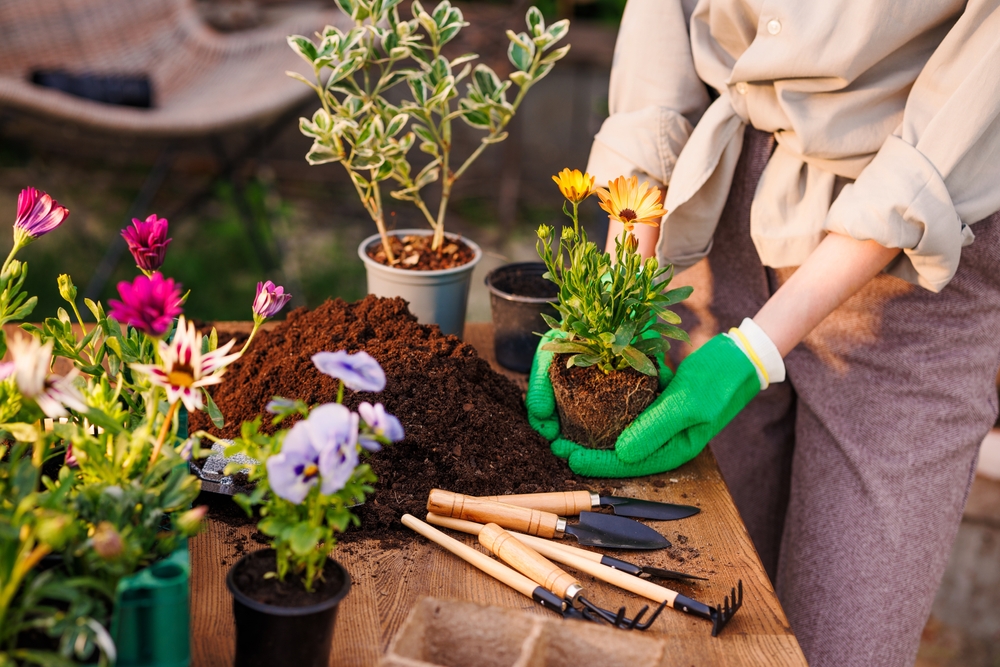
The moment a plant leaves its original home, everything changes. Roots lose their rhythm, soil conditions shift, and suddenly that once-thriving green beauty faces a challenge it never asked for. Transplanting looks simple on the surface, yet one wrong move can leave a plant droopy, stressed, or worse, completely stalled. That dramatic slump people often see after moving a plant has a name, and it sends gardeners into panic mode every time.
Strong, thriving plants don’t just happen after transplanting. They demand attention, timing, and a bit of strategy that goes beyond digging a hole and hoping for the best. Plants react quickly to change, but they also recover quickly when handled the right way. With the right approach, transplanting turns into a smooth transition instead of a risky gamble.
Timing Is Everything: Pick the Perfect Moment
Plants operate on internal clocks, and ignoring that rhythm almost guarantees trouble. Transplanting during the hottest part of the day forces a plant to battle heat stress while also adjusting to a new environment, which creates a double hit that weakens it fast. Early morning or late afternoon gives plants a much better shot because cooler temperatures reduce moisture loss and help roots settle without pressure. Weather matters just as much as time of day, so choosing a cloudy or mild day makes a noticeable difference in how well a plant adapts.
Season has an effect, too, and rushing the process often backfires. Most plants handle transplanting best during their active growing phase, but not during extreme heat or cold snaps. Spring and early fall usually offer ideal conditions because temperatures stay moderate and soil holds moisture more consistently. Jumping into transplanting during a heatwave or cold front pushes plants into survival mode instead of growth mode. Planning ahead may feel like extra work, but it gives plants a smoother transition and reduces stress dramatically.
Rushing rarely pays off in gardening, and transplanting proves that point every time. Taking a little extra time to wait for the right conditions sets the stage for success before the shovel even touches the ground. Healthy plants start with smart timing, and everything that follows builds on that strong foundation.
Handle With Care: Roots Are the Real Stars
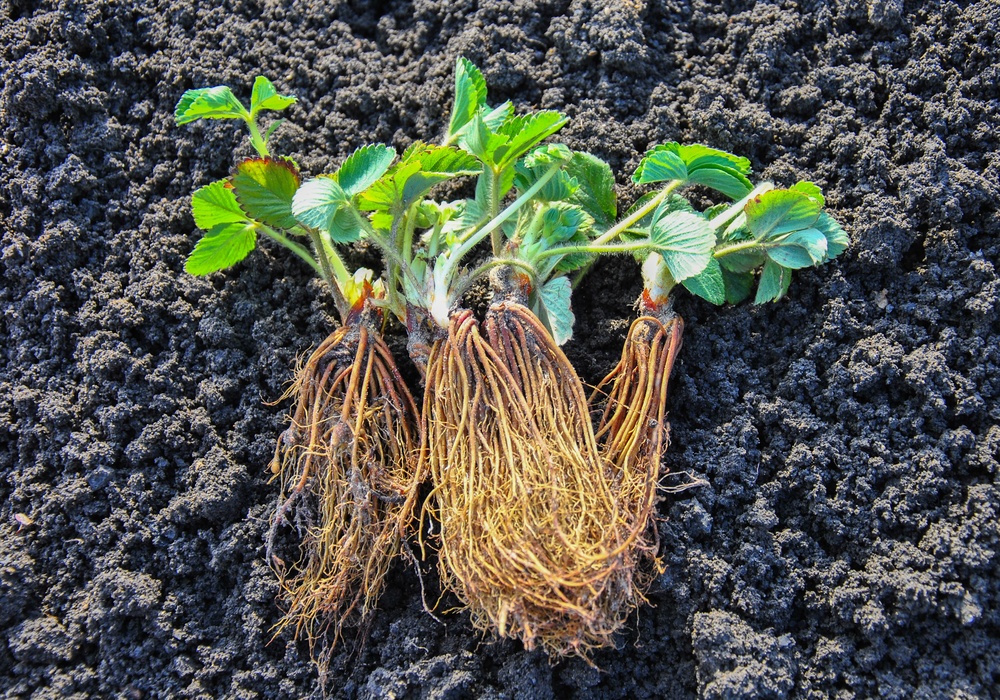
Roots drive everything when it comes to transplanting success. Rough handling, tearing, or exposing roots to air for too long can send a plant into immediate shock. Keeping the root ball intact protects delicate root hairs that absorb water and nutrients, which means the plant can bounce back faster after the move. Digging wide instead of deep helps preserve more of the root system and gives the plant a better chance to adjust without losing stability.
Moisture plays a critical part during this step, and dry roots spell trouble fast. Watering the plant a few hours before transplanting keeps the root ball hydrated and easier to handle without crumbling apart. Once the plant comes out of the ground or container, keeping those roots shaded and covered prevents them from drying out in the open air. Even a few minutes of direct sun on exposed roots can cause stress that lingers long after transplanting finishes.
Careful handling does more than protect the plant physically; it also reduces the overall shock response. A plant that experiences minimal disturbance settles into its new home with far less resistance. Gentle movements, steady hands, and a bit of patience go a long way in keeping roots happy and functional.
Soil Matters More Than You Think
Soil sets the tone for how well a transplanted plant adapts, and ignoring its quality often leads to disappointing results. Dropping a plant into poor, compacted soil limits root expansion and restricts access to water and nutrients. Loosening the soil before planting creates a welcoming environment where roots can spread easily and establish themselves faster. Mixing in compost or organic matter boosts fertility and improves drainage, which helps prevent waterlogging or dryness.
Matching the new soil conditions to the plant’s original environment gives it a smoother transition. Sudden changes in soil texture or pH can confuse roots and slow down their ability to absorb nutrients efficiently. Gradual adjustments work better, especially for sensitive plants that struggle with abrupt shifts. Testing soil before transplanting may sound like overkill, but it provides valuable insight that can prevent long-term issues.
A well-prepared planting hole acts like a soft landing instead of a shock zone. Plants respond quickly to supportive soil conditions, and that initial boost sets the stage for strong growth. Investing time in soil preparation pays off with healthier, more resilient plants that settle in without hesitation.
Water Wisely, Not Wildly
Watering after transplanting often turns into a guessing game, and too much enthusiasm can cause just as many problems as neglect. Giving plants a deep, thorough watering right after transplanting helps settle the soil around the roots and removes air pockets that can dry them out. That first watering acts as a reset, signaling the plant to begin adapting to its new environment.
Consistency matters far more than quantity in the days that follow. Overwatering drowns roots and limits oxygen flow, while underwatering leaves them struggling to reestablish. Checking soil moisture regularly and adjusting based on weather conditions keeps plants in that sweet spot where roots stay hydrated without becoming waterlogged. Mulch can help lock in moisture and regulate soil temperature, which gives transplanted plants an extra layer of protection.
Watering with intention transforms the recovery process. Plants that receive steady, balanced hydration show fewer signs of stress and bounce back faster. A thoughtful approach beats a heavy-handed one every single time.
Reduce Stress After the Move
Transplanting shakes up a plant’s entire system, so easing it back into full exposure makes a huge difference. Direct sunlight right after transplanting can overwhelm a plant that hasn’t reestablished its roots yet. Providing temporary shade helps reduce water loss and gives the plant time to regain strength without fighting harsh conditions.
Wind also plays a bigger role than most people expect. Strong gusts can dry out leaves and disturb newly planted roots, making it harder for the plant to stabilize itself. Using barriers or placing plants in sheltered spots protects them during those first critical days. Keeping an eye on the plant’s appearance offers clues about how it handles the transition, and quick adjustments can prevent small issues from turning into major setbacks.
Patience becomes the secret weapon during this stage. Plants need time to adjust, and pushing them too quickly can undo all the careful work done during transplanting. A little protection and observation go a long way in helping plants settle in comfortably.
Set Plants Up to Thrive, Not Just Survive
Transplanting doesn’t end when the plant goes into the ground. The real success shows up in the days and weeks that follow, when growth resumes and leaves perk up with renewed energy. Keeping a close eye on watering, sunlight, and overall plant health ensures that the transition continues smoothly. Small tweaks in care can make a huge difference, especially during the early stages of adjustment.
Which transplanting trick has worked best, or which challenge still feels tricky? Let’s hear those thoughts, tips, or even a gardening mishap in the comments and keep the conversation growing.
You May Also Like…
How to Grow Tomatoes Successfully Without Buying Store Transplants
Why Spring Transplants Sometimes Fail
Easy Techniques to Strengthen Weak Seedlings Before Transplanting
From Paper Towel to Potting Soil: The Ideal Time to Transplant Your Seedlings
Lettuce: Key Growing and Transplanting Information

Brandon Marcus is a staff writer for FrugalGardening.com at District Media, Inc., where he delivers practical gardening advice with a relatable, no-nonsense style. An avid amateur gardener, he holds a BA degree and with over ten years of professional writing experience, he is also an award-winning published author whose first book, Questions For Deep Thinkers, was released by Adams Media. His work has appeared in major publications including Fandom.com, CHUD.com, TheColdWire.com, and Fansided.com.
Leave a Reply