The start of a new year is the perfect time to dream big, dig deep, and grow not just plants, but skills, habits, and creativity in your garden. Whether you’re a weekend plant warrior or a full-time green-thumb enthusiast, these resolutions will transform your outdoor space and your gardening game. Imagine a year where your flowers bloom brighter, your veggies taste sweeter, and your garden brings more joy than ever before. With a little planning, some elbow grease, and a lot of curiosity, the coming year can become the most vibrant one yet.
Ready to take your garden from ordinary to extraordinary? Let’s dive into twelve resolutions that will make your green space thrive.
1. Expand Plant Diversity In Your Garden
A garden filled with a variety of plants is not just visually stunning—it also strengthens the ecosystem. Introducing new species attracts pollinators, repels pests, and creates a healthier environment for all your flora. Experimenting with flowers, vegetables, and herbs you haven’t grown before keeps things exciting and educational. Consider adding native plants to support local wildlife and soil health. By mixing textures, colors, and shapes, your garden will feel alive and dynamic throughout the year.
2. Master Composting For Healthier Soil
Good soil is the foundation of any thriving garden, and composting is the secret weapon every gardener should wield. Start with kitchen scraps, yard waste, and organic materials to create nutrient-rich compost. This natural fertilizer reduces the need for chemical alternatives and improves soil structure. A healthy compost pile can also teach patience and observation as materials break down over time. By committing to composting, your plants will reward you with stronger roots, brighter blooms, and tastier harvests.
3. Prioritize Sustainable Gardening Practices
Gardening sustainably is more than a trend—it’s a responsibility to the planet. Use water wisely, recycle garden materials, and opt for eco-friendly pest control methods. Consider planting drought-resistant or native species to minimize water consumption. Avoid synthetic fertilizers that can harm beneficial insects and pollute nearby waterways. A commitment to sustainability ensures your garden flourishes while protecting the world around it.
4. Create A Garden Journal
Documenting your gardening journey is both fun and practical. A garden journal lets you track planting dates, bloom cycles, and successes or failures. Sketch layouts, jot down observations, and record weather patterns to improve future growth. Over time, you’ll build a treasure trove of knowledge tailored specifically to your garden. Plus, flipping through past entries is an inspiring reminder of how far you’ve come.
5. Learn Advanced Pruning Techniques
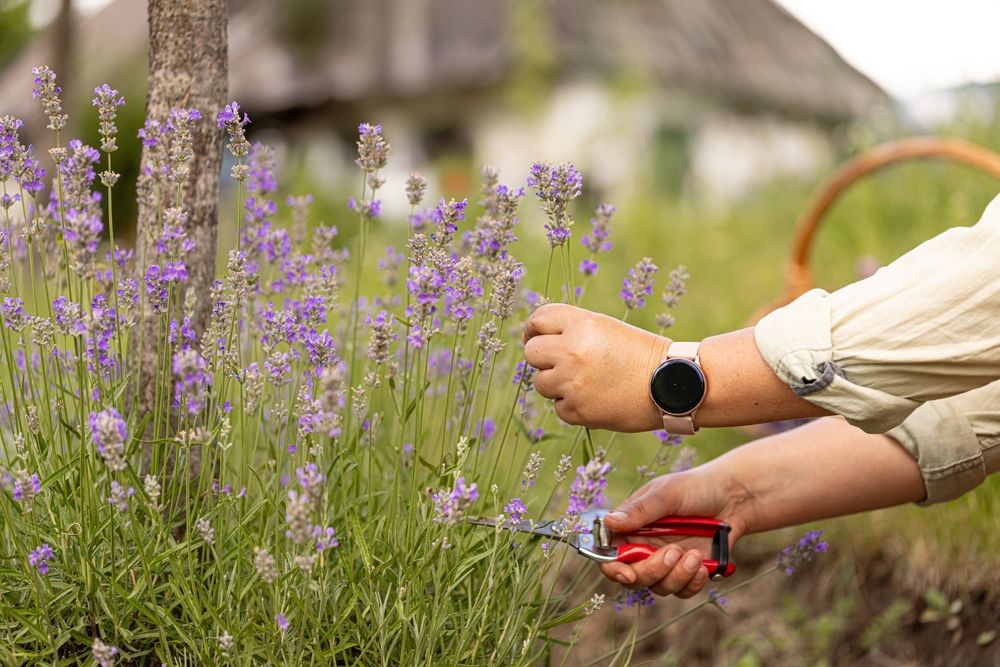
Pruning isn’t just for aesthetics—it’s a science that encourages healthy growth and fruit production. Learn when and how to trim different plants to maximize their potential. Proper pruning prevents disease, improves air circulation, and shapes plants to thrive in your space. Each snip can drastically improve the appearance and productivity of your garden. Embracing this skill turns ordinary shrubs and trees into masterpieces of design and vitality.
6. Grow Your Own Edible Paradise
Eating fresh produce straight from your garden is an unmatched delight. Plan for vegetables, fruits, and herbs that thrive in your climate and season. Experiment with companion planting to enhance flavor and growth while keeping pests away. Not only does homegrown food taste better, but it also reduces trips to the grocery store. Cultivating an edible garden brings satisfaction, health, and a deeper connection to the food you eat.
7. Invest In Pollinator-Friendly Plants
Pollinators like bees, butterflies, and hummingbirds are essential to a flourishing garden. Planting pollinator-friendly flowers ensures better fruit and vegetable production. Bright blooms, aromatic scents, and a variety of shapes attract these vital visitors. Even small spaces, like balconies or window boxes, can become havens for pollinators. Supporting these creatures strengthens the local ecosystem and adds life and motion to your garden.
8. Experiment With Container Gardening
Not every gardener has sprawling acreage, and container gardening offers endless possibilities. Pots, hanging baskets, and raised beds allow you to grow plants virtually anywhere. This method provides flexibility in arranging, rotating, or relocating plants to follow sunlight patterns. Containers also simplify soil management and pest control. Embracing this approach can turn small or challenging spaces into flourishing, productive gardens.
9. Host Garden Gatherings
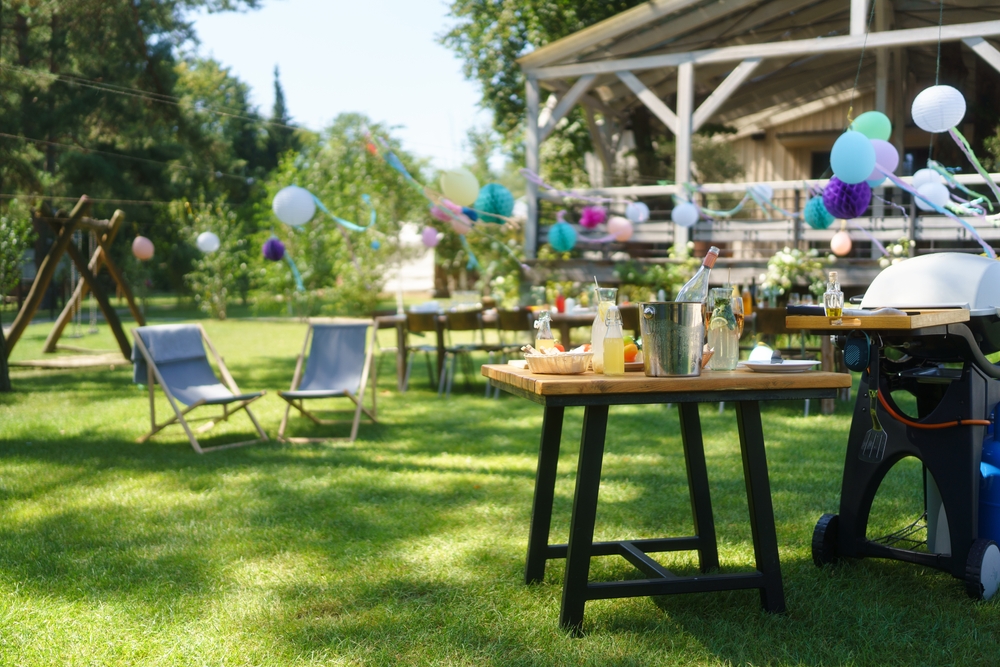
Gardens are meant to be enjoyed, and inviting friends or family to experience your green space brings joy and inspiration. Small gatherings can include tea parties, outdoor dinners, or plant swaps. Sharing tips, stories, and successes with fellow garden lovers fosters community and learning. These moments create memories as vibrant as the flowers themselves. Hosting also motivates you to maintain your garden in top shape year-round.
10. Practice Mindful Gardening
Gardening can be therapeutic when approached with intention. Slow down, observe, and enjoy the sights, scents, and textures of your plants. Mindful gardening reduces stress, improves mental clarity, and strengthens your connection with nature. Take time to appreciate each leaf, bloom, and soil texture. Treat your garden as a sanctuary where both plants and people can flourish.
11. Tackle Weeds With Persistence
Weeds are inevitable, but proactive management keeps them from overwhelming your garden. Develop a routine to pull, dig, or cover unwanted growth before it spreads. Mulching can also prevent weed seeds from germinating and conserve soil moisture. Understanding which weeds are harmless and which are invasive improves efficiency. By facing weeds head-on, your garden remains organized, healthy, and visually pleasing.
12. Set Up Rainwater Harvesting Systems
Water is the lifeblood of any garden, and collecting rainwater saves money while benefiting plants. Install barrels or cisterns to capture runoff from roofs and other surfaces. Use stored rainwater to irrigate during dry periods, reducing reliance on municipal supply. This eco-friendly approach can also help prevent soil erosion and flooding in your yard. With consistent effort, rainwater harvesting becomes a smart, sustainable habit that nurtures every plant.
Make This Your Most Vibrant Garden Year Yet
New Year’s resolutions aren’t just about self-improvement—they can transform the spaces you love. By adopting these twelve garden-focused goals, you’ll cultivate not only plants but also knowledge, creativity, and joy. Watch your garden thrive, your skills expand, and your time outdoors become more fulfilling than ever.
Take these resolutions to heart and see how much growth your green thumb can achieve. We’d love to hear your experiences, successes, or unique gardening moments in the comments section below.
You May Also Like…
9 New Year Garden Habits That Will Completely Transform Your Yard
Start The New Year Off Making Money With Your Own Market Garden
Why January Is the Most Underrated Month for Garden Planning
9 Ways to Use Garden Wire Netting to Protect Plants from Ice Damage
Why Using Native Plants Makes Your Winter Garden Resilient

Brandon Marcus is a staff writer for FrugalGardening.com at District Media, Inc., where he delivers practical gardening advice with a relatable, no-nonsense style. An avid amateur gardener, he holds a BA degree and with over ten years of professional writing experience, he is also an award-winning published author whose first book, Questions For Deep Thinkers, was released by Adams Media. His work has appeared in major publications including Fandom.com, CHUD.com, TheColdWire.com, and Fansided.com.
Leave a Reply