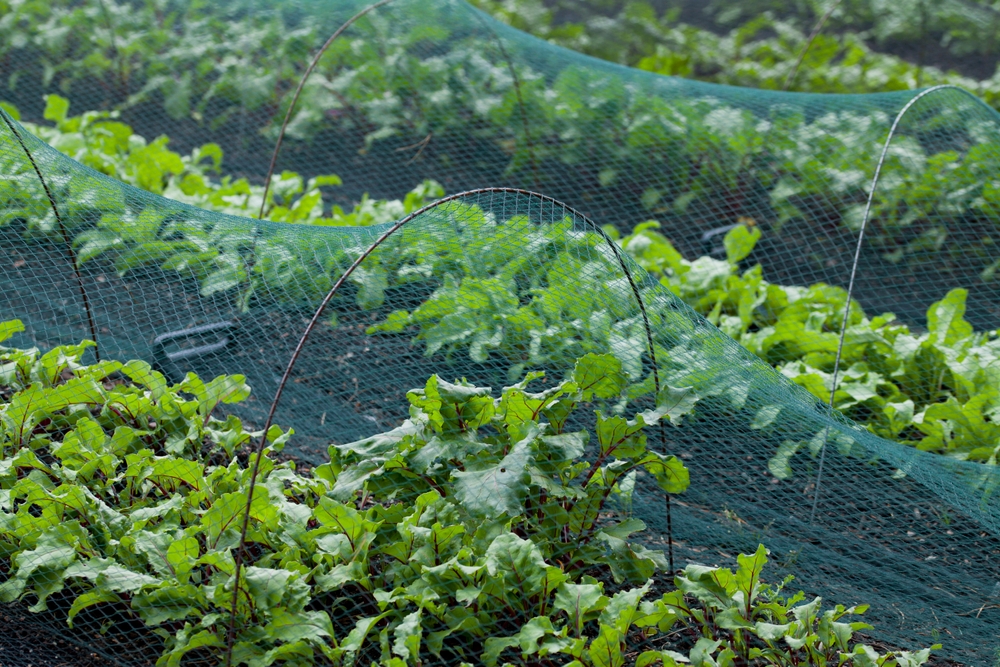
Winter doesn’t politely knock before barging into your garden with icy boots on. One night of freezing rain or sharp frost can undo months of careful planting, pruning, and patient hope. That’s where garden wire and netting step in like quiet heroes, ready to shield tender leaves and brittle stems from nature’s coldest tricks. These humble tools aren’t just for fencing or climbing vines; they’re surprisingly powerful allies against ice damage.
Get ready to see garden wire and netting in a whole new light, because your plants deserve protection that’s clever, affordable, and a little bit ingenious.
1. Build Quick Protective Cages Around Vulnerable Plants
Garden wire can be shaped into simple cages that create a sturdy buffer between ice and delicate plants. These cages support netting or fabric covers without letting them collapse under freezing rain. Air circulation inside the cage helps reduce ice buildup on leaves and stems. The structure also prevents heavy frost blankets from snapping branches overnight. Best of all, these cages can be reused season after season with minimal effort.
2. Create Ice-Deflecting Domes For Tender Shrubs
By bending garden wire into dome shapes, you can form a rounded frame that encourages ice to slide off instead of piling up. Netting stretched over the dome adds an extra layer of protection without trapping moisture. The curved design reduces pressure on branches during sleet storms. Shrubs stay upright and intact even when ice coats everything else. This method works especially well for young or newly planted shrubs.
3. Support Frost Covers Without Crushing Plants
Netting and wire frames keep frost covers elevated above plants where they belong. Direct contact between icy fabric and leaves can actually increase damage during hard freezes. A simple wire framework ensures that cold air stays out while plant tissue stays untouched. The result is better insulation and less breakage. Plants emerge healthier once temperatures rise again.
4. Reinforce Branches Against Ice Weight
Ice accumulation can turn light branches into heavy liabilities in just hours. Garden wire can be gently used to bundle or brace branches together for added strength. Netting helps distribute weight evenly instead of letting ice concentrate on one weak point. This reinforcement reduces splitting and snapping during storms. Trees and shrubs retain their natural shape instead of suffering permanent damage.
5. Protect Raised Beds With Netting Tunnels
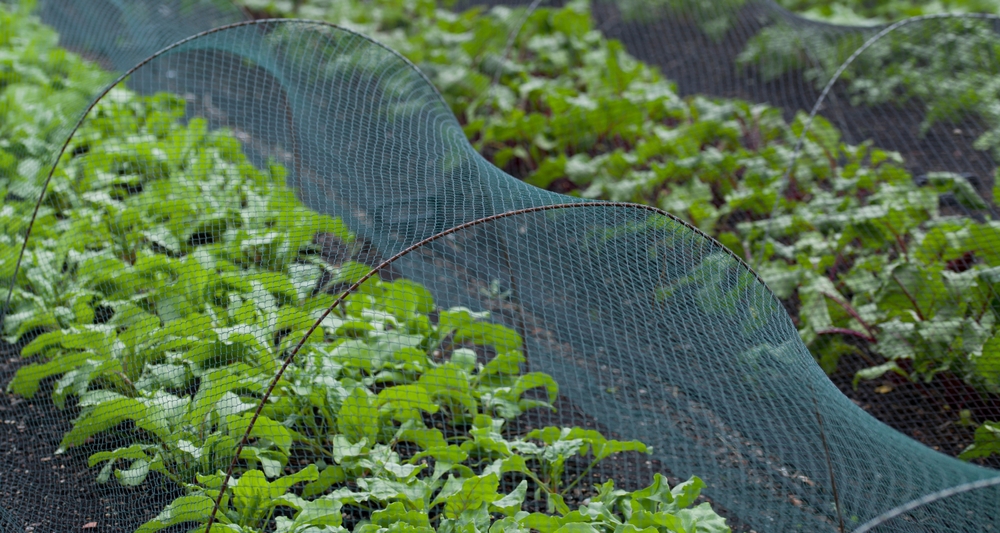
Raised beds are especially vulnerable to cold air sweeping underneath plants. Wire hoops combined with netting create low tunnels that block icy wind. These tunnels trap slightly warmer air near the soil surface. Ice forms on the netting instead of directly on your plants. Your winter greens and early spring crops gain a crucial survival advantage.
6. Shield Evergreens From Freezing Rain
Evergreens may look tough, but ice can weigh down their needles and branches dangerously fast. Garden wire frames give netting a solid structure to intercept freezing rain. This barrier minimizes ice buildup on foliage. Branches stay lighter and less stressed throughout the storm. Come spring, evergreens bounce back with fewer broken limbs.
7. Anchor Protective Covers Securely In High Winds
Winter storms rarely bring ice alone, and strong winds can ruin poorly secured plant protection. Garden wire acts as a reliable anchor to keep netting in place. It prevents covers from flapping, tearing, or blowing away entirely. Stable protection means consistent insulation through the coldest nights. Your plants remain covered when they need it most.
8. Separate Plants To Prevent Ice Bonding
When plants are crowded, ice can bond them together into one frozen mass. Netting supported by wire creates gentle separation between stems and leaves. This spacing reduces tearing when ice melts and plants shift. Individual plants are less likely to be pulled or snapped. The garden stays organized and far less damaged after a freeze.
9. Prepare Reusable Winter Protection Systems
Garden wire and netting allow you to build protection systems that last beyond one winter. Frames can be stored, adjusted, and redeployed as needed. This approach saves money compared to single-use materials. It also encourages proactive garden planning before ice hits. Over time, your winter setup becomes as routine as spring planting.
Turn Winter From Enemy To Challenge
Ice damage doesn’t have to be an unavoidable disaster lurking in every forecast. With garden wire and netting, you gain control, flexibility, and confidence when cold weather threatens your plants. These simple tools transform panic into preparation and losses into learning experiences. Every garden has its own winter stories, successes, and hard-earned lessons.
Drop your thoughts, tips, or icy garden tales in the comments section below and join the conversation.
You May Also Like…
The Watering Schedule That Saves Roots — and Prevents Ice Damage
10 Crops That Attract Mice if Left Uncovered
What Gardeners Should Do Before the Frost to Avoid Disaster
The Hidden Frost Zones in Your Yard That Kill More Plants Than You Think
What Happens to Plants If You Use Enviro Ice on Them?

Brandon Marcus is a staff writer for FrugalGardening.com at District Media, Inc., where he delivers practical gardening advice with a relatable, no-nonsense style. An avid amateur gardener, he holds a BA degree and with over ten years of professional writing experience, he is also an award-winning published author whose first book, Questions For Deep Thinkers, was released by Adams Media. His work has appeared in major publications including Fandom.com, CHUD.com, TheColdWire.com, and Fansided.com.
Leave a Reply