
Winter frost glimmers on rooftops, and the chill bites at your fingertips, but January holds a secret power that most gardeners overlook. While many people see it as a dead zone for planting, this month is actually a golden opportunity to set the stage for a spectacular garden season. Garden planning in January isn’t just about dreaming—it’s about strategy, creativity, and preparation. The quiet calm of this month gives gardeners the mental space to envision lush landscapes, bountiful blooms, and thriving vegetables before the spring rush begins.
Those who harness January’s potential often find themselves leaps ahead when the first shoots of spring appear.
January Offers A Strategic Head Start On Seeds
January is prime time for thinking ahead to the growing season. Starting seed catalogs and making detailed lists of what you want to plant gives you a huge advantage. Early seed selection allows you to snag rare or in-demand varieties before they sell out. Planning now means you can schedule indoor sowing for peppers, tomatoes, and herbs without panic. A small January action ensures months of smoother gardening, reducing stress and giving you confidence when planting season arrives.
Soil Preparation Begins In The Mind
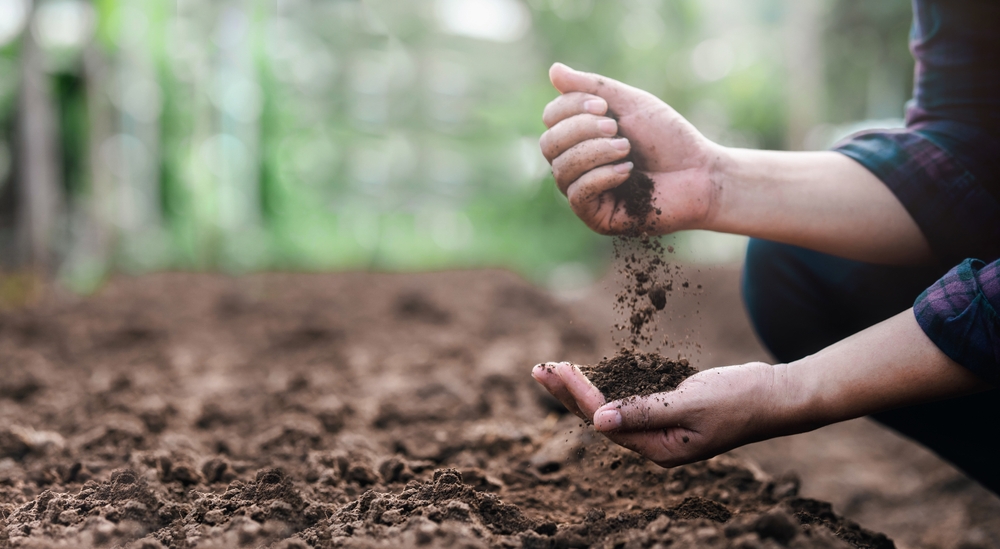
While the ground outside may be frozen, January is the perfect month to mentally plan soil improvements. Consider composting, pH balancing, and soil amendments now to have a detailed plan ready for spring. Mapping out garden beds and rotation schedules ensures that when the soil thaws, you’re ready to dive in. Planning ahead can prevent overplanting or nutrient depletion later. Your future plants will thank you for a well-thought-out foundation before they even touch the soil.
Winter Research Supercharges Garden Knowledge
January’s slow pace is ideal for hitting the books—or scrolling through blogs, forums, and videos. Learning about companion planting, pest control strategies, and new gardening techniques gives you a knowledge advantage. Reading now reduces mistakes later and inspires fresh ideas for layout and plant combinations. You can test new strategies in small ways indoors before applying them in the garden. A January filled with research transforms uncertainty into practical, confident decisions.
Budgeting And Supply Planning Saves Time And Money
Gardening can get expensive if purchases are left to last-minute panic. January provides the perfect window to plan budgets, order seeds, and stock up on soil, pots, or fertilizers. Buying supplies early can avoid shipping delays or sold-out items during the spring rush. Thoughtful budgeting also allows for splurges on special plants without guilt. Planning your purchases in January helps ensure the garden grows without financial surprises.
Indoor Gardening And Early Starts Create Excitement
Even if frost covers the garden, January offers opportunities to grow indoors. Seed trays, microgreens, and herb windowsills bring fresh greenery into your home during the bleakest month. These early projects give gardeners a taste of spring and provide valuable hands-on experience. Indoor growing can reveal which varieties thrive and which may need extra care once transplanted outdoors. Starting small now fuels momentum and excitement for the main season.
Goal Setting Turns Dreams Into Action
January is a natural time for resolutions, and gardening goals are no exception. Whether it’s expanding a vegetable patch, experimenting with new flowers, or creating a pollinator-friendly garden, now is the moment to define objectives. Writing down goals clarifies what’s realistic and what requires extra effort. Establishing concrete targets now allows you to measure success and track growth throughout the year. These intentional plans make gardening feel purposeful rather than reactionary.
Community And Expert Resources Are Readily Available
Many garden clubs, local extension offices, and online forums host workshops and discussions during January. It’s a quieter time for experts to engage with gardeners before the busy planting season begins. Attending talks or joining online communities can spark new ideas and provide practical advice. Networking with fellow gardeners now builds connections that benefit your garden all year. Early engagement also exposes you to trends, rare seeds, and tried-and-true techniques that you may not discover later.
Weather Patterns Offer Insight For Planning
Even in winter, observing weather trends can inform your gardening decisions. Tracking frost dates, rainfall patterns, and temperature fluctuations helps schedule planting and protection strategies. Historical data combined with careful observation provides a blueprint for crop rotation and seasonal planting. You can anticipate challenges such as late frosts or early heat waves before they arrive. January’s observations allow for a proactive rather than reactive approach to the garden.
Creativity And Visualization Lead To A Dream Garden
A month without heavy gardening demands gives your mind space to explore bold ideas. Sketching garden layouts, experimenting with color schemes, or imagining unique garden themes thrives in January. Visualization can prevent overcrowding and ensure complementary plant pairings. Trying unconventional ideas mentally now avoids costly mistakes later. This creative energy sets the stage for a garden that feels intentional and full of personality.
January Reduces Gardening Stress Later
Perhaps the most underrated aspect of January planning is peace of mind. By taking time now to map out your year, order supplies, and refine strategies, you avoid last-minute scrambling. Stress-free preparation leads to more enjoyable gardening, increased productivity, and higher success rates. Gardens started with forethought often flourish beyond expectations. Ultimately, January is an investment in calm, confident, and joyful gardening.
Your Thoughts Matter
January may seem cold and uneventful, but it’s a secret powerhouse for garden preparation. From strategic planning and indoor experiments to research and community connections, this month lays the groundwork for a thriving garden year. By embracing January’s potential, gardeners turn a quiet month into a launching pad for creativity, growth, and success.
Now it’s your turn—tell us about your January gardening experiences or tips in the comments section below. Every story helps inspire a more vibrant gardening season for everyone.
You May Also Like…
8 Garden Sheds You Should Insure for the Winter Months
Are Your Garden Containers Rated for Frost or Will They Crack?
10 Terrariums Indoor Greenhouses You Can Set Up This Winter
11 Winter Flowering Bulbs to Plant in December
How to Build a Garden Routine That Works While It’s Too Cold to Dig

Brandon Marcus is a staff writer for FrugalGardening.com at District Media, Inc., where he delivers practical gardening advice with a relatable, no-nonsense style. An avid amateur gardener, he holds a BA degree and with over ten years of professional writing experience, he is also an award-winning published author whose first book, Questions For Deep Thinkers, was released by Adams Media. His work has appeared in major publications including Fandom.com, CHUD.com, TheColdWire.com, and Fansided.com.
Leave a Reply