
Winter can be a battlefield for gardeners. Frost bites, icy winds, and endless gray skies test even the most dedicated plant lover. Yet, there’s a secret weapon hiding in plain sight: native plants. These local heroes aren’t just surviving—they’re thriving, turning your winter garden into a resilient, low-maintenance paradise.
From dazzling textures to surprising bursts of color, native plants bring winter gardens to life in ways that imported varieties simply can’t match.
Native Plants Naturally Withstand Harsh Winters
Native plants have evolved over centuries to cope with your region’s exact climate conditions. This means they can endure snow, ice, and frigid temperatures without constant attention. Unlike exotic plants, which often need protective covers or constant watering, natives know how to survive on their own. They have built-in defenses, from frost-hardy leaves to deep root systems that anchor them in icy soil. Choosing natives reduces the stress on both you and your garden during the coldest months.
Local Roots Support Wildlife And Pollinators
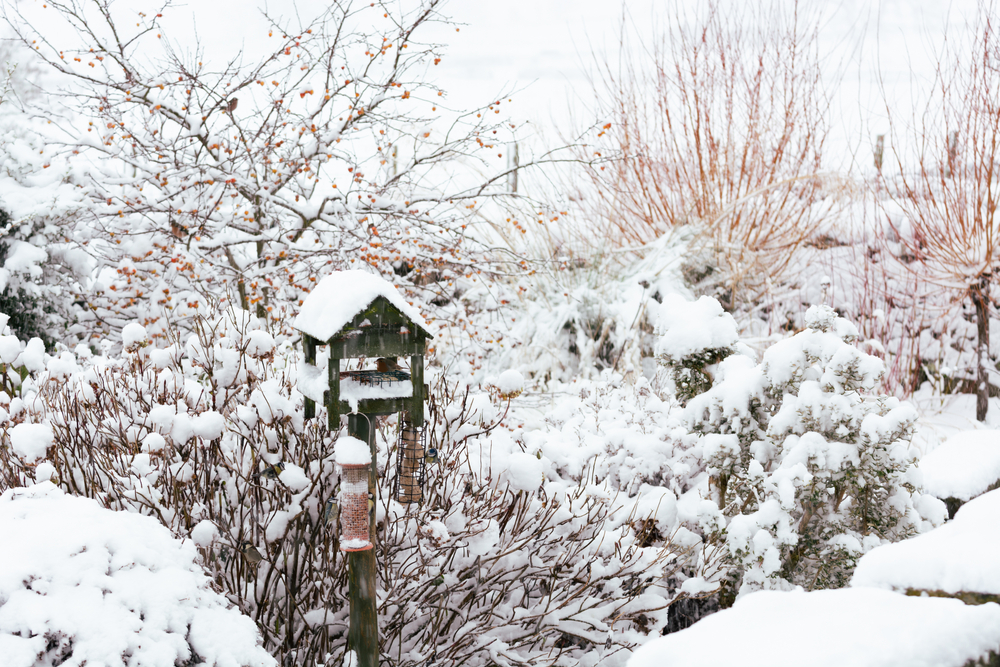
Winter isn’t just tough for humans—it’s tough for wildlife too. Native plants provide essential shelter and food for birds, insects, and small mammals even in the bleakest months. Berry-producing shrubs and evergreens give birds a much-needed feast when other food sources vanish. By planting natives, you create a miniature ecosystem that keeps winter alive and buzzing with life. Your garden becomes a sanctuary, drawing wildlife that naturally belongs to your area.
Reduced Maintenance Saves Time And Energy
When winter hits, gardening chores can feel overwhelming. Native plants are low-maintenance because they’ve adapted to your local soil, weather, and seasonal changes. They require less watering, less fertilizing, and less fuss overall. This means you spend more time enjoying the view from your window and less time bundled up battling frozen hoses. A garden full of natives thrives quietly while you sip hot cocoa indoors, a win-win scenario for both plant and gardener.
Winter Color And Texture Bring Life To Gray Landscapes
Native plants aren’t just hardy—they’re visually stunning during winter’s dull months. Think fiery red stems of dogwood, silvery grasses swaying in the wind, or evergreens with textured needles. These plants add depth, movement, and unexpected pops of color when everything else looks tired. Even the humble seed heads of native flowers become sculptural and elegant against snow. By choosing natives, your garden avoids the winter blahs and turns gray landscapes into a canvas of winter wonder.
Soil Health Improves Naturally With Native Choices
Many gardeners overlook the importance of soil health, but native plants make it effortless. Their root systems are perfectly adapted to local soil conditions, reducing erosion and promoting microbial diversity. Over time, this creates richer, more fertile soil that benefits every plant in your garden. Unlike non-natives, which can deplete nutrients or require chemical support, natives work in harmony with the earth. Healthy soil means a garden that can bounce back year after year, no matter how harsh the winter.
Climate Adaptability Protects Against Weather Extremes
Winter weather can be unpredictable, swinging from mild to extreme in a matter of days. Native plants have developed resilience against these fluctuations, giving your garden a buffer against sudden freezes or unseasonable thaws. Their adaptability allows them to recover quickly from damage and continue growing when conditions stabilize. Exotic plants, on the other hand, can collapse under stress, leaving you scrambling for replacements. Natives act like winter superheroes, keeping your landscape stable through all kinds of weather chaos.
Sustainable Gardening Reduces Environmental Impact
Choosing native plants isn’t just smart for your garden—it’s smart for the planet. They require fewer resources like water, fertilizers, and pesticides, which reduces your environmental footprint. Less runoff, fewer chemicals, and less water consumption all add up to a garden that works with nature, not against it. This sustainable approach benefits local ecosystems far beyond your own backyard. By planting natives, you’re creating a garden that thrives responsibly and leaves a positive impact for generations.
Encouraging Pollinator Survival Year-Round
While summer gets all the glory for pollinators, winter survival is equally crucial. Many native plants produce seeds, berries, or shelter that sustain pollinators through lean months. By planting these resilient species, you support bees, butterflies, and other insects that are vital to your garden’s future. A pollinator-friendly winter garden ensures that spring comes alive with buzzing activity and vibrant blooms. It’s a cycle of support that starts with the plants you choose now.
Join The Native Plant Winter Revolution
Your winter garden doesn’t have to be dormant, dreary, or high-maintenance. By embracing native plants, you create a landscape that thrives, supports wildlife, reduces work, and looks stunning no matter the weather. Every stem, leaf, and berry adds resilience and beauty, proving that native choices are far from boring.
Have you tried native plants in your winter garden? Tell us your experiences, tips, or favorite winter-hardy species in the comments section below.
You May Also Like…
5 Christmas Tree Alternatives That Double as Garden Plants
8 Winter Garden Paving & Path Ideas for Snowy Landscapes
9 Budget-Friendly Winter Garden Projects You Can Finish Before Spring
How to Use Berry-Bearing Shrubs for Winter Garden Drama
13 Ways to Use Evergreens, Berries & Bark for Winter Garden Interest

Brandon Marcus is a staff writer for FrugalGardening.com at District Media, Inc., where he delivers practical gardening advice with a relatable, no-nonsense style. An avid amateur gardener, he holds a BA degree and with over ten years of professional writing experience, he is also an award-winning published author whose first book, Questions For Deep Thinkers, was released by Adams Media. His work has appeared in major publications including Fandom.com, CHUD.com, TheColdWire.com, and Fansided.com.
Leave a Reply