
The start of a new year brings a rare kind of energy, the kind that makes you believe real change is not only possible but exciting. Your garden feels that energy too, whether it’s a tired lawn begging for purpose or a collection of plants that never quite came together. This is the moment when small, intentional habits can spark dramatic transformations that last all year long.
Gardening success is not about grand gestures or expensive tools, but about repeating smart actions at the right time. If you commit to these new year garden habits now, your yard won’t just look better, it will feel alive with momentum.
1. Set Clear Garden Goals Before You Plant Anything
The fastest way to change how your yard looks is to change how you plan it, and that begins with setting clear, realistic goals. Decide whether this year is about lush color, low maintenance, food production, wildlife support, or a smart blend of all four. When you define success early, every plant purchase and weekend project suddenly has direction instead of guesswork. Write your goals down and keep them visible so impulse buys don’t derail your vision halfway through spring. A focused plan saves money, saves time, and turns scattered effort into visible progress.
2. Test And Improve Your Soil Instead Of Guessing
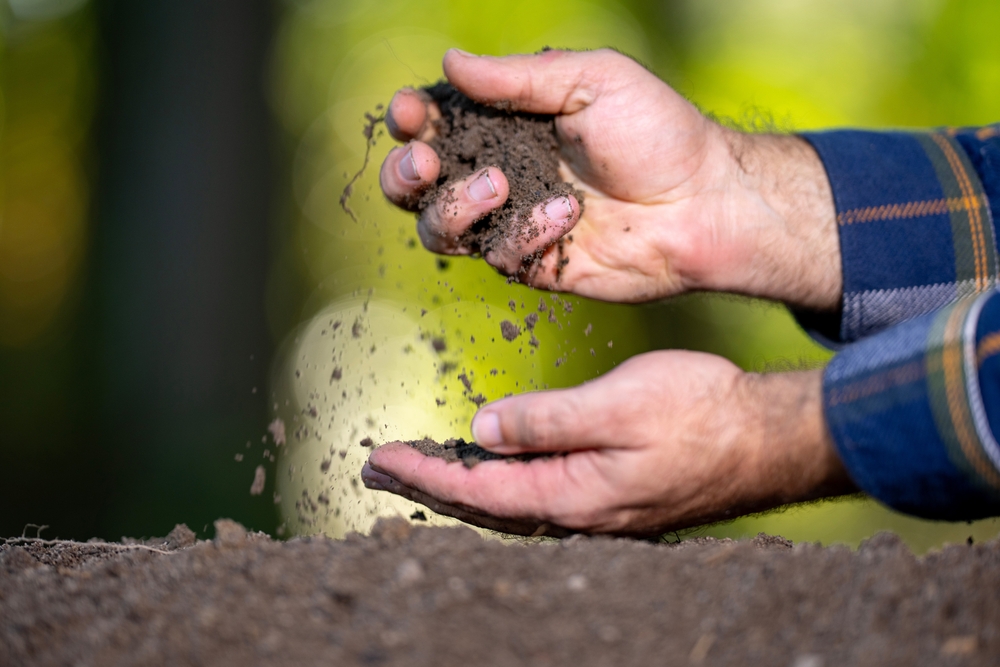
Healthy gardens are built from the ground up, yet soil is often the most ignored part of the process. A simple soil test reveals whether your yard needs nutrients, better drainage, or pH adjustments before problems appear. Improving soil with compost or organic matter creates stronger roots, healthier plants, and fewer pests over time. This habit turns struggling beds into resilient spaces that bounce back faster from heat, drought, and heavy rain. When your soil improves, everything planted in it performs better with less effort.
3. Choose Plants That Match Your Climate And Lifestyle
One of the biggest gardening frustrations comes from fighting nature instead of working with it. Selecting plants suited to your climate, sunlight, and water availability dramatically increases your success rate. Your lifestyle matters too, because low-maintenance plants are a gift if your schedule is packed. Native and climate-adapted plants attract pollinators while demanding less attention once established. This habit transforms your garden from a constant chore into a space that mostly takes care of itself.
4. Create A Simple Seasonal Maintenance Routine
Gardens thrive on consistency, not random bursts of attention. A basic seasonal checklist helps you stay ahead of weeds, pruning, feeding, and pest issues. When tasks are spread throughout the year, they feel manageable instead of overwhelming. This routine keeps small problems from becoming expensive or exhausting fixes later. Over time, your garden responds with steadier growth and fewer surprises.
5. Water Smarter Instead Of Watering More
More water does not always mean healthier plants, and overwatering often causes deeper issues. Learning when and how to water encourages roots to grow deeper and stronger. Early morning watering reduces evaporation and limits disease, making every drop count. Using drip irrigation, soaker hoses, or mulch dramatically improves moisture retention. Smart watering habits conserve resources while producing visibly healthier plants.
6. Prune With Purpose And Proper Timing
Pruning is not about cutting randomly but about guiding growth in a thoughtful way. Understanding when to prune different plants prevents stress and encourages better flowering or fruiting. Removing dead or crossing branches improves air circulation and plant structure. Purposeful pruning also reduces pest habitats and disease spread. This habit keeps your garden looking intentional rather than overgrown.
7. Mulch Like A Pro For Year-Round Benefits
Mulch is one of the most powerful yet underrated tools in gardening. A proper mulch layer regulates soil temperature and locks in moisture during extreme weather. It suppresses weeds before they ever see sunlight, saving hours of work later. Organic mulches slowly break down, improving soil quality over time. With this habit, your garden stays cleaner, healthier, and more resilient all year.
8. Keep A Simple Garden Journal Or Photo Log
Tracking what happens in your garden creates valuable insight you cannot get from memory alone. A journal or photo log shows what thrived, what struggled, and when key changes occurred. This record helps you make smarter decisions next season without repeating mistakes. Patterns become obvious when you look back, especially with pests, bloom times, or weather impacts. Gardening becomes easier and more rewarding when you learn directly from your own space.
9. Observe Your Garden Weekly Without Doing Anything
Sometimes the most powerful habit is simply paying attention. Walking through your garden each week reveals early signs of stress, pests, or nutrient issues. Observation builds intuition and confidence that no book or video can replace. These quiet moments help you appreciate progress instead of only noticing flaws. A garden you observe regularly becomes a garden you truly understand.
Make This The Year Your Yard Finally Clicks
New year garden habits don’t require perfection, only commitment and curiosity. Each small action builds on the last, creating momentum that carries your yard forward season after season. Gardening becomes less reactive and more intentional when habits replace guesswork.
If you have experiences, lessons, or favorite routines that changed your own garden, drop your thoughts or stories in the comments section below. Your insight might be exactly what inspires another gardener to begin their transformation.
You May Also Like…
Start The New Year Off Making Money With Your Own Market Garden
10 Gardening Habits That Are Actually Destroying Your Soil
12 Creative Garden Borders You Can Install in December
How Your Garden’s Colour Palette Changes when the Leaves Are Gone
How to Use Berry-Bearing Shrubs for Winter Garden Drama

Brandon Marcus is a staff writer for FrugalGardening.com at District Media, Inc., where he delivers practical gardening advice with a relatable, no-nonsense style. An avid amateur gardener, he holds a BA degree and with over ten years of professional writing experience, he is also an award-winning published author whose first book, Questions For Deep Thinkers, was released by Adams Media. His work has appeared in major publications including Fandom.com, CHUD.com, TheColdWire.com, and Fansided.com.
Leave a Reply