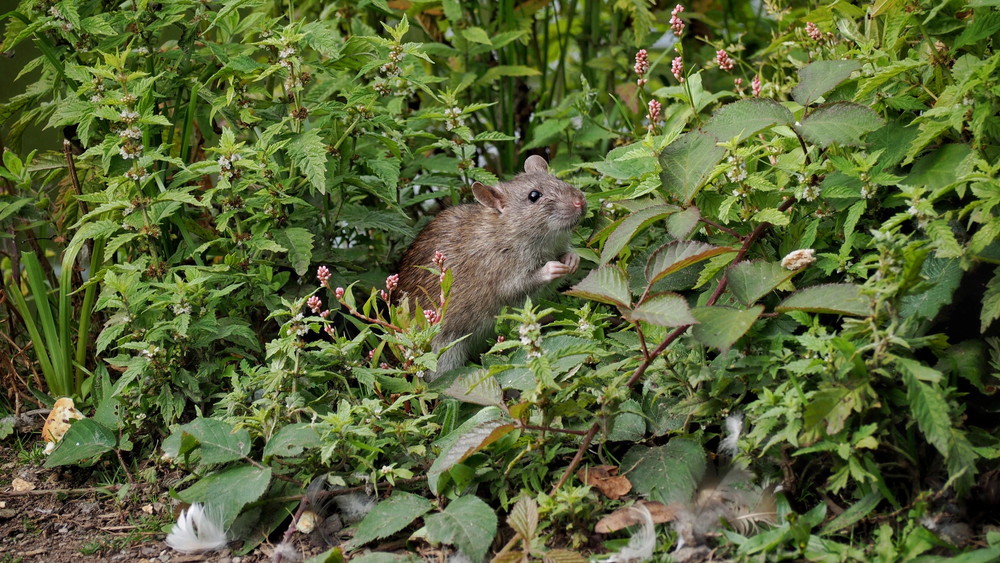
The moment the temperatures drop and the first frost settles, rodents across your yard seem to hold an annual strategy meeting about which of your tree trunks they’re going to gnaw on next. It’s almost as if they wait all year for winter to arrive so they can treat your landscape like an all-you-can-eat bark buffet. While you’re inside sipping something warm and pretending everything outside is peacefully dormant, tiny teeth are sharpening with enthusiasm. And if they get their way, your trees could emerge from winter looking like a snack wrapper instead of a thriving part of your yard.
Fortunately, with the right techniques, tools, and timing, you can outsmart these winter freeloaders long before they leave bite marks behind.
Why Rodents Target Your Trees During Winter
Rodents chew tree trunks in winter because food sources suddenly vanish and bark becomes one of the few remaining options. As snow builds up, it gives animals like voles and mice a convenient tunnel system that leads straight to the base of your trees. During these colder months, the nutrient-rich inner bark becomes irresistible, offering both calories and hydration. Chewing is also a survival behavior for rodents, as their teeth never stop growing and must be worn down constantly. Understanding their motivation makes it much easier to protect your trees effectively.
Use Physical Barriers Before the First Frost Hits
One of the best defenses against winter gnawing is to create a physical barrier rodents can’t bite through. Tree guards made of plastic, mesh, or metal provide a sturdy layer of protection around the trunk. The key is to wrap the base snugly while still allowing room for the tree to grow, avoiding damage to the bark beneath. The guards should extend several inches below soil level to stop burrowing rodents from sneaking underneath. Installing these barriers early ensures the trees are protected long before rodents begin scouting for winter snacks.
Clear Debris That Rodents Use as Hiding Spots
Leaves, fallen branches, and overgrown grass may look harmless, but rodents see these as luxury housing options. When debris piles up around your trees, it gives pests the perfect place to hide—and chew—in peace. By clearing out clutter before winter sets in, you remove the cover that encourages rodents to settle near your tree trunks. A clean landscape may not guarantee total protection, but it dramatically reduces the likelihood that rodents will feel comfortable hanging around. A few minutes of fall cleanup can save you months of frustration when snow begins to melt.
Try Repellents That Announce “Do Not Chew”
Sometimes rodents need a little extra persuasion, and that’s where repellents come in. Scent-based repellents use odors rodents despise, such as garlic or hot pepper, to create an invisible barrier around your trees. Taste repellents, once applied to the bark, ensure that any rodent bold enough to take a bite immediately regrets the decision. These treatments need reapplication throughout the season, especially after precipitation, but the payoff can be tremendous. When used alongside other methods, repellents help discourage even the most stubborn winter chewers.
Manage Snow Levels Around Your Trees
Snow might look soft and harmless, but it’s basically an escalator for rodents trying to climb and chew higher on your tree trunks. By regularly clearing snow away from the bases of your trees, you eliminate the tunnel and ladder system rodents rely on. Lower snow levels also make it harder for them to hide, turning your yard into less of a winter playground. This simple habit can make a huge difference without requiring special products or equipment. Consistency is key, as each new snowfall gives rodents a fresh opportunity.
Encourage Natural Predators in Your Landscape
Rodents are far less bold when they sense predators nearby, and you can use this instinct to your advantage. Owls, hawks, foxes, and even outdoor cats help reduce rodent populations naturally during winter. You can attract beneficial wildlife by installing owl boxes, minimizing artificial lighting, and keeping parts of your yard open for easy hunting. While predators won’t eliminate every threat, they do help keep rodent numbers manageable. When nature helps do the work, your trees gain an extra layer of winter protection.
Don’t Forget To Inspect Your Trees Throughout Winter
Even with precautions in place, winter tree care should never be a “set it and forget it” operation. Rodents are determined creatures, and the moment they find a weakness, they’ll take advantage of it. By checking your trees periodically, you can catch bite marks early before they grow into major injuries. Quick inspection also helps you spot damaged guards, low snow areas, or missing repellents that need immediate attention. A few winter walk-throughs are all it takes to stay ahead of trouble.
Prepare Your Yard Early for the Best Results
Timing is one of the most underrated parts of protecting your trees from rodents. Waiting until deep winter makes it far harder to stop damage that’s already begun. By preparing in late fall, you get ahead of both the cold and the rodents that are preparing for their seasonal feeding routines. Early action also lets you combine methods more effectively, as each layer of protection builds on the next. When preparation becomes habit, your trees can enter winter strong and exit even stronger.
Use Mulch Wisely Around Your Trees
Mulch helps trees retain moisture and stay healthy through winter, but using too much can be counterproductive. Thick mulch provides rodents with soft, warm bedding that encourages them to nest dangerously close to your tree trunks. A thinner layer placed a few inches away from the base strikes the perfect balance between tree health and rodent control. The goal is to support the tree without creating a rodent resort. As long as you apply mulch strategically, it becomes a tool for protection instead of an accidental invitation.
How Consistency Saves Trees Year After Year
Tree protection isn’t just a one-season effort—it’s a mindset that pays off every winter. When you apply your methods consistently, rodents learn fast that your yard is too much trouble to bother with. Over time, you’ll notice fewer bite marks, healthier bark, and stronger tree growth each spring. The result is a yard full of trees that can withstand winter challenges with ease. Consistency transforms your property from an easy feeding zone into a rodent-resistant fortress.
Your Trees Can Thrive Even in the Toughest Winters
Winter doesn’t have to be a season of chewed bark and frustrated homeowners. By combining smart preparation, physical barriers, and simple maintenance habits, you can make your trees far less appealing to winter rodents. These small efforts add up quickly and protect your landscape from damage that can take years to reverse.
What rodent-related challenges have you faced in the past? Share your thoughts, experiences, or winter tree-care stories in the comments section for others to hear.
You May Also Like…
- Why Rodent Populations Spike in Autumn Gardens
- 6 Garden Pests That Hibernate in Your Soil
- How to Protect Root Crops From Hungry Rodents
- 8 Cabbage Varieties That Tolerate Frost
- 10 Crops That Attract Mice if Left Uncovered

Brandon Marcus is a staff writer for FrugalGardening.com at District Media, Inc., where he delivers practical gardening advice with a relatable, no-nonsense style. An avid amateur gardener, he holds a BA degree and with over ten years of professional writing experience, he is also an award-winning published author whose first book, Questions For Deep Thinkers, was released by Adams Media. His work has appeared in major publications including Fandom.com, CHUD.com, TheColdWire.com, and Fansided.com.
Leave a Reply