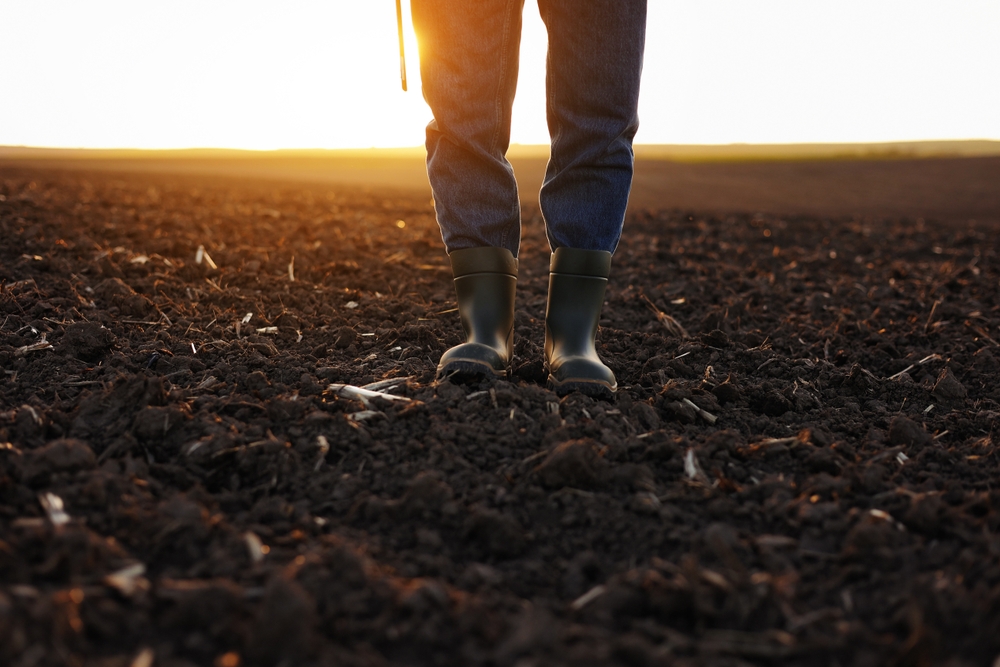
Snow crunches underfoot, breath fogs the air, and the garden looks asleep. It feels harmless to wander across dormant beds or cut a shortcut over the vegetable patch while everything is frozen solid. That innocent winter stroll, though, is exactly what makes extension agents groan every year.
Long before seeds are sown, a surprising amount of spring failure is already locked into the soil by a single, repeatable cold-season habit. If your garden struggles to drain, roots stall, or plants never quite thrive, the culprit may be your winter footsteps.
Walking On Frozen Or Wet Garden Soil
Extension agents consistently point to foot traffic as one of the most underestimated causes of garden trouble. When soil is frozen, it feels rock-hard and indestructible, which makes it tempting to treat beds like sidewalks. The problem is what happens when temperatures rise and that frozen soil thaws. The pressure from walking compresses soil particles closer together, destroying the tiny air pockets roots depend on for oxygen and water movement.
Compacted soil drains poorly, warms slowly, and makes it difficult for roots to penetrate deeply. Over time, even a few winter walks can create dense layers that persist all season. Plants growing in compacted soil often show stunted growth, yellowing leaves, and reduced yields despite proper watering and fertilizing.
Why Winter Compaction Is Worse Than Summer Damage
Soil compaction can happen any time of year, but winter makes it especially damaging. Frozen or saturated soil is structurally fragile, even if it feels solid under boots. When weight is applied, soil aggregates collapse rather than springing back. Extension agents explain that winter compaction tends to be deeper and longer-lasting than summer compaction, which can sometimes be eased by normal biological activity. Earthworms, roots, and microbes are mostly inactive in winter, so there is little natural repair happening. By spring, gardeners are left with soil that resists loosening and clumps instead of crumbling. That makes seedbed preparation harder and often leads gardeners to over-till, which compounds the problem.
The Hidden Effects On Roots And Microbes
Healthy gardens rely on more than just nutrients; they depend on living soil. Beneficial microbes, fungi, and tiny organisms create channels that help roots explore and access water. When soil is compacted by winter traffic, those living networks are crushed. Extension agents note that reduced microbial activity can limit nutrient availability even when soil tests look fine. Roots forced to grow in compacted soil tend to stay shallow, making plants more vulnerable to drought and temperature swings. Poor aeration also increases the risk of root diseases, especially in cool, wet spring conditions. The result is a garden that never quite hits its stride, even with attentive care.
How Snow And Ice Make The Problem Worse
Snow cover often gives gardeners a false sense of protection. While snow can insulate soil from extreme cold, it does not prevent compaction from foot traffic. In fact, snow can mask soft spots where soil underneath is unfrozen or saturated. Walking on these areas pushes water out of soil pores and collapses structure even more severely. Repeated freeze-thaw cycles then lock that damage in place.
Extension agents also warn that areas where snow is piled repeatedly, such as near paths or driveways, often experience heavier compaction. When spring arrives, those spots are usually the last to drain and the slowest to support healthy plant growth.
Smarter Winter Habits Extension Agents Recommend
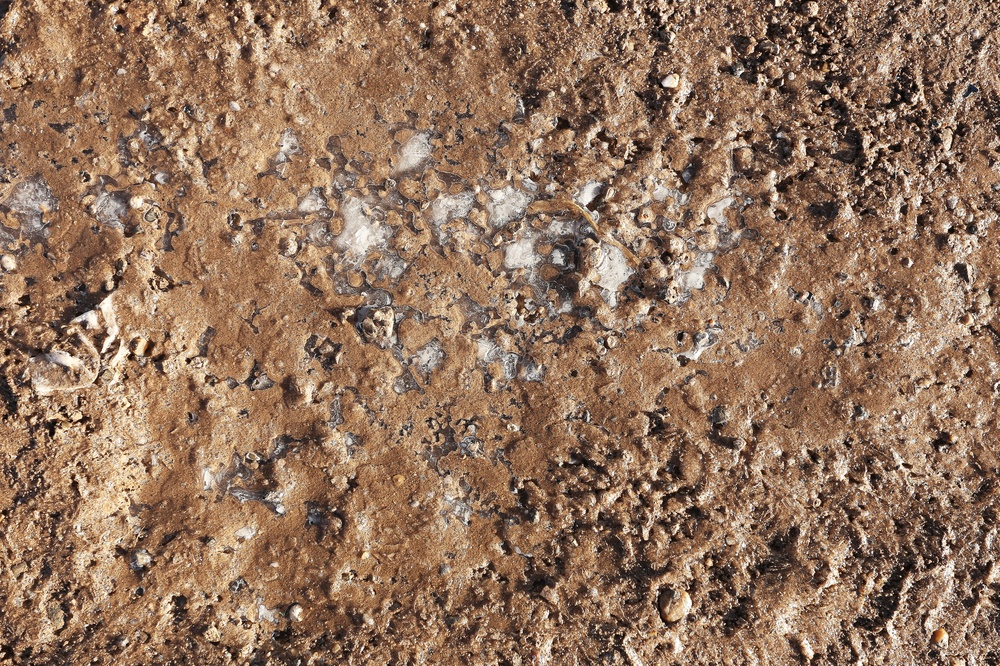
The fix is less about work and more about restraint. Extension agents advise treating garden beds as off-limits during winter, no matter how sturdy they look. If access is necessary, designated paths with mulch, gravel, or stepping stones help distribute weight and protect soil structure. Raised beds are especially vulnerable and should never be walked on, frozen or not.
Planning garden layouts with clear walkways makes it easier to resist shortcuts when snow covers everything. Some gardeners mark bed edges with stakes before winter to keep boundaries visible. A little planning now saves months of frustration later.
Repairing Damage Before Spring Planting
If winter wandering has already happened, all is not lost. Extension agents recommend patience before jumping into repairs. Working soil while it is still wet can worsen compaction, so waiting until it crumbles easily in your hand is essential. Adding organic matter like compost helps rebuild soil structure over time by encouraging biological activity.
Gentle loosening with a garden fork, rather than aggressive tilling, preserves remaining soil aggregates. Cover crops can also help, as their roots naturally break up compacted layers. While soil recovery is rarely instant, consistent care can significantly improve conditions over a season or two.
Give Your Garden Some Winter Space
Gardens may look dormant in winter, but they are quietly setting the stage for everything that follows. Extension agents agree that keeping feet off garden soil during cold months is one of the simplest ways to protect spring success. That small habit shift can mean better drainage, stronger roots, and more resilient plants once planting season arrives. Every gardener has learned lessons the hard way, often without realizing winter played a role.
If you have noticed changes after a snowy season or found a strategy that helped your soil bounce back, the comments section below is the perfect place to add your voice to the conversation.
You May Also Like…
Why Mulching in December Can Save Your Spring Garden
Why Organizing Your Shed Now Makes Spring Gardening Easier
How To Do A Spring Garden Clean-Up
9 Reasons Your Raised Beds Drain Worse in Winter and the Fix
10 Foods You Can Compost in Winter Without Making a Smell

Brandon Marcus is a staff writer for FrugalGardening.com at District Media, Inc., where he delivers practical gardening advice with a relatable, no-nonsense style. An avid amateur gardener, he holds a BA degree and with over ten years of professional writing experience, he is also an award-winning published author whose first book, Questions For Deep Thinkers, was released by Adams Media. His work has appeared in major publications including Fandom.com, CHUD.com, TheColdWire.com, and Fansided.com.
Leave a Reply