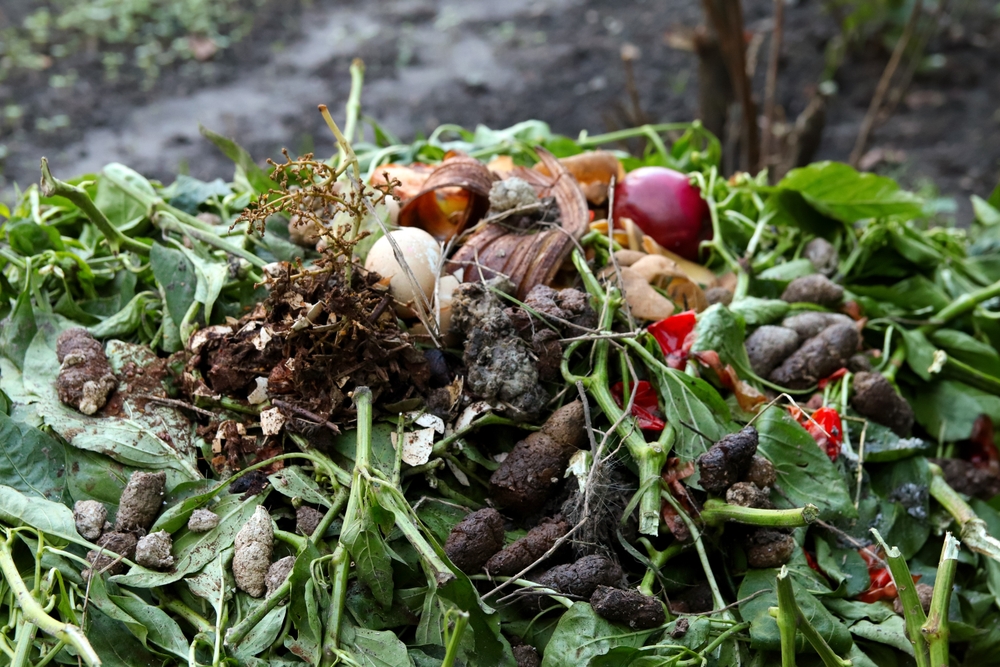
Your compost pile should feel alive. It should steam on chilly mornings, smell earthy instead of funky, and quietly churn away like a miniature ecosystem with a mission. When a compost pile heats up, that’s not just satisfying—it’s proof that billions of hardworking microbes are throwing the party of their lives.
But when that heat never shows up, something has gone wrong. And more often than not, the culprit is how the pile is layered. Let’s crack open the most common compost layering mistakes that quietly kill heat production and turn your pile into a cold, stubborn heap instead of a hot, thriving powerhouse.
1. Using Too Much Of One Type Of Material
A compost pile made mostly of kitchen scraps or mostly of dry leaves is a recipe for disappointment. Heat depends on balance, specifically the balance between nitrogen-rich “greens” and carbon-rich “browns.” When one dominates the pile, microbes either starve or suffocate. Too many greens create a wet, slimy mess that struggles to get oxygen. Too many browns leave microbes without enough nitrogen to multiply and generate heat.
Layering should alternate greens and browns like a well-built lasagna. When each layer complements the next, microbial activity spikes and temperatures climb.
2. Forgetting To Chop Or Shred Ingredients
Whole corn cobs, intact stalks, and unshredded cardboard may look harmless, but they dramatically slow heat production. Large pieces have less surface area for microbes to colonize, which means fewer microbes working at any given moment. Compost heat is a direct result of microbial metabolism, and microbes need access. Shredding leaves, tearing cardboard, and chopping kitchen scraps into smaller pieces speeds everything up. When materials are broken down before layering, heat builds faster and lasts longer. Think of it as setting the table before inviting the microbes to dinner.
3. Creating Thick, Compact Layers
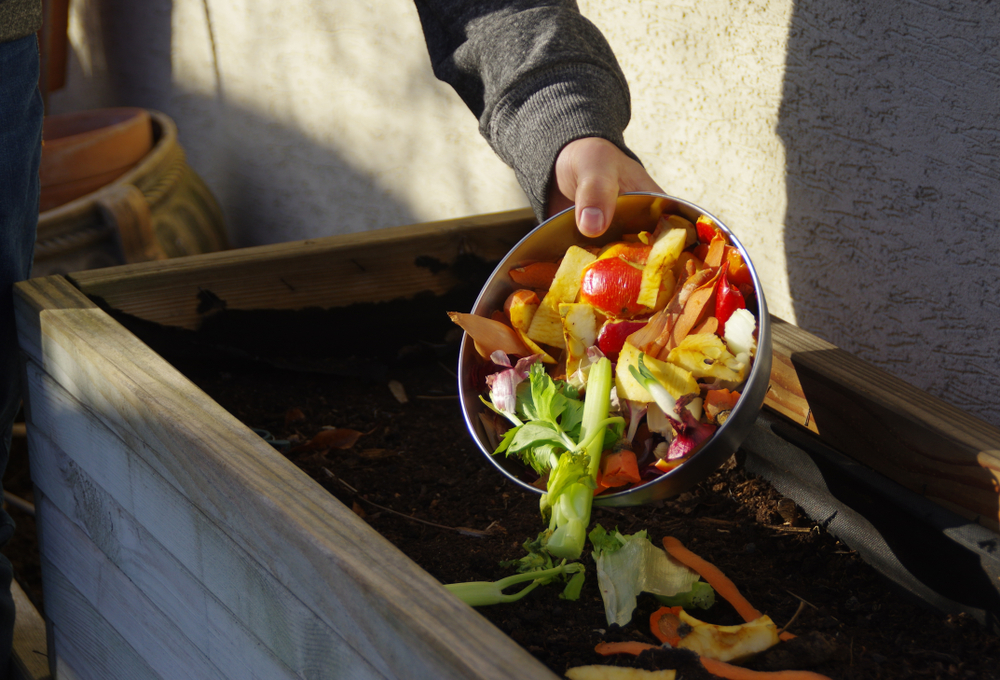
Thick layers might feel efficient, but they often trap moisture and block airflow. Oxygen is critical for the aerobic microbes that generate high compost temperatures. When layers are too dense, air can’t circulate, and anaerobic conditions take over. That’s when heat stalls and unpleasant odors appear. Instead of piling on one material in a heavy slab, spread layers thinly and evenly. Fluffing materials as you layer helps keep air pockets intact. A compost pile should feel springy, not packed like wet cement.
4. Ignoring Moisture Balance While Layering
Moisture is the silent partner in compost heat production. Too dry, and microbes slow to a crawl. Too wet, and oxygen disappears. When layering, many people forget to check moisture at all. Each layer should feel like a wrung-out sponge—damp but not dripping. Dry browns may need a light watering as they go in, while juicy greens might require extra browns to absorb excess liquid. Thoughtful layering that accounts for moisture keeps microbial activity humming and temperatures climbing steadily.
5. Skipping The Mixing Step Altogether
Layering alone isn’t enough if the layers never interact. Compost heats best when materials mingle, allowing microbes to move freely between carbon and nitrogen sources. Piles that are layered once and left untouched often develop hot and cold zones, which limits overall heat production. Turning or mixing the pile after building it helps distribute nutrients, moisture, and oxygen evenly. Even gentle mixing breaks down layer boundaries and wakes up microbial populations. Heat thrives when the pile behaves as a unified system rather than a stack of isolated zones.
6. Building Layers That Are Too Dry Or Too Wet From The Start
Starting conditions matter more than most people realize. If the bottom layers are bone-dry or waterlogged, heat production struggles from the very beginning. Microbes need stable conditions to establish themselves and multiply rapidly. When layering, each section should be evaluated before the next one goes on top. Adjust moisture and texture as you build, not after problems appear. A compost pile built with consistent, well-balanced layers heats faster and stays hot longer. Early mistakes often echo throughout the entire composting process.
7. Making The Pile Too Small To Retain Heat
Perfect layering won’t matter much if the pile itself can’t hold heat. Small piles lose warmth faster than microbes can produce it. While this isn’t strictly a layering error, it’s closely tied to how layers are built and stacked. A pile should be at least three feet wide and tall to insulate itself effectively.
Layering materials outward instead of upward can spread the pile too thin. Compact, well-layered piles trap heat and reward your effort with that glorious internal warmth composters crave.
Turn Your Compost Into A Heat-Making Machine
Compost heat isn’t magic—it’s biology responding to the conditions you create. Thoughtful layering gives microbes everything they need to thrive, multiply, and generate serious warmth. When layers are balanced, moist, airy, and well-sized, the pile transforms into an efficient decomposition engine. Every compost pile tells a story about how it was built.
If yours has struggled to heat up, chances are one of these mistakes played a role. Feel free to drop your own compost experiences, victories, or hard-earned lessons in the comments below—those stories help everyone compost smarter.
You May Also Like…
10 Foods You Can Compost in Winter Without Making a Smell
Is Composting at Home Still the Cheapest Soil Option?
Why Compost Layers Matter More in Fall
9 Winter Garden Problems You Can Fix in 20 Minutes
7 Composting Tricks That Only Work in Autumn

Brandon Marcus is a staff writer for FrugalGardening.com at District Media, Inc., where he delivers practical gardening advice with a relatable, no-nonsense style. An avid amateur gardener, he holds a BA degree and with over ten years of professional writing experience, he is also an award-winning published author whose first book, Questions For Deep Thinkers, was released by Adams Media. His work has appeared in major publications including Fandom.com, CHUD.com, TheColdWire.com, and Fansided.com.
Leave a Reply