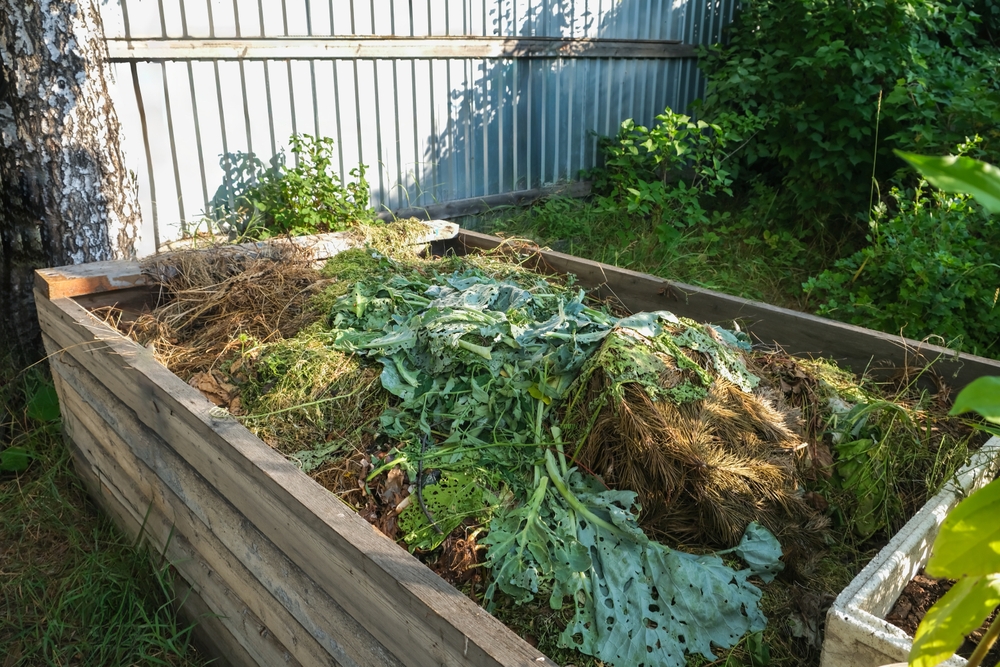
If you’ve ever tried to give your garden a magical boost, you’ve probably heard of compost tea. It’s like giving your plants a spa day in liquid form—nutrient-rich, microbial-packed, and ready to wake up your soil. But here’s the twist: compost tea doesn’t perform the same in every temperature.
In fact, when the soil is cool, this liquid elixir seems to work wonders in ways that warm soil simply can’t match. Understanding why can turn your ordinary garden into a thriving, green paradise faster than you ever imagined.
1. Cooler Soil Preserves Beneficial Microbes
Compost tea is teeming with life: bacteria, fungi, and other microscopic heroes that feed your plants. These organisms are delicate and don’t all thrive in hot soil. When soil temperatures are cooler, the microbes from compost tea have a gentler environment to establish themselves. This allows them to multiply, colonize roots, and start their nutrient-cycling magic without the stress of extreme heat. The result is healthier, stronger plants that seem to soak up nutrients effortlessly.
2. Nutrient Absorption Becomes More Efficient
Plants in cool soil tend to have slower metabolic rates compared to their sun-baked counterparts. That’s not a bad thing when using compost tea—it actually helps them absorb nutrients more efficiently. The tea slowly releases minerals and organic matter, giving roots plenty of time to take in everything without being overwhelmed. In warm soil, nutrients can leach too quickly or volatilize, making them less available. Cooler temperatures create the perfect balance for plants to drink deeply from this liquid feast.
3. Root Systems Benefit From Gentle Growth
Cool soil encourages roots to explore more widely rather than rushing upward. Compost tea in this environment supports root expansion by supplying microbes that break down organic matter and unlock nutrients along the way. The tea also introduces enzymes and beneficial bacteria that protect roots from pathogens while enhancing growth. In warmer soil, roots may become stressed and less capable of fully utilizing the microbial benefits. When the soil is cool, roots can focus on establishing a strong network, giving plants a solid foundation for future growth.
4. Pathogen Suppression Works Better
One of the unsung heroes of compost tea is its ability to fight harmful pathogens naturally. Beneficial microbes in the tea compete with disease-causing organisms, limiting their ability to spread. Cool soil slows down many pathogens, giving the good microbes a head start to dominate the root zone. This creates a healthier environment where seedlings and established plants alike can thrive. Essentially, compost tea in cool soil acts like a microscopic bodyguard, keeping troublemakers at bay.
5. Moisture Retention Enhances Effectiveness
Cooler soils tend to retain moisture longer, and this works hand-in-hand with compost tea. Microbes need a damp environment to survive and multiply, and liquid compost tea provides the perfect medium. In hot soil, water evaporates quickly, and microbes may dry out before they can colonize the roots effectively. By keeping the soil cooler and moist, you give the tea’s microbes the ideal conditions to work their magic. Over time, plants become healthier, soil structure improves, and water retention increases naturally.
6. Slower Decomposition Means Longer-Term Benefits
Compost tea is full of organic compounds that break down into nutrients for plants. In warm soil, decomposition happens rapidly, which sounds great but can lead to quick nutrient spikes and subsequent depletion. Cooler soil slows the breakdown process, giving plants a steady, sustained supply of nutrients. This slow-release effect makes compost tea in cool soil more like a continuous buffet rather than a single meal. It keeps plants nourished and thriving over a longer period.

7. Enhances Soil Structure and Aeration
Compost tea isn’t just food—it’s a soil conditioner. Beneficial microbes help aggregate soil particles, improve aeration, and maintain a healthy crumb structure. In cool soil, microbial activity is steady but not rushed, meaning these structural benefits develop gradually and effectively. Better soil structure helps roots access water and nutrients more easily and prevents compaction. Over time, this leads to a more resilient garden that performs well under both cool and warmer conditions.
8. Works Perfectly With Early Spring Planting
Gardeners who start seeds or plant early in spring often deal with soil that’s still cool from winter. This is prime time for compost tea applications. Microbial populations can establish themselves without the stress of heat, giving young seedlings a head start. Cooler soil paired with nutrient-rich tea helps fragile plants develop strong roots and resist early-season diseases. Using compost tea at this time can be the difference between a slow start and a vigorous, healthy garden.
Cool Soil Makes Compost Tea Unstoppable
Compost tea is already impressive on its own, but when paired with cool soil, it becomes a powerhouse for plant growth. Cooler temperatures preserve beneficial microbes, improve nutrient absorption, enhance root systems, suppress pathogens, and even help with moisture retention. It also slows decomposition and improves soil structure, offering long-term benefits for your garden. Timing your compost tea applications with cooler soil periods, like early spring or late fall, maximizes its effectiveness and gives your plants the best chance to thrive.
Have you tried compost tea in cool soil, or noticed different results in warmer conditions? Share your thoughts, tips, and gardening stories in the comments section for others to learn.
You May Also Like…
Feed Your Soil Now and Reap the Rewards in March
Why You Need to Check Soil Drainage Before the First Freeze
8 Invasive Plants That Spread Faster in Cool Weather
Why Soil Aeration Works Best in Cooler Months
6 Garden Pests That Hibernate in Your Soil

Brandon Marcus is a staff writer for FrugalGardening.com at District Media, Inc., where he delivers practical gardening advice with a relatable, no-nonsense style. An avid amateur gardener, he holds a BA degree and with over ten years of professional writing experience, he is also an award-winning published author whose first book, Questions For Deep Thinkers, was released by Adams Media. His work has appeared in major publications including Fandom.com, CHUD.com, TheColdWire.com, and Fansided.com.
Leave a Reply