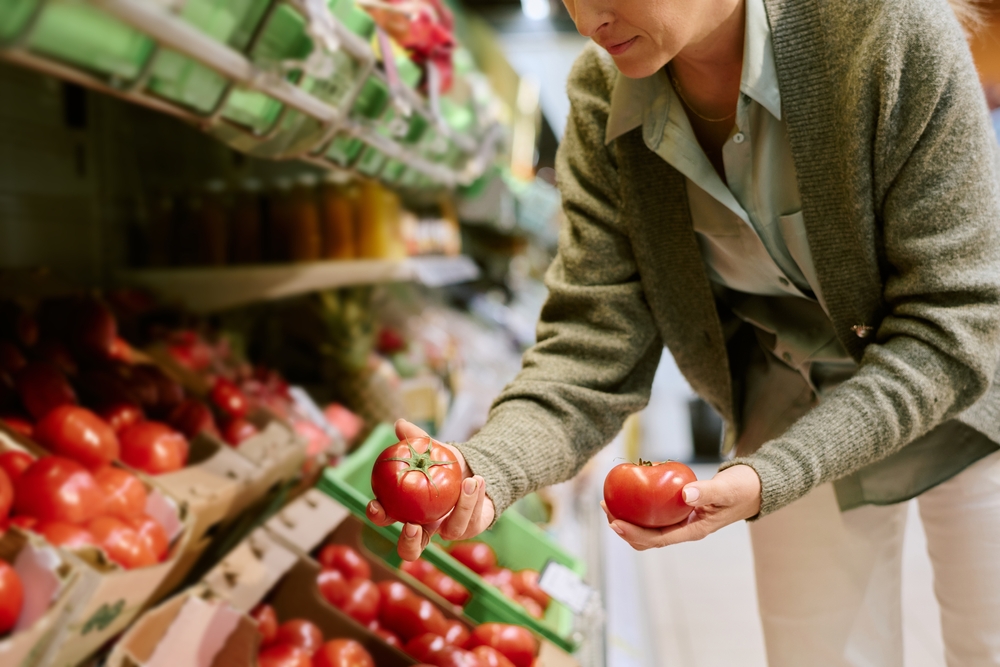
Plant a tomato from your refrigerator, and you might grow dinner for months…or you might grow a lesson in disappointment. The grocery store seed hack promises cheap abundance, and sometimes it delivers. Other times, it hands you bland fruit, weak plants, or nothing at all.
If you want to turn supermarket scraps into a thriving garden instead of a cautionary tale, you need to understand exactly what you’re planting and why it matters.
The $3 Tomato That Turns Into 30 Plants
Seed packets cost anywhere from a few dollars to more than five per variety, and specialty heirloom seeds can climb even higher. When you slice open a ripe tomato from the produce aisle and see dozens of glossy seeds staring back at you, the math feels almost rebellious. One tomato can contain enough seeds to grow a jungle. A single bell pepper holds a small fortune in potential.
Gardeners who save seeds from grocery produce often slash their seasonal costs dramatically. Instead of buying multiple seed packets for tomatoes, peppers, squash, or melons, they start plants from what they already plan to eat. That strategy appeals to anyone who gardens on a budget or wants to experiment without financial risk. If a plant fails, you shrug and move on.
This hack works best with crops that produce true seeds easily harvested from mature fruit. Tomatoes, peppers, winter squash, melons, beans, and even some herbs can sprout successfully when conditions align. Many gardeners report strong germination rates from fresh, fully ripe produce, especially when they dry the seeds properly before planting.
But the grocery aisle never labels fruit with “great for seed saving,” and that omission hides the biggest complication in this money-saving trick.
Hybrids & The Plot Twist You Need to Consider
Most commercial produce varieties come from hybrid plants. Growers favor hybrids because they produce uniform size, predictable color, disease resistance, and long shelf life. Those traits help farms ship tomatoes across the country without turning them into soup along the way.
When you plant seeds from a hybrid fruit, you gamble. Hybrid seeds do not reliably grow into plants that match the parent fruit. You might get a tomato plant that produces smaller fruit, different flavors, odd shapes, or weaker yields. You could also end up with a plant that struggles against diseases the original hybrid resisted.
That unpredictability doesn’t mean you should never try it. It means you should treat it like an experiment rather than a guaranteed replica. If you crave consistency, look for heirloom produce. Heirloom varieties grow true to type, which means seeds from those fruits usually produce plants similar to the parent.
The Disease Risk Hiding in Plain Sight
Commercial growers manage disease carefully, but pathogens can still hitch a ride inside fruit. Some plant diseases, especially certain bacterial and fungal infections, can travel on or within seeds. When you save seeds from grocery produce, you skip the cleaning and testing steps that professional seed producers use.
Tomatoes, for example, can carry bacterial canker or other seed-borne diseases. If you plant contaminated seeds, you introduce those problems directly into your garden beds. Once disease takes hold in soil, you face a much tougher battle in future seasons.
You can reduce risk by selecting fruit that looks completely healthy and free from blemishes, mold, or rot. With tomatoes, you should ferment the seeds for a few days in water before drying them. Fermentation removes the gel coating around each seed and helps reduce some pathogens. After fermentation, rinse the seeds thoroughly and dry them on a paper towel or coffee filter in a well-ventilated space.
Flavor Versus Shelf Life: Why Your Harvest Might Disappoint
Grocery store produce prioritizes durability. Commercial varieties often focus on firm texture and long storage life, which means flavor sometimes takes a back seat. When you plant seeds from those fruits, you continue that genetic emphasis.
You might grow a tomato plant that produces abundant, sturdy fruit with thick skins and mild taste. If you dream of rich, complex flavor like you find in carefully bred heirloom varieties, you might feel underwhelmed. The genetics that support long-distance shipping rarely prioritize backyard taste tests.
That doesn’t mean grocery-grown plants always taste bland. Environment plays a huge role in flavor. When you grow tomatoes in rich soil with full sun and harvest them fully ripe, you often improve taste dramatically compared to store-bought versions picked early. Still, the underlying variety influences the final result.
When It Absolutely Makes Sense
Some crops respond beautifully to this hack. Dried beans from the grocery store, especially those labeled as simple varieties like black beans or pinto beans, often sprout readily. As long as the beans have not undergone heat treatment, they can grow into productive plants. Many gardeners report success with dried chickpeas and lentils as well.
Winter squash and pumpkins also offer strong potential. If you buy a fully mature squash and scoop out the seeds, dry them thoroughly, and plant them in warm soil, you can grow vigorous vines. Keep in mind that cross-pollination can affect squash genetics, so the resulting fruit might differ from what you expect, but you will still harvest edible squash.
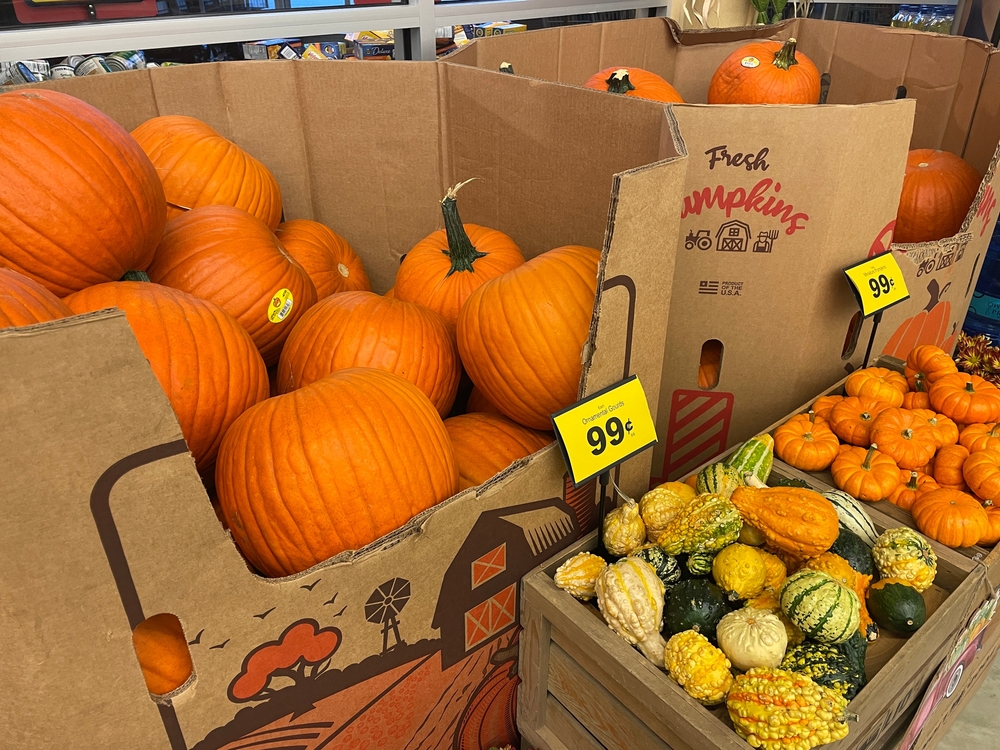
In short, the hack shines when you treat it as supplemental rather than foundational. Grow a few experimental plants alongside reliable varieties and let curiosity guide you.
Knowledge, Not Just Produce
The grocery store seed hack can absolutely save money. It can also waste time if you expect perfection without understanding the variables. Hybrid genetics, potential disease, and commercial breeding priorities all shape your results. When you approach the hack with open eyes and realistic expectations, you gain more than vegetables. You gain insight into plant breeding, genetics, and the delicate balance between cost and quality.
In the end, the smartest gardeners don’t chase every shortcut. They test, observe, adjust, and learn. That mindset turns even a three-dollar tomato into a powerful teacher.
Would you trust your entire summer harvest to seeds from the produce aisle, or would you treat them as a side experiment? Let’s start a conversation in our comments section.
You May Also Like…
9 Seeds You Can Plant Immediately — No Matter the Weather
Seeds You Can Save From Everyday Foods to Grow New Plants
5 Tips For Successfully Reviving 100 Year Old Tomato Seeds
Gardeners Are Buying Seeds Earlier to Avoid Spring Shortages
12 Seeds You Should Start Early If You Want Big Spring Harvests

Brandon Marcus is a staff writer for FrugalGardening.com at District Media, Inc., where he delivers practical gardening advice with a relatable, no-nonsense style. An avid amateur gardener, he holds a BA degree and with over ten years of professional writing experience, he is also an award-winning published author whose first book, Questions For Deep Thinkers, was released by Adams Media. His work has appeared in major publications including Fandom.com, CHUD.com, TheColdWire.com, and Fansided.com.
Leave a Reply