Winter garden cleanup sounds boring, cold, and optional, which is exactly why so many people skip it. After all, plants are dormant, flowers are gone, and everything looks “dead” anyway, so what’s the harm in leaving it until spring? The problem is that your garden doesn’t go to sleep the way you do. Insects, rodents, fungi, and invasive pests absolutely love neglected winter landscapes because they offer shelter, food, and protection from predators.
What feels like harmless procrastination in December quietly becomes a full-blown infestation problem by March, and suddenly your yard feels less like a sanctuary and more like a wildlife shelter.
The “Dead Garden” Illusion That Tricks Homeowners Every Year
Bare plants and fallen leaves create the illusion that nothing is happening, but winter is actually prime survival season for pests. Insects lay eggs in soil, mulch, dead stems, and leaf piles, using debris as insulation against cold temperatures. Rodents burrow into overgrown beds and compost piles to stay warm and hidden from predators. Fungal spores and plant diseases overwinter in rotting plant matter, just waiting for spring warmth to explode into activity.
What looks like harmless clutter becomes a perfectly engineered pest survival system. A simple cleanup routine disrupts that entire cycle before it turns into a seasonal invasion.
Leaf Piles: Five-Star Hotels For Insects And Rodents
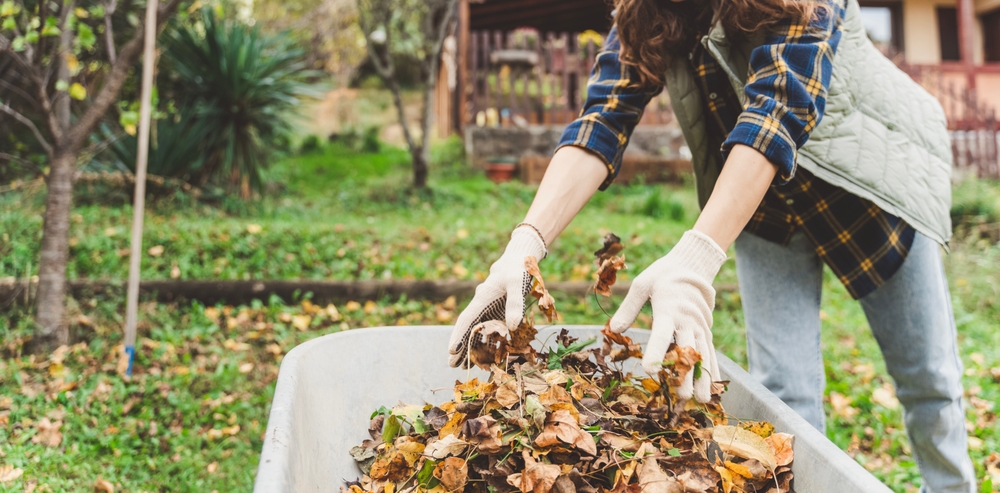
Those cozy leaf piles lining fences and garden beds are basically luxury condos for pests. Insects use them to overwinter, lay eggs, and stay protected from freezing temperatures. Mice, voles, and other small rodents tunnel underneath them for warmth and safety. Once rodents settle in, they don’t just stay in the garden—they move closer to foundations, sheds, and garages.
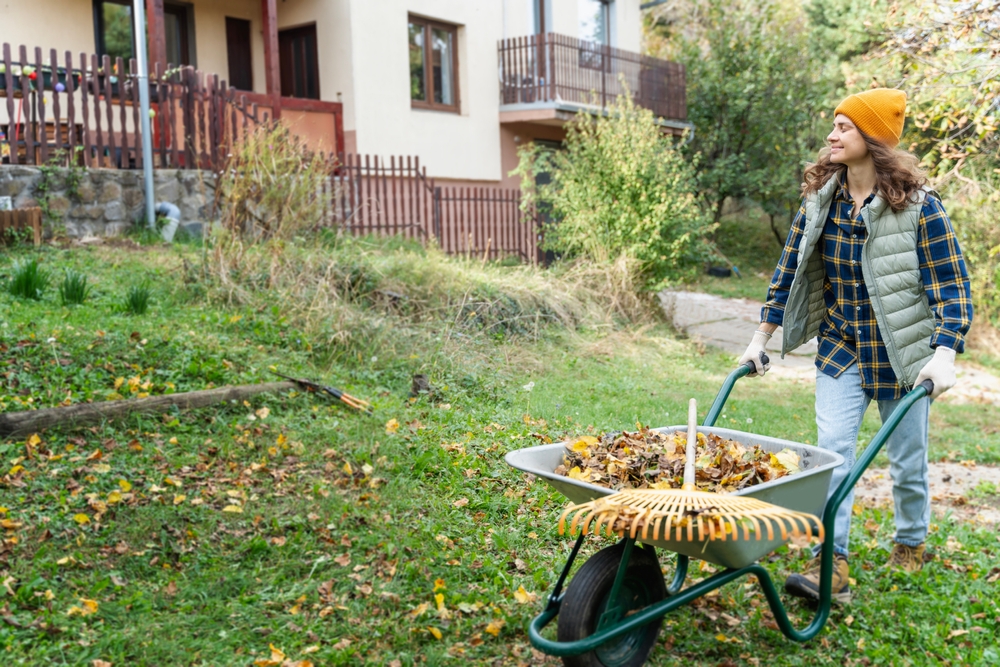
That’s how an outdoor mess quietly becomes an indoor problem. Raking, composting properly, and relocating leaf piles away from structures cuts off shelter and forces pests to find survival elsewhere.
Dead Plants That Become Pest Nurseries
Dead plants are not harmless decorations; they’re breeding grounds. Hollow stems house insect larvae, rotting roots harbor beetles and grubs, and old plant matter traps moisture that attracts fungi and bacteria. Some pests specifically rely on dead organic matter to complete their life cycles.
Leaving dead plants in place allows multiple generations of insects to overwinter in one location. Spring doesn’t just bring new growth—it releases an entire hidden population. Removing dead plants interrupts reproduction before it begins.
Mulch Mismanagement That Invites Trouble
Mulch protects soil, but unmanaged mulch becomes a pest magnet. Thick, compacted mulch layers trap moisture, warmth, and organic matter that insects love. Rodents burrow underneath it, using it as a hidden highway system across your yard. Termites and ants often thrive in damp mulch near foundations.
Smart winter cleanup means thinning mulch, pulling it back from structures, and refreshing it properly in spring. Good mulch management protects your soil without turning your yard into a pest resort.
Compost Piles That Attract More Than Nutrients
Compost piles are amazing for gardens, but unmanaged ones become buffet tables for pests. Food scraps, moisture, and warmth attract insects, rodents, raccoons, and even larger animals. In winter, compost piles stay warm, making them prime real estate for nesting pests.
Poorly maintained compost piles often become breeding grounds instead of soil builders. Covering compost, turning it regularly, and placing it away from structures reduces unwanted visitors. Compost should feed your garden, not your pest population.
Weeds That Act Like Pest Infrastructure
Winter weeds don’t just look messy; they provide structure for pest movement. They act like bridges, ladders, and shelter corridors for insects and rodents. Dense weeds allow pests to move safely across your yard without exposure. They also protect egg clusters and larvae from predators.
Treating weeds before winter removes both shelter and transport routes. Fewer weeds mean fewer safe pathways for pests to thrive and multiply.
How Spring Explosions Start In Winter
Most people associate pest problems with spring and summer, but the groundwork starts months earlier. Winter neglect allows populations to survive instead of dying off.
That survival leads to population explosions once temperatures rise. A few insects in winter can become thousands by late spring. A few rodents become entire nests. Winter cleanup doesn’t just reduce pests—it prevents exponential growth. Prevention always costs less than reaction.
Smart Winter Cleanup Moves That Actually Work
You don’t need perfection, just consistency and strategy. Clear dead plants, remove leaf piles near structures, thin mulch, and organize compost. Trim back overgrowth and remove debris from fences and foundations. Focus on eliminating shelter, moisture, and food sources. These small steps dramatically reduce pest survival rates. Think disruption, not decoration.
A Cleaner Garden Means A Healthier Home Ecosystem
Your yard connects directly to your home’s health. Pests don’t respect boundaries between gardens, garages, sheds, and houses. What starts outdoors often ends indoors.
Winter cleanup protects not just plants, but living spaces. It also makes spring gardening easier, faster, and more enjoyable. A clean winter garden sets the tone for a calmer growing season.
Winter Cleanup Is Pest Prevention, Not Chore Work
Winter garden cleanup isn’t busywork—it’s prevention disguised as maintenance. It protects your plants, your home, your foundation, and your peace of mind. Small efforts in cold months prevent massive problems in warm ones. The garden remembers what you ignore. When you clean now, you’re buying yourself a quieter, healthier spring.
What’s currently sitting in your yard that could be quietly sheltering pests right now—and what’s stopping you from clearing it before it becomes a spring problem? Share your thoughts and opinions in the comments below.
You May Also Like…
Why January Is When Smart Gardeners Plan for Pest Cycles
10 Houseplants That Clean the Air Better Than Purifiers
Should You Leave Fallen Leaves or Clean Them Up? The Real Answer
7 “Too Late” Winter Garden Mistakes and How to Undo Them
10 Winter Garden Tasks That Save You Hours in March

Brandon Marcus is a staff writer for FrugalGardening.com at District Media, Inc., where he delivers practical gardening advice with a relatable, no-nonsense style. An avid amateur gardener, he holds a BA degree and with over ten years of professional writing experience, he is also an award-winning published author whose first book, Questions For Deep Thinkers, was released by Adams Media. His work has appeared in major publications including Fandom.com, CHUD.com, TheColdWire.com, and Fansided.com.
Leave a Reply