Imagine planting flowers once and then watching them come back year after year like loyal old friends, without replanting, reworking beds, or babysitting seedlings. That’s the magic of self-seeding flowers: they grow, bloom, drop seeds, and naturally regenerate, turning your garden into a low-maintenance ecosystem that feels almost alive with intention.
For busy gardeners, beginner growers, and anyone who loves beauty without constant labor, these plants offer the perfect balance of wild charm and reliability. They bring color, pollinators, texture, and movement to your space while quietly doing the work themselves. Once you plant them, nature takes the wheel, and honestly, it does a pretty great job.
1. Cosmos – The Effortless Summer Showstopper
Cosmos are the definition of low-effort beauty, producing clouds of soft, airy blooms in pinks, whites, and purples that sway beautifully in the breeze. Once established, they drop seeds freely and return year after year without any replanting, making them a favorite in naturalized gardens. They thrive in poor soil, tolerate drought, and actually bloom better when you don’t over-fertilize them.
Pollinators adore them, especially bees and butterflies, which adds life and motion to your garden. Let a few plants go to seed at the end of the season, and they’ll handle the rest on their own.
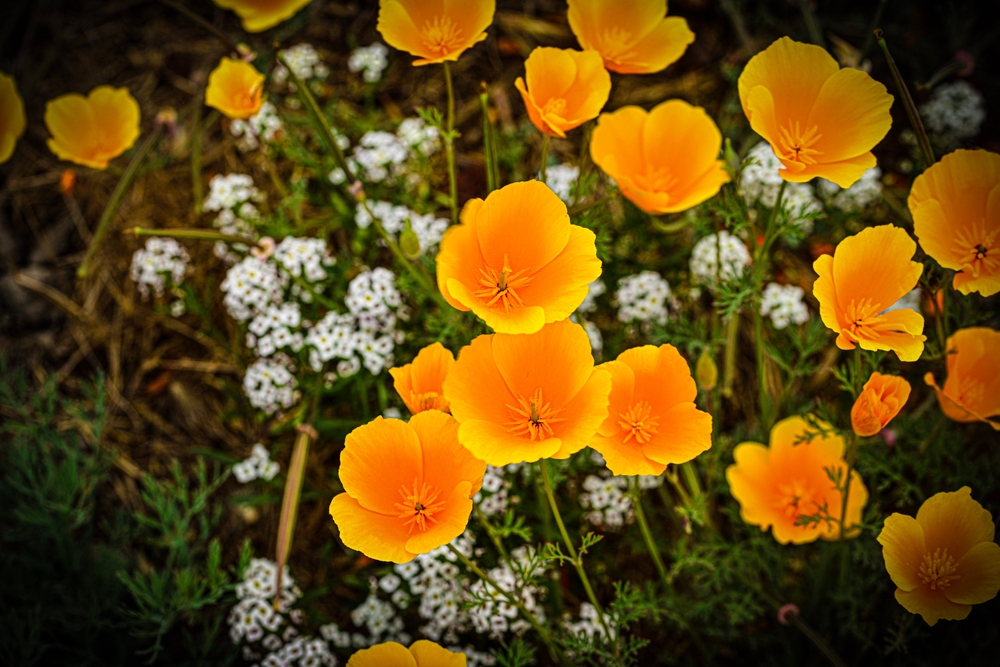
2. California Poppies – Golden Color That Comes Back Stronger
California poppies deliver vibrant orange and golden blooms that light up any garden space with energy and warmth. These hardy annuals self-seed easily and often return in even greater numbers the following season. They thrive in full sun and well-drained soil, making them perfect for low-water landscapes and wildflower gardens.
Once they drop their seeds, they naturally scatter and germinate without help. They’re also incredibly resilient, surviving heat and poor soil conditions with ease. If you want them to spread gently instead of aggressively, simply remove some seed pods before they fully dry.
3. Love-In-A-Mist (Nigella) – Whimsical And Wildly Reliable
Love-in-a-mist looks like something out of a storybook, with delicate blue, white, or pink flowers surrounded by feathery foliage. But behind the soft appearance is a tough, dependable self-seeder that comes back faithfully each year. The seed pods dry beautifully and release seeds naturally into the soil.
These flowers thrive in cool weather and prefer full sun to partial shade. They reseed easily without becoming invasive, which makes them perfect for relaxed, natural garden designs. Let the seed pods dry on the plant, and your next season’s blooms are already planted.
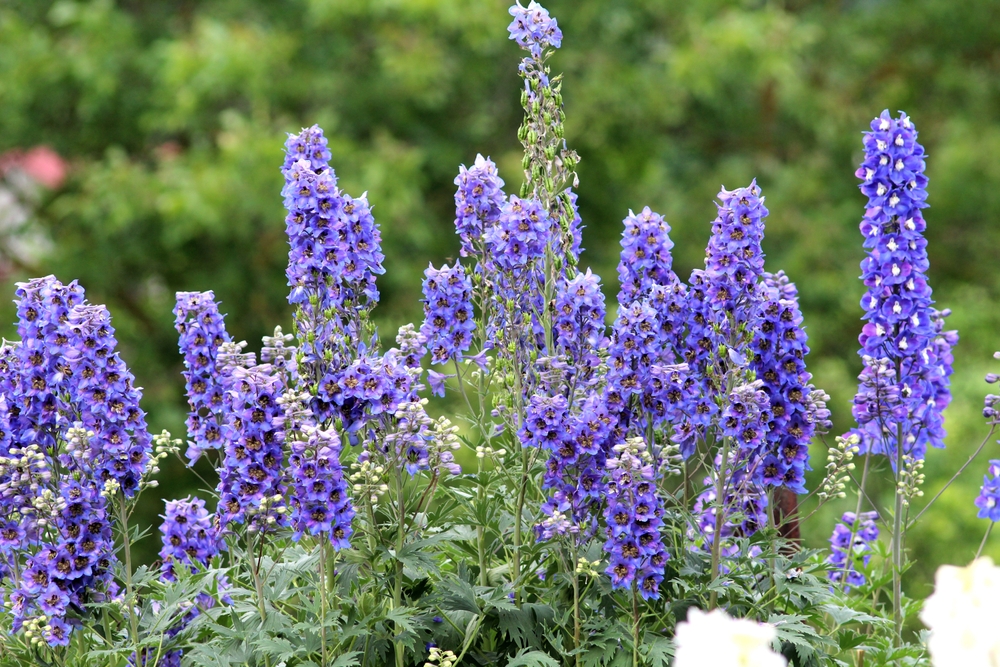
4. Larkspur – Tall, Dramatic, And Self-Sustaining
Larkspur adds vertical drama to gardens with tall spikes of blue, purple, pink, and white blooms. These cool-season annuals self-seed consistently, returning each spring in clusters. They prefer cooler temperatures and well-drained soil, making them ideal for early-season color.
Once they finish blooming, they form seed pods that dry and disperse naturally. Gardeners who allow those pods to mature rarely need to replant them. If you want a thicker display, simply leave more plants to seed and let nature build the colony for you.
5. Black-Eyed Susan (Rudbeckia) – Bold Color With Staying Power
Black-eyed Susans bring bold yellow petals and dark centers that feel like pure summer energy. While some varieties are perennials, many types self-seed freely and return without any effort. They thrive in full sun, handle drought well, and tolerate poor soil.
Birds love their seeds, and pollinators love their nectar, making them a powerhouse for wildlife gardens. Once established, they naturalize easily and spread in a controlled, beautiful way. Leave seed heads through fall and winter to encourage natural reseeding and support birds.
6. Forget-Me-Nots – Tiny Flowers With Big Staying Power
Forget-me-nots produce delicate clusters of blue, pink, or white blooms that blanket garden beds like living confetti. They self-seed abundantly, returning year after year without needing attention. These flowers thrive in partial shade and moist soil, making them perfect for woodland gardens and shady borders.
Once established, they form natural drifts that feel organic and intentional. They spread easily but remain easy to control by thinning seedlings. Letting them reseed creates a soft, romantic garden look that feels effortless and timeless.
The Lazy Gardener’s Secret Weapon
Self-seeding flowers create a garden that works with you instead of against you. They reduce planting costs, save time, and build natural beauty that evolves on its own. These plants bring resilience, color, pollinators, and life without demanding constant care. A self-sustaining garden feels less like a chore and more like a living system that supports itself.
If you could design a garden that replants itself year after year without lifting a finger, which flowers would you trust to do the work for you—and would you let your garden go a little wild? Talk about it in our comments below!
You May Also Like…
Gardeners Are Buying Seeds Earlier to Avoid Spring Shortages
12 Seeds You Should Start Early If You Want Big Spring Harvests
Gardeners Are Switching to Heirloom Seeds to Save Money
Is Starting Seeds Indoors in Winter Really Worth the Cost?
10 Flowers That Attract Pollinators Without Extra Spending

Brandon Marcus is a staff writer for FrugalGardening.com at District Media, Inc., where he delivers practical gardening advice with a relatable, no-nonsense style. An avid amateur gardener, he holds a BA degree and with over ten years of professional writing experience, he is also an award-winning published author whose first book, Questions For Deep Thinkers, was released by Adams Media. His work has appeared in major publications including Fandom.com, CHUD.com, TheColdWire.com, and Fansided.com.
Leave a Reply