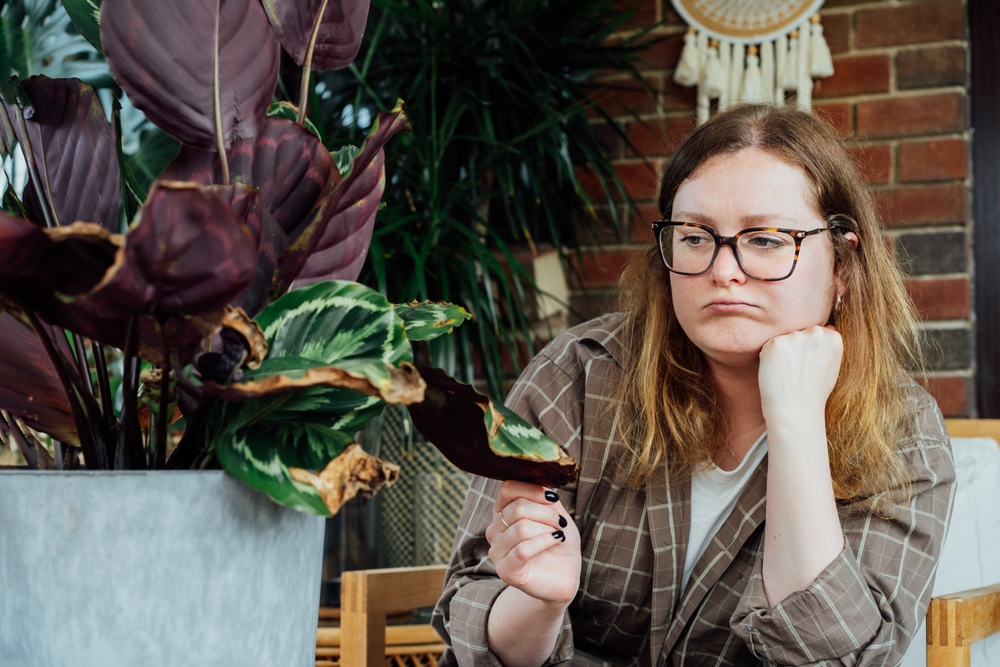
Winter can humble even the most confident plant parents. You can have a windowsill full of so‑called “unkillable” houseplants—those hardy, forgiving green companions that supposedly thrive on neglect—and still watch them wilt, crisp, yellow, or drop leaves like they’re auditioning for a dramatic role.
It’s not your imagination, and it’s definitely not a personal failure. Winter is simply a different world for indoor plants, and many of the conditions they rely on during the rest of the year vanish almost overnight. The good news is that once you understand what’s actually happening, you can turn things around faster than you’d think.
The Silent Chill That Sneaks In Anyway
Most people assume that if their home feels warm enough for them, it must be warm enough for their plants. Unfortunately, plants don’t experience temperature the way humans do. A room that’s set to a comfortable temperature can still have cold pockets near windows, drafty corners, or areas where the temperature swings dramatically throughout the day. Many popular “unkillable” plants—like pothos, snake plants, and ZZ plants—can tolerate cooler temperatures, but they don’t exactly enjoy them. When temperatures dip too low, even briefly, these plants slow their growth, drop leaves, or develop mushy stems.
If you’ve noticed your plants looking droopy or discolored, check where they’re sitting. A plant pressed against a chilly windowsill or parked near a drafty door is essentially living in a micro‑climate it never signed up for. Moving them just a few feet away from cold glass or sealing up drafts can make a surprising difference.
The Light Levels Are Basically a Bad Joke
Winter light is a whole different beast. Even in bright homes, the sun sits lower in the sky, days are shorter, and the intensity of natural light drops significantly. Plants that thrive in “low light” don’t actually want darkness—they simply tolerate less light than others. But winter can push even the most adaptable species past their limit.
When plants don’t get enough light, they stretch, fade, and weaken. Leaves may yellow or fall off entirely as the plant tries to conserve energy. If your once‑lush pothos suddenly looks like it’s trying to become a vine version of a supermodel—tall, leggy, and oddly spaced—it’s begging for more light. Consider shifting plants closer to windows, rotating them regularly, or using a grow light for a few hours a day.
The Air Is So Dry It’s Practically a Desert
Indoor heating is great for humans but brutal for plants. The moment heaters kick on, humidity levels plummet, and many houseplants—especially tropical varieties—start to struggle. Dry air causes crispy leaf tips, sudden browning, and an overall tired look that makes even the toughest plants appear defeated.
You don’t need to turn your home into a rainforest to fix this. A simple humidifier can work wonders, especially if you group plants together so they can share moisture. If you don’t have a humidifier, placing plants on a tray filled with pebbles and water can help increase humidity around them. Just make sure the pots aren’t sitting directly in the water.
Watering Habits Go Off the Rails in Winter
Winter watering is tricky because plants need less water, but their soil also dries out faster thanks to indoor heat. This combination leads to two common problems: overwatering and underwatering. Overwatering is especially dangerous in winter because plants aren’t actively growing, so they don’t use water as quickly. This can lead to root rot, which is one of the fastest ways to kill even the hardiest houseplant.
On the flip side, underwatering can happen when people assume their plants barely need water at all during winter. Dry air and warm rooms can cause soil to dry out faster than expected, leaving plants thirsty and stressed. The best approach is to check the soil before watering. Stick your finger an inch or two into the pot—if it’s dry, water; if it’s damp, wait. It’s simple, but it works.
Your Plants Are Stressed, and They’re Showing It
Plants may not have emotions, but they absolutely experience stress. Rapid temperature changes, inconsistent watering, low light, and dry air all pile up, and even the most resilient plants can only take so much. Stress often shows up as leaf drop, discoloration, or slowed growth. While it can be alarming, it’s usually a sign that your plant is trying to adapt.
The key is to reduce the number of stressors at once. Give your plants stable temperatures, consistent watering habits, and as much light as you can manage. Avoid repotting or fertilizing in winter, since both can overwhelm a plant that’s already struggling. Think of winter as a time for maintenance, not major changes.
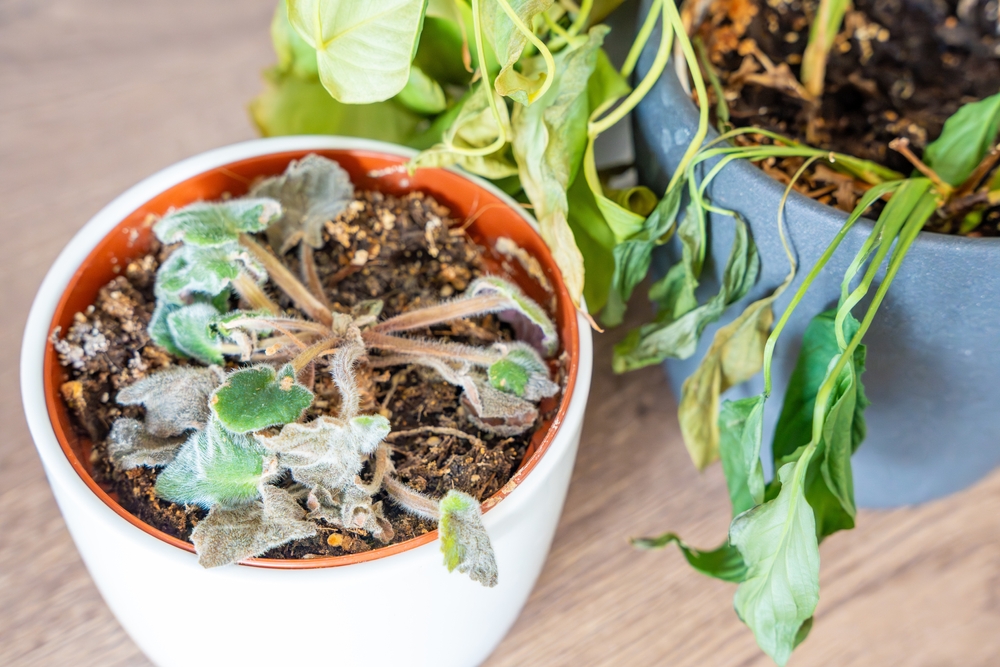
The Real Secret to Keeping Them Alive Until Spring
If there’s one thing winter teaches plant owners, it’s that “unkillable” doesn’t mean invincible. These plants are tough, but they still rely on you to create an environment that supports them through the harshest months of the year. With a little attention to temperature, light, humidity, and watering, you can help your plants not just survive winter but come out of it ready to thrive.
What’s the biggest winter challenge your houseplants are facing right now? Make sure you give all the advice you can in the comments section below.
You May Also Like…
7 Red Flags That Signal Your Houseplants Are Screaming For Help
Experts Say This Winter Habit Is Causing Houseplants to Drop Leaves
Experts Say Houseplant Soil Mix Is Causing Gnat Infestations
7 Houseplants That Hate Dry Winter Heat and What to Do
Gardeners Warned: This Common Winter Cleanup Habit Is Spreading Fungal Disease in Raised Beds

Brandon Marcus is a staff writer for FrugalGardening.com at District Media, Inc., where he delivers practical gardening advice with a relatable, no-nonsense style. An avid amateur gardener, he holds a BA degree and with over ten years of professional writing experience, he is also an award-winning published author whose first book, Questions For Deep Thinkers, was released by Adams Media. His work has appeared in major publications including Fandom.com, CHUD.com, TheColdWire.com, and Fansided.com.
Leave a Reply