Every gardener knows the thrill of finding a gorgeous new plant to add to the yard. But imagine proudly planting a vibrant, eye‑catching flower — only to discover later that your state considers it a botanical outlaw. Suddenly, that innocent bloom becomes a wallet‑draining mistake. And yes, this actually happens. Several states fine homeowners for planting certain invasive flowering species, and the penalties can range from warnings to real financial consequences.
The problem isn’t that these flowers are ugly. Quite the opposite — many invasive plants are stunning, which is exactly why they spread so easily. But beneath the beauty lies a darker side: they choke out native species, disrupt ecosystems, and cost states millions in control efforts. So if you’re a homeowner who loves gardening, it pays — literally — to know which flowers are banned where you live.
1. New York: Where Purple Loosestrife Turns From Pretty to Prohibited
Purple loosestrife is one of those plants that looks like it belongs in a fairytale meadow. Tall, vibrant, and covered in magenta spikes, it’s hard to believe it’s considered a menace. But New York certainly thinks so. The state classifies purple loosestrife as one of its prohibited invasive species, meaning homeowners cannot plant, sell, or intentionally spread it. Violations can lead to enforcement actions, including fines, because the plant aggressively overruns wetlands and crowds out native vegetation.
New York’s stance isn’t just bureaucratic fussiness. The plant spreads rapidly, forming dense stands that disrupt water flow and destroy habitats for birds, fish, and amphibians.
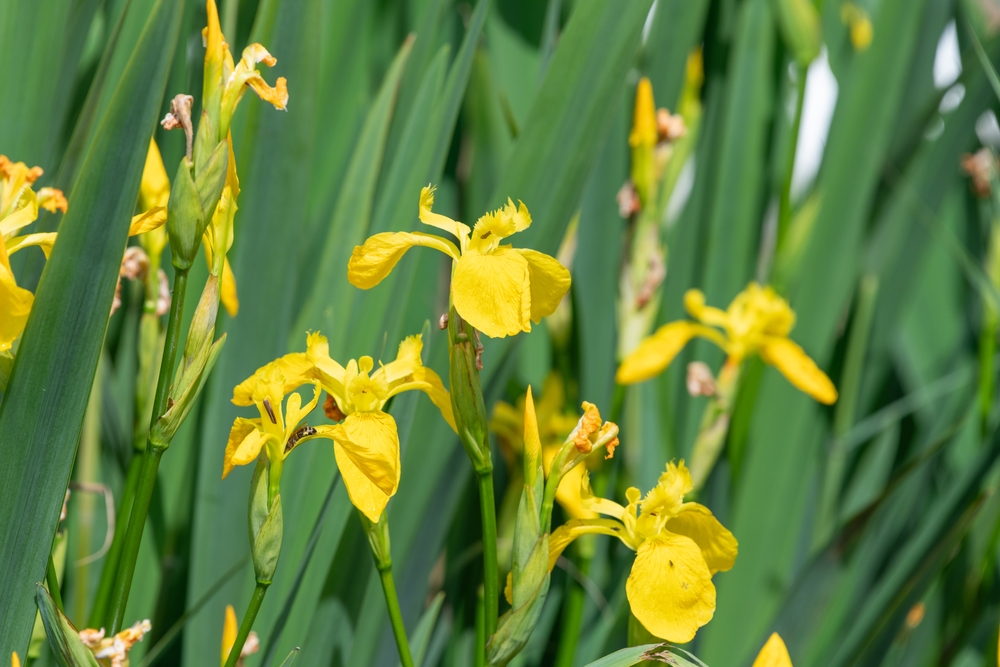
2. Minnesota: Yellow Flag Iris Is Beautiful — and a Big Problem
Minnesota is known for its lakes, which is exactly why the state takes invasive aquatic and shoreline plants so seriously. One of the biggest offenders? Yellow flag iris. With its bright, sunny blooms, it looks like a harmless ornamental. But once it takes root, it spreads aggressively along shorelines, clogs waterways, and displaces native wetland plants.
Minnesota prohibits the sale and intentional planting of yellow flag iris, and homeowners who violate these rules can face penalties. The plant’s rhizomes form thick mats that are incredibly difficult to remove, and even small fragments can regrow.
3. Oregon: Japanese Knotweed’s Innocent Flowers Hide a Destructive Force
Japanese knotweed doesn’t look threatening at first glance. Its small white flowers appear delicate, almost charming. But make no mistake — this plant is one of the most destructive invasive species in the country. Oregon regulates it aggressively, and homeowners who intentionally plant or spread it can face enforcement actions.
Knotweed can grow through pavement, foundations, and retaining walls, causing structural damage that costs homeowners thousands. It spreads rapidly along waterways, destabilizes banks, and outcompetes nearly everything in its path. Oregon’s strict rules exist for good reason: once knotweed takes hold, it’s almost impossible to eradicate.
4. North Carolina: Kudzu’s Fragrant Blooms Come With a Warning Label
Kudzu is famous — or infamous — for swallowing entire landscapes in the Southeast. But many people don’t realize that kudzu actually produces lovely purple flowers with a sweet, grape‑like scent. Unfortunately, those blooms belong to one of the fastest‑spreading invasive plants in the U.S. North Carolina regulates kudzu heavily, and planting or intentionally spreading it can lead to penalties.
The plant grows up to a foot per day in peak season, smothering trees, power lines, and anything else in its path. Homeowners who plant it — even accidentally — can find themselves responsible for controlling its spread, which is no small task. If you’re looking for a fast‑growing vine, North Carolina recommends native alternatives like trumpet honeysuckle or crossvine.
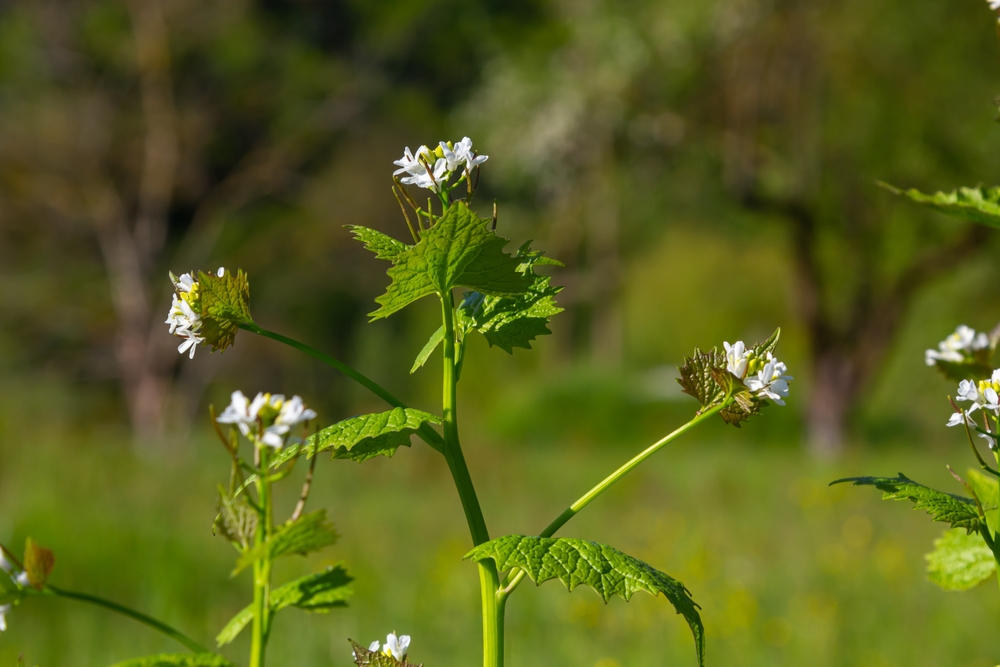
5. Wisconsin: Garlic Mustard’s Tiny White Flowers Cause Big Ecological Trouble
Garlic mustard may not be as showy as some of the other plants on this list, but its small white flowers hide a powerful ecological threat. Wisconsin classifies garlic mustard as a restricted invasive species, and intentionally planting or transporting it can lead to penalties. The plant spreads rapidly in forests and shaded areas, releasing chemicals that prevent native plants from growing.
Homeowners often mistake garlic mustard for a harmless wildflower, especially in early spring when it first emerges. But once it spreads, it can take over entire woodland floors, reducing biodiversity and harming wildlife habitats. Wisconsin encourages homeowners to remove it promptly and replace it with native woodland plants like wild ginger or foamflower.
A Beautiful Garden Shouldn’t Come With a Fine
Invasive flowers are sneaky. They lure homeowners in with their beauty, then wreak havoc on ecosystems, property, and even local economies. The good news is that states aren’t trying to ruin your landscaping dreams — they’re trying to protect native species and prevent long‑term environmental damage. By learning which plants are restricted in your state, you can avoid fines, protect your property, and still create a stunning garden.
Have you ever accidentally planted an invasive species, or do you check every plant before it goes in the ground? Give us your thoughts in the comments!
You May Also Like…
NC State Agriculture Officials Issue New Alert About an Invasive Pest Moving Into Backyards
State Experts Warn: This Invasive Vine Is Spreading Faster Than Expected
These Plants Could Get You Fined — Most Gardeners Have No Idea
These Plants Could Get You Fined in Your State This Year
7 Innocent-Looking Plants That Are Banned in Some States

Brandon Marcus is a staff writer for FrugalGardening.com at District Media, Inc., where he delivers practical gardening advice with a relatable, no-nonsense style. An avid amateur gardener, he holds a BA degree and with over ten years of professional writing experience, he is also an award-winning published author whose first book, Questions For Deep Thinkers, was released by Adams Media. His work has appeared in major publications including Fandom.com, CHUD.com, TheColdWire.com, and Fansided.com.
Leave a Reply