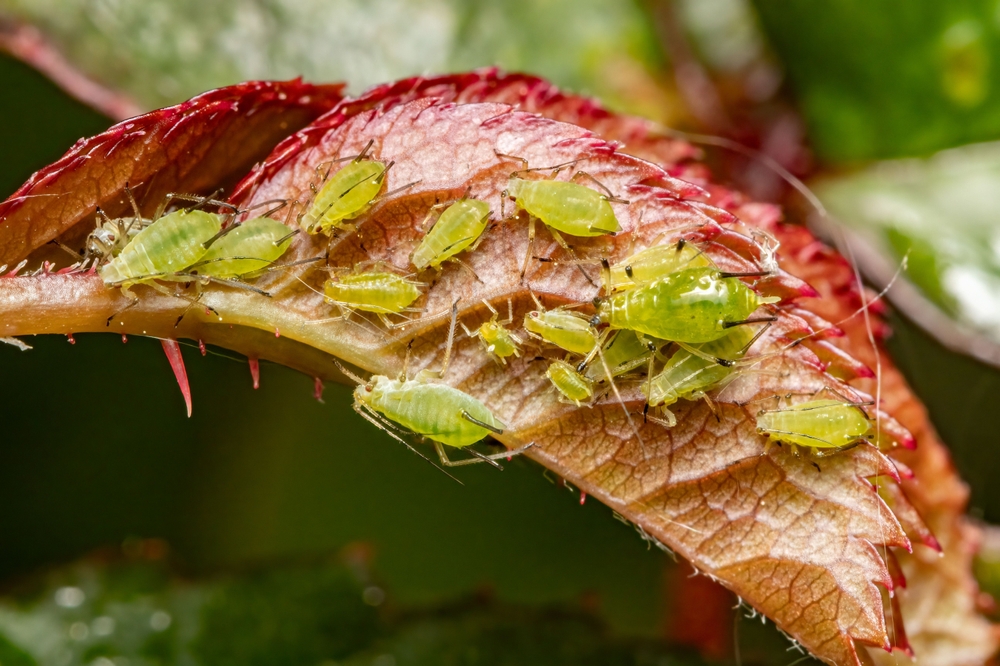
If your Florida garden suddenly looks like it’s wearing a sticky, shiny coat, you’re not imagining things. Lots of growers notice colonies popping up “too soon,” especially on tender new growth, and it can feel like aphids skipped the usual schedule. The good news is that you can get ahead of the mess without spending a fortune or spraying your whole yard. Once you understand what’s nudging pests into overdrive, you can adjust a few habits and cut the problem down fast. Here’s what’s behind early aphid surges and what to do before they turn into a full-blown takeover.
1. Warm Nights Fuel Early Aphid Surges
Aphids ramp up when nights stay mild because they keep feeding instead of slowing down. In many parts of Florida, winter “cold” still leaves long stretches where plants keep growing and pests stay active. That steady warmth also helps eggs, nymphs, and winged adults cycle through generations faster. Even a few unusually warm weeks can stack generations on top of each other. When the weather swings back and forth, aphids often win because they reproduce quickly.
2. Soft, New Growth Becomes A Magnet
Aphids love tender growth, and Florida gardens often push fresh leaves during winter warm spells. If you fertilized recently, your plants may put out extra-soft tips that taste like candy to sap-suckers. This is one reason early aphid surges seem to show up overnight on peppers, citrus, greens, and ornamentals. You can reduce the buffet by using lighter fertilizer doses and focusing on slow-release compost instead of quick nitrogen. If you already fed, pinch back the juiciest tips and remove the most infested leaves to slow the spread.
3. Ants Quietly Farm Aphids For You
If you see ants marching up stems, assume they’re protecting aphids like tiny bodyguards. Ants harvest the sugary honeydew aphids produce, so they chase off lady beetles and other helpful predators. That protection makes early aphid surges tougher to control because the natural cleanup crew can’t do its job. Break the partnership by using sticky barriers on trunks or raised-bed legs and trimming away “bridges” from weeds or mulch. Once ants stop patrolling, predators usually show up faster and aphid numbers drop.
4. Wind And Winged Adults Spread Colonies Fast
Aphids don’t just crawl; many species produce winged adults when conditions get crowded or plants get stressed. Windy fronts can help those winged adults hop from plant to plant and start new colonies quickly. This is how early aphid surges can appear in multiple beds at once, even if you cleaned up one hotspot. Covering young plants with inexpensive row cover can block that aerial reinvasion during peak pressure. Check the undersides of leaves twice a week so you catch new arrivals before they settle in.
5. Dry Stress And Overwatering Both Tip The Balance
Stressed plants send off chemical signals that pests seem to find irresistible, and inconsistent watering creates stress fast. A dry spell followed by a big soaking can push tender regrowth that aphids target immediately. That pattern can intensify early aphid surges because your plants keep flipping between “struggle” and “fresh new tips.” Aim for steadier moisture using mulch, drip lines, or a simple watering schedule you can stick to. When plants stay steady, they resist damage better and rebound faster after you knock pests back.
6. Natural Predators May Be Late To The Party
Lady beetles, lacewings, hoverflies, and parasitic wasps usually help, but their timing doesn’t always match the first aphid boom. If warm weather keeps aphids active year-round, they can build up before predator populations catch up. That mismatch makes early aphid surges feel especially frustrating because you don’t see many “good bugs” yet. Help predators by avoiding broad-spectrum sprays and planting small-flowered herbs like dill, fennel, alyssum, or cilantro nearby. When predators arrive, you’ll often see aphids turn into dried “mummies,” which means the biological control is working.
7. Cheap Controls Work Best When You Act Early
Start with the lowest-cost move: blast aphids off with a strong spray of water, aiming under leaves and repeating every couple of days. If colonies persist, use insecticidal soap or a DIY soap mix made specifically for garden use, and spray at dusk so leaves don’t sunburn. Horticultural oil can also work, but apply it carefully and follow label directions, because heat and tender leaves can react badly. These steps matter because early aphid surges respond best when colonies are small and clustered. Keep pruning and washing until you see new growth coming in clean.
The Florida Aphid Game Plan That Saves Your Harvest
Treat aphid season like a rhythm, not a surprise, and you’ll spend less time reacting. Scout early, especially the newest leaves, and don’t ignore ants because they change everything. Keep growth steady with consistent watering and lighter feeding so plants don’t turn into a soft-target buffet. Use row cover on vulnerable seedlings and choose water sprays and soaps before you jump to harsher options. When you combine prevention with quick action, you’ll protect your garden and your budget at the same time.
Have you noticed aphids showing up earlier than usual in your Florida garden, and what’s worked best for you so far?
What to Read Next…
The One Plant That Can Save Your Entire Garden From Aphids
Why Your Raised Beds Might Be Harboring Pests Right Now—Even in Freezing Temps
5 Reasons Asian Lady Beetles Are Swarming Georgia
Why Pests Overwinter in Untended Garden Beds
Why January Is the Best Time to Prevent Garden Insect Infestations

Catherine is a tech-savvy writer who has focused on the personal finance space for more than eight years. She has a Bachelor’s in Information Technology and enjoys showcasing how tech can simplify everyday personal finance tasks like budgeting, spending tracking, and planning for the future. Additionally, she’s explored the ins and outs of the world of side hustles and loves to share what she’s learned along the way. When she’s not working, you can find her relaxing at home in the Pacific Northwest with her two cats or enjoying a cup of coffee at her neighborhood cafe.
Leave a Reply