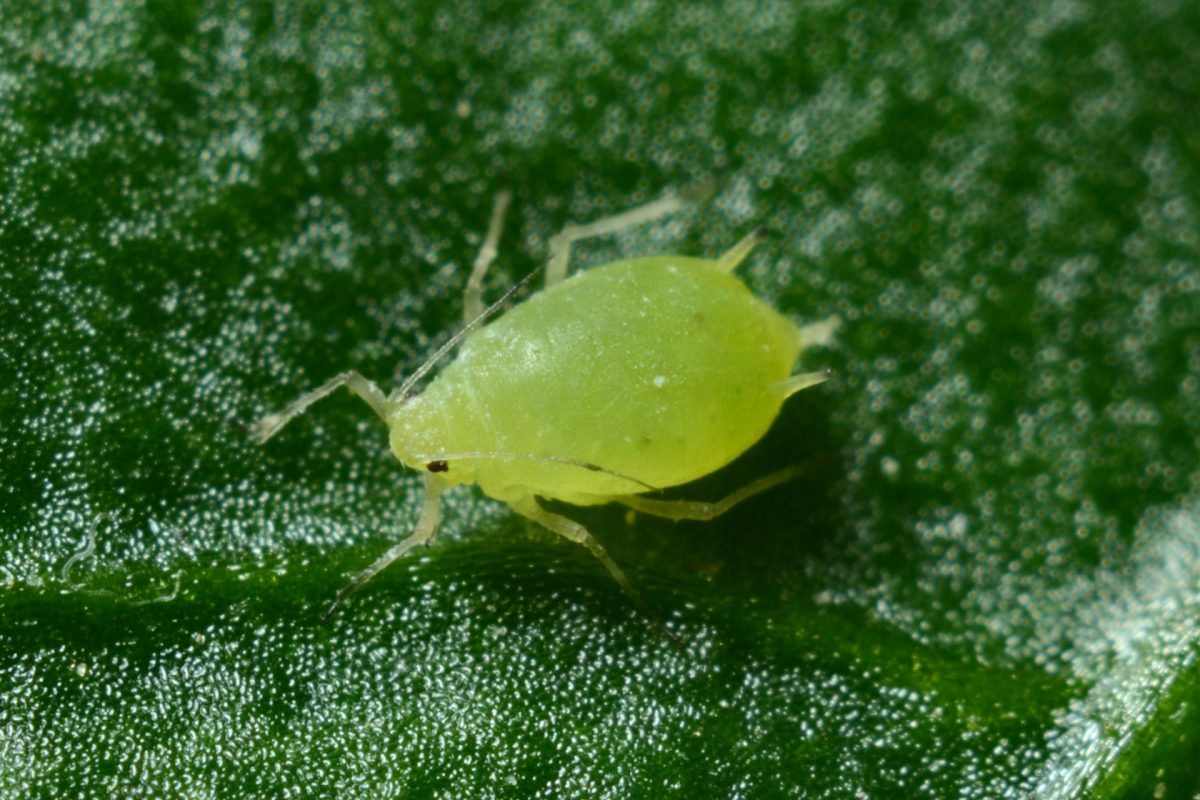
A tiny insect with a soft body and a needle-like mouthpart now commands serious attention across the Southeast. Agricultural specialists and extension agents have started tracking unusually fast‑growing aphid populations moving aggressively through fields and gardens, leaving stressed plants and worried growers behind.
While aphids rarely grab headlines, this surge carries real consequences for soybeans, cotton, vegetables, and ornamental plants throughout the region. Farmers who once treated aphids as a manageable nuisance now face heavier infestations earlier in the season — a shift that demands a closer look at what’s driving the outbreak and how to slow it down before it reshapes another growing year.
A Small Insect With Outsized Power
Aphids measure only a few millimeters long, yet they punch far above their weight in economic impact. These insects feed by piercing plant tissue and siphoning sap, which weakens plants and distorts leaves. Many aphid species also transmit plant viruses, adding another layer of damage that no grower wants to see spreading across fields.
The Southeast already contends with species such as the soybean aphid, cotton aphid, and green peach aphid. What experts are seeing now is not a brand‑new strain, but rather existing aphid species reproducing and spreading faster than usual due to favorable conditions.
Entomologists from universities across Georgia, Alabama, Mississippi, and Florida monitor fields closely each season. They collect samples, confirm species in laboratories, and issue alerts when populations cross economic thresholds — the point at which treatment becomes cost‑effective.
Why the Southeast Feels the Pressure First
Climate plays a major role in this unfolding story. The Southeast offers mild winters compared with much of the country, which allows some aphid populations to survive and rebound quickly in spring. Warmer average temperatures extend the growing season, giving aphids more time to reproduce and move from one crop to another.
Crop diversity across the region also fuels the spread. Soybeans, cotton, peanuts, and a wide range of vegetable crops grow in close proximity. Aphids that feed on multiple hosts can hop between fields, especially when wind currents carry winged adults from one area to another.
Transportation corridors and plant trade add another layer of risk. Nursery stock and ornamental plants can harbor aphids, and shipments that move between counties or states sometimes carry pests along for the ride. Once aphids establish themselves in a new area, their fast reproduction makes eradication nearly impossible — so management becomes the realistic goal.
What This Means for Farmers and Backyard Growers
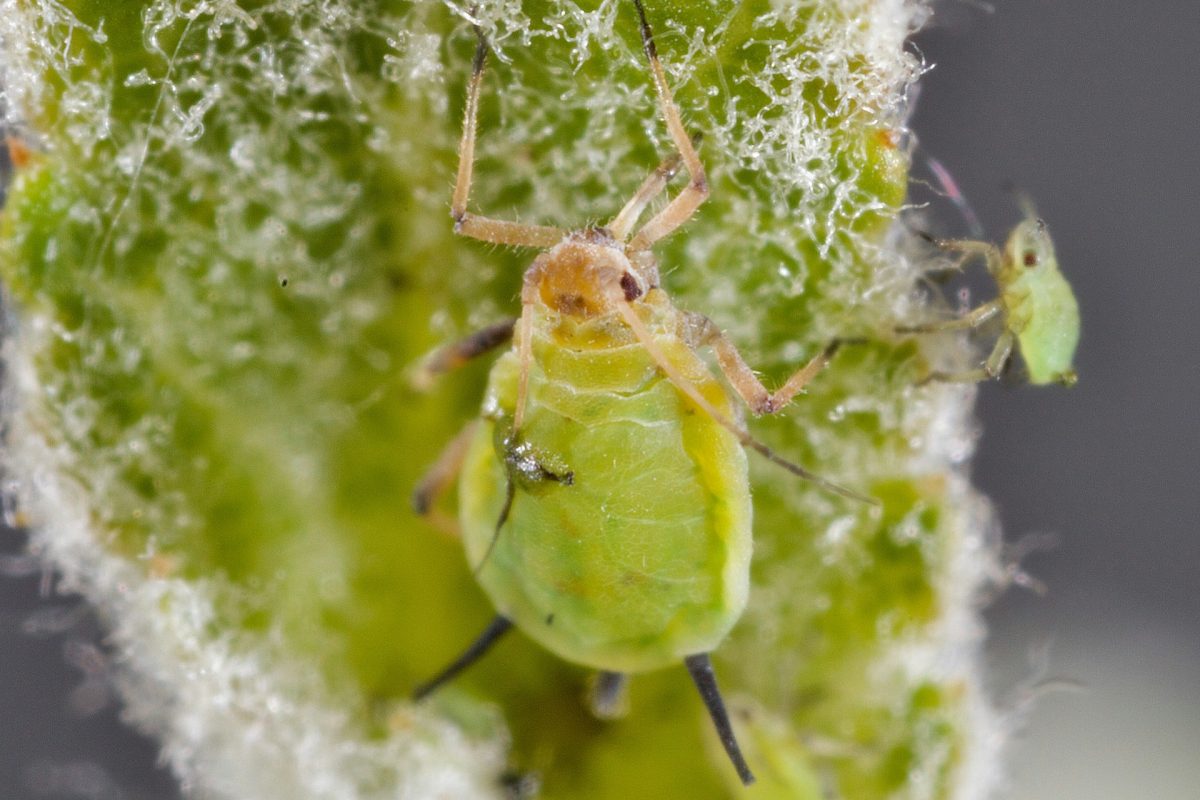
Commercial farmers face the most immediate economic stakes, but home gardeners should not dismiss the issue. So, how can they spot them? Aphids cluster on roses, tomatoes, peppers, and leafy greens, curling leaves and leaving behind sticky honeydew that attracts ants and promotes sooty mold. When regional populations surge, backyard gardens often feel the pressure too.
Farmers must weigh insecticide applications carefully. Overuse of broad‑spectrum insecticides can wipe out natural predators such as lady beetles and parasitic wasps, which normally help keep aphid populations in check. Integrated pest management (IPM) encourages growers to scout fields regularly, track aphid numbers, and apply targeted treatments only when necessary.
The Science Behind the Surge
Researchers are studying whether insecticide resistance, shifting weather patterns, or changes in crop timing are contributing to the rapid population growth. Some aphid species already show resistance to certain insecticides, which complicates control efforts. When resistance develops, farmers must rotate products with different modes of action to prevent further resistance buildup.
Plant virus transmission adds urgency. Aphids can acquire viruses while feeding on infected plants and then spread them as they move. Crops such as soybeans and certain vegetables suffer significant yield losses when viruses take hold.
Weather patterns this year have also played a role. Warm, dry periods often favor aphid survival and reproduction, while heavy rains can temporarily knock populations down. When dry spells align with peak crop growth, aphids gain the upper hand.
Stay Alert, Stay Strategic, And Stay Away From Aphids
Aphids will never disappear from the Southeast, and no single product or practice will solve this challenge outright. What makes the current surge concerning is its speed, not the emergence of a brand‑new species. Vigilance, science‑based management, and cooperation between researchers and growers will shape the outcome.
Growers across the Southeast succeed because they adapt quickly and share information. That same spirit will determine how effectively the region handles this year’s aphid pressure.
Do you have aphid advice? Old-fashioned ways to monitor and handle pests in your yard? Make sure you talk about them in the comments below.
You May Also Like…
This One Winter Gardening Habit Could Be Spreading Invasive Pests Across the South
How to Spot Overwintering Insects in Mulch
NC State Agriculture Officials Issue New Alert About an Invasive Pest Moving Into Backyards
Why Skipping Crop Rotation Leads to Bigger Pest Problems

Brandon Marcus is a staff writer for FrugalGardening.com at District Media, Inc., where he delivers practical gardening advice with a relatable, no-nonsense style. An avid amateur gardener, he holds a BA degree and with over ten years of professional writing experience, he is also an award-winning published author whose first book, Questions For Deep Thinkers, was released by Adams Media. His work has appeared in major publications including Fandom.com, CHUD.com, TheColdWire.com, and Fansided.com.
Leave a Reply