If you’ve ever stood in your garden with a handful of seedlings and a head full of hope, you already know planting feels like possibility. Every hole in the soil feels like a promise of tomatoes, herbs, flowers, and abundance.
But some plants are basically terrible neighbors. They fight for nutrients, sabotage growth, attract the wrong pests, or release chemicals that quietly stunt everything around them. Gardening is about where you plant things and who you let stand next to whom. Get this wrong, and your garden can look busy but produce very little. Get it right, and suddenly everything seems healthier, stronger, and more alive.
1. Tomatoes and Potatoes: The Disease Power Couple Nobody Wants
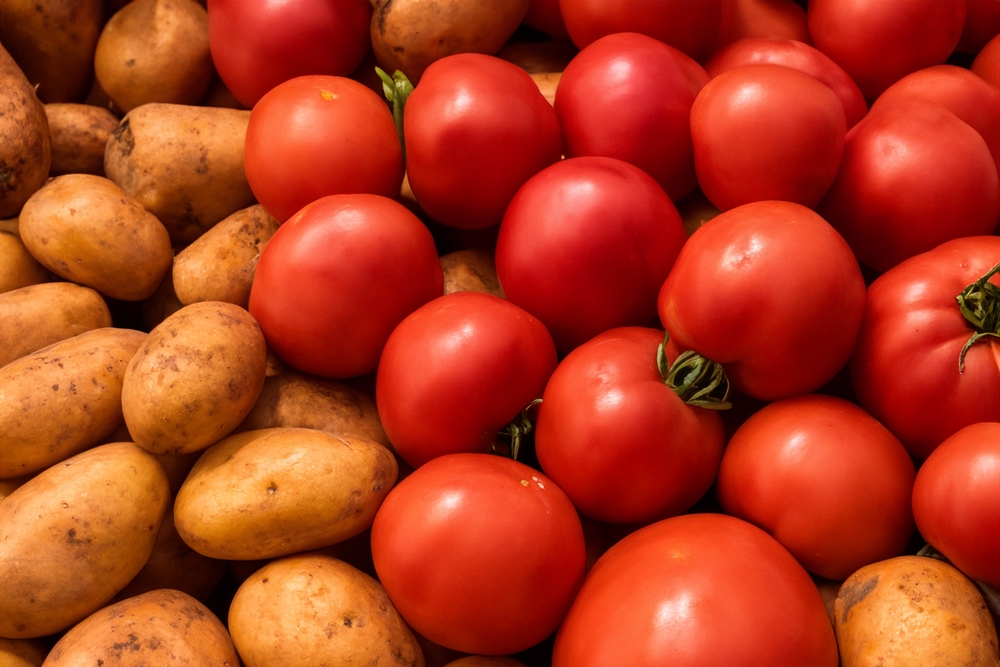
On paper, tomatoes and potatoes sound like they should get along. They’re related, they like similar soil, and they thrive in similar climates. In reality, planting them together is like hosting two people with the same bad habits in a small apartment. Both are highly susceptible to blight, especially late blight, which spreads fast and doesn’t care about your good intentions. When one gets sick, the other usually follows, and suddenly your garden bed becomes a disease hotspot instead of a harvest zone.
They also compete aggressively for nutrients, particularly potassium and nitrogen, which means both plants often underperform when grown side by side. You’ll see weaker growth, fewer flowers, and smaller yields even if everything else seems right.
2. Onions and Beans: A Silent Growth Killer
This pairing doesn’t explode with drama, but it fails quietly—and that’s what makes it dangerous. Onions release natural compounds into the soil that inhibit the growth of legumes like beans and peas. It’s not flashy or obvious; your beans just grow slower, thinner, and weaker, and you’re left wondering what went wrong.
Beans are nitrogen-fixers, which means they enrich the soil for other plants. Onions don’t benefit from that partnership the same way many vegetables do, and instead, they interfere with it. The result is a garden bed that looks fine but produces disappointing harvests.
3. Cucumbers and Aromatic Herbs: A Flavor and Growth Clash
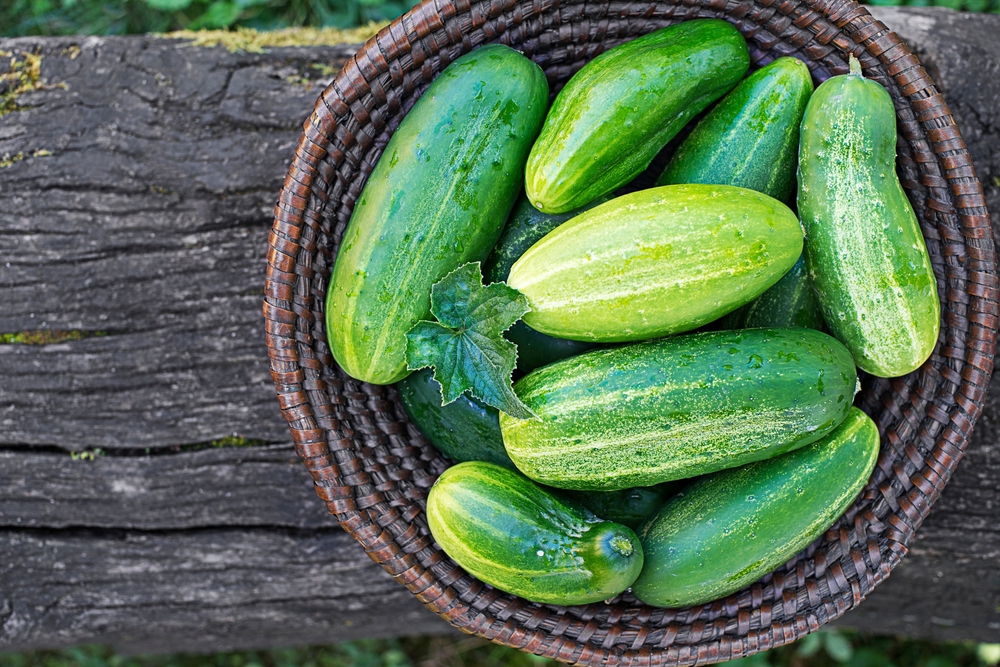
This one surprises a lot of gardeners because herbs feel like the ultimate companion plants. But not all herbs play nicely with all vegetables, and cucumbers are especially sensitive. Strong-scented herbs like sage, rosemary, and thyme can inhibit cucumber growth and affect flavor development. Cucumbers prefer moist soil and a more neutral environment, while Mediterranean herbs love drier soil and different conditions entirely.
Planting them together creates a constant environmental tug-of-war. The cucumbers struggle, the herbs don’t thrive, and neither plant performs at its best. If you love both, give them separate zones with soil and watering schedules that actually fit their needs. You’ll get better flavor, better growth, and far less frustration.
4. Cabbage and Strawberries: Pest Magnets in Stereo
Cabbage family plants already attract a long list of pests, including aphids, cabbage worms, and flea beetles. Strawberries, meanwhile, draw slugs, beetles, and other insects that love tender leaves and sweet growth. When you plant them together, you don’t just double your pest problem—you amplify it.
The pests feed on both crops, move easily between them, and create a thriving insect ecosystem you absolutely did not plan for. Disease pressure also increases when multiple vulnerable plants cluster together. Keeping these two apart reduces pest concentration and makes it easier to manage issues naturally instead of reaching for chemical solutions.
5. Fennel and Basically Everything
If plants had personality types, fennel would be the lone wolf. It releases chemicals into the soil that inhibit the growth of many surrounding plants, a process known as allelopathy. Tomatoes, beans, peppers, and many herbs struggle when grown near fennel, even if everything else about the soil and sunlight seems perfect.
Fennel also attracts beneficial insects, which is great, but that benefit doesn’t outweigh the growth suppression it causes nearby plants. The best move is to plant fennel in its own space, away from your main garden beds.
Garden Design Is Strategy, Not Decoration
You should always aim to work with nature instead of fight it. Companion planting is real science mixed with long-standing agricultural wisdom, and it matters more than most people realize. A garden isn’t just a collection of plants; it’s a living system where roots, microbes, insects, moisture, and nutrients all interact. When you plant incompatible neighbors together, you’re setting up invisible conflicts that affect everything from growth speed to disease resistance.
Simple spacing changes can dramatically improve yields, reduce pest pressure, and make your garden easier to manage. Start thinking in zones instead of rows, relationships instead of randomness, and function instead of just appearance. Your plants will respond, and your harvest will show it.
What plant combination caused the biggest surprise disaster in your garden, and what did you learn from it? Talk about it with fellow gardeners in the comments below.
You May Also Like…
Why January Is Ideal for Planning Companion Planting
7 Fall Companion Planting Combinations That Work
Does Your Garden Have the Right Soil Mix for Winter Planting?
Why You Should Be Planting Bulbs in December, Not Spring
Bare-Root Planting: The November Gardening Move No One Talks About

Brandon Marcus is a staff writer for FrugalGardening.com at District Media, Inc., where he delivers practical gardening advice with a relatable, no-nonsense style. An avid amateur gardener, he holds a BA degree and with over ten years of professional writing experience, he is also an award-winning published author whose first book, Questions For Deep Thinkers, was released by Adams Media. His work has appeared in major publications including Fandom.com, CHUD.com, TheColdWire.com, and Fansided.com.
Leave a Reply