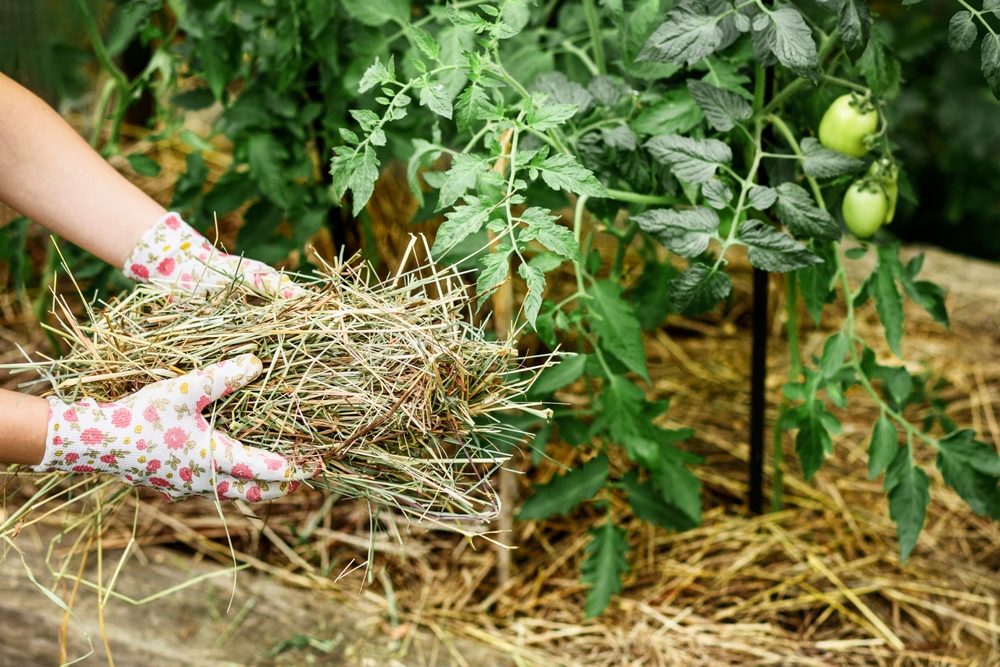
A shiny layer of reflective mulch might look like something from a futuristic garden experiment, but this simple tool can help small vegetable beds produce healthier plants and better harvests. Reflective mulch uses bright surfaces, often silver or metallic-colored materials, to bounce sunlight back toward plants while changing the garden environment in useful ways.
For gardeners working with limited space, every advantage matters. A few extra tomatoes, stronger pepper plants, or fewer pest problems can make a big difference when every square foot of soil counts. Reflective mulch does not work like magic garden glitter, but it can become a practical part of a smart growing strategy.
Why Reflective Mulch Catches Gardeners’ Attention
Reflective mulch uses light reflection to create a different growing environment around vegetables, especially crops that love warm, sunny conditions. The bright surface can send more light toward plant leaves, which may help certain vegetables produce more energy during the growing season. Small beds near fences, patios, or buildings often benefit because nearby structures can limit how much direct sunlight reaches plants.
Tomatoes, peppers, cucumbers, and squash often appear on the list of crops that gardeners consider for reflective mulch because these plants enjoy plenty of sunlight. The material also can help confuse some insect pests because the reflected light disrupts the way certain bugs locate plants.
The idea behind reflective mulch feels almost too simple, which makes it easy to overlook. Many gardeners focus on fertilizer, watering schedules, and seed choices while forgetting that the surface around a plant can influence its entire growing area. Reflective mulch adds another layer of control without requiring complicated equipment or a major garden redesign.
Small vegetable gardens often struggle with crowded conditions, especially when plants compete for light and airflow. A reflective surface can help maximize available sunlight while keeping the soil covered. The result depends on the crop, climate, and garden setup, but the technique gives gardeners another tool to test.
Reflective Mulch May Help With Certain Garden Pests
One of the most interesting benefits of reflective mulch involves its relationship with insect behavior around vegetable plants. The bright surface can make it harder for some pests, including certain aphids, to recognize and approach their preferred host plants. This approach works best as part of a larger pest management plan that includes healthy soil, beneficial insects, and regular plant checks.
Reflective mulch does not replace hand-picking pests, removing damaged leaves, or choosing resistant varieties when problems appear. Gardeners still need to inspect plants because no mulch can stop every insect that enters a backyard garden.
A common mistake involves expecting reflective mulch to act like a protective shield around vegetables. Gardens rarely work that way because nature always finds a way to participate in the party. A leaf-chewing insect might ignore the shiny ground completely, while another pest might avoid the area.
The best results come from combining reflective mulch with everyday gardening habits. Checking the underside of leaves, watering correctly, and keeping weeds under control still matter. Reflective mulch simply adds another layer of support, especially for gardeners who want fewer pest headaches without relying only on sprays.
Choosing and Using Reflective Mulch Correctly
Gardeners need to choose reflective mulch carefully because different materials create different results in vegetable beds. Silver plastic mulch remains one of the most common options because it reflects light while helping warm the soil and reduce weed growth. The mulch should sit flat against the soil surface so wind does not create a crumpled mess around young plants.
Gardeners should install reflective mulch before plants become large because placement becomes harder once vines and stems spread. Proper watering remains important because mulch changes soil conditions but does not provide moisture on its own.
Installation takes a little planning, but the process does not require advanced gardening skills. Many small-space gardeners cut openings in the mulch for seedlings and secure the edges with soil, landscape pins, or garden staples. The goal involves covering the soil while leaving enough room for plants to grow comfortably.
Reflective mulch also requires attention during hot weather because dark or poorly chosen materials can affect soil temperatures differently. Gardeners should match the mulch type with local conditions and the vegetables in the bed. A tomato patch in a sunny location may respond differently than a leafy green garden tucked beside a shaded wall.
Knowing When Reflective Mulch Makes Sense
Reflective mulch offers the most value for gardeners who grow sun-loving vegetables in small beds where every improvement matters. It makes less sense for crops that prefer cooler conditions or gardens where plants already receive ideal sunlight throughout the day. Gardeners should consider the location, vegetable variety, and seasonal weather before adding it to the shopping list.
A trial section of a garden bed can help determine whether reflective mulch improves plant performance in a specific yard. Comparing mulched plants with nearby uncovered plants can reveal useful differences without requiring a complete garden makeover.
Gardening often involves small experiments, and reflective mulch fits perfectly into that mindset. One gardener may notice stronger pepper production, while another may simply enjoy fewer weeds and cleaner soil around plants. The results can vary, but the process teaches valuable lessons about how a garden responds to small changes.
Reflective mulch works best when gardeners treat it as a helper rather than a miracle solution. Good soil, proper watering, and thoughtful plant selection still form the foundation of a productive vegetable bed. The shiny surface simply adds another interesting trick to the gardener’s toolbox.
A Small Shine Can Bring Big Garden Lessons
Reflective mulch can improve small vegetable beds by increasing reflected light, helping manage certain pests, and supporting better growing conditions for suitable crops. The technique works best when gardeners choose the right vegetables and combine mulch with consistent care. A small patch of reflective material can create an opportunity to learn more about how sunlight, soil, and insects interact.
Gardeners who enjoy experimenting may find reflective mulch worth testing in a corner of the vegetable patch before expanding its use. The brightest idea in the garden sometimes starts with something as simple as covering the ground.
Would reflective mulch fit into your vegetable garden plans this season, or do you prefer traditional mulch methods?
You May Also Like…
The Cheap Mulch Materials That Can Damage Plants or Soil
7 Common Mulching Mistakes That Kill Plants Fast
Mulching Magic: Budget-Friendly Ways To Conserve Water And Suppress Weeds
Why Mulch Is Essential for Retaining Soil Moisture
Stop Buying Mulch: 3 Free Alternatives Already in Your Backyard

Brandon Marcus is a staff writer for FrugalGardening.com at District Media, Inc., where he delivers practical gardening advice with a relatable, no-nonsense style. An avid amateur gardener, he holds a BA degree and with over ten years of professional writing experience, he is also an award-winning published author whose first book, Questions For Deep Thinkers, was released by Adams Media. His work has appeared in major publications including Fandom.com, CHUD.com, TheColdWire.com, and Fansided.com.
Leave a Reply