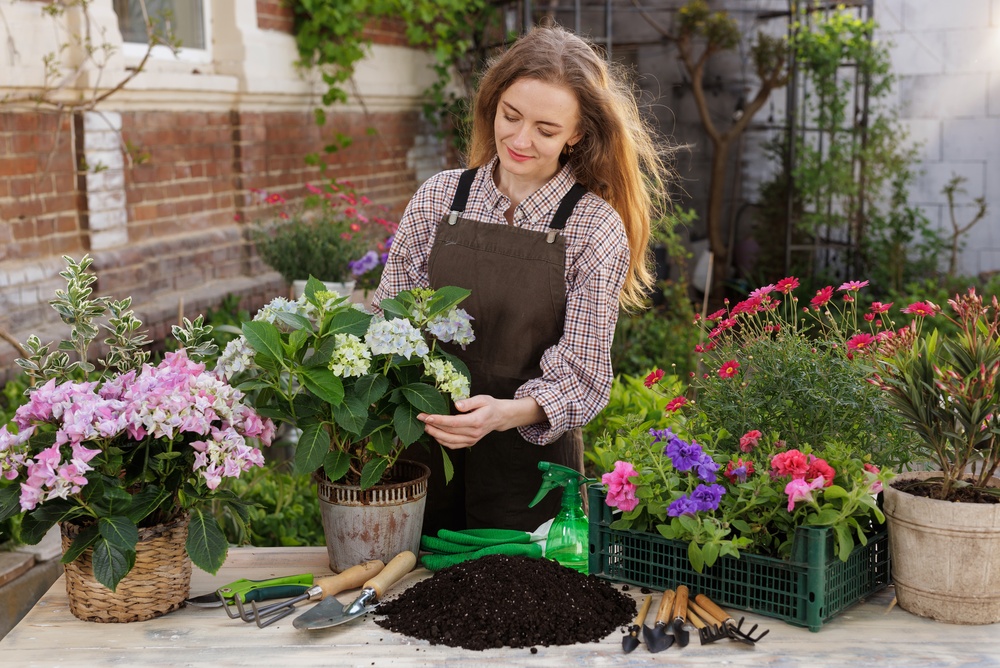
The old gardening rulebook says outdoor plants belong outside and houseplants belong inside, but plenty of gardeners now enjoy bending that rule. An “in-and-out plant” can spend part of the year outdoors soaking up natural light and fresh air, then move indoors when temperatures, frost, or harsh weather create trouble.
This approach gives gardeners another way to squeeze more use from favorite plants, especially tender perennials, tropical plants, herbs, and container specimens. It also creates a small seasonal ritual: the patio gets its summer cast of characters, then the best performers receive a ticket back indoors before the weather turns nasty.
The Patio Can Become a Summer Vacation Spot
Many plants appreciate outdoor conditions during warm weather because stronger natural light, better air movement, and summer temperatures can give them conditions that indoor spaces struggle to match. Container-grown tropical plants, certain herbs, succulents, and some foliage plants can spend summer outdoors when gardeners choose a suitable location. A bright porch or sheltered patio can offer plenty of light without exposing a tender plant to scorching afternoon sun. The trick involves matching the plant with the location instead of dumping every pot into the brightest corner and hoping for the best.
Moving plants outdoors also requires a little restraint, because a plant that spent months behind glass can react badly to sudden changes. Gradually increasing outdoor exposure helps plants adjust to stronger sunlight and changing temperatures without unnecessary leaf scorch. Start with a sheltered spot that receives gentler morning light, then increase exposure over several days as the plant adjusts. Wind deserves attention too, since a plant that handles a sunny windowsill perfectly may resent a gusty balcony.
Not Every Plant Wants a Two-Way Commute
The in-and-out method works best when a plant can tolerate both environments and when its container makes moving it practical. Tender plants that cannot survive local winter temperatures make especially interesting candidates because gardeners can enjoy them outdoors during warm months without treating them as permanent landscape plants. Some plants also benefit from a seasonal change in light, humidity, or temperature, although each species has its own preferences. A heavy ceramic pot filled with a sprawling plant, however, can turn this charming gardening experiment into an annual strength-training program.
Pests create another reason to pay attention before bringing a plant indoors. Aphids, spider mites, whiteflies, scale insects, and other unwanted hitchhikers can move inside with a plant and quickly discover an entire collection of new dining opportunities. Inspect stems, leaf undersides, soil surfaces, and drainage holes before making the move, then isolate returning plants from established houseplants for a while when practical. A careful inspection takes minutes, while chasing an indoor pest outbreak can consume an entire weekend.
Timing Matters More Than Gardeners Think
Temperature provides one of the biggest clues for deciding when an outdoor plant needs a trip inside. Gardeners should check the specific plant’s cold tolerance rather than relying on one universal temperature because tropical plants, tender perennials, and cool-season plants handle weather very differently. Frost poses an obvious threat, but an unexpected cold snap can also damage plants that tolerate mild autumn weather. Keeping an eye on the forecast gives container gardeners a valuable head start instead of forcing a frantic midnight plant rescue.
The transition indoors should also happen before a plant experiences serious cold stress. A gradual move toward lower light can help some plants adjust to the darker conditions they will encounter inside, while pruning overly long growth can make a plant easier to accommodate. Once indoors, place the plant near a suitable light source and avoid assuming that a sunny summer patio automatically translates into a bright enough winter window. Indoor air also tends to run drier during heating season, so gardeners should watch the plant rather than automatically increasing watering.
The Real Experiment Happens Indoors
The biggest surprise with in-and-out gardening often arrives after the plant crosses the threshold. A plant that looked spectacular on a summer deck may drop leaves, slow its growth, or show signs of stress after the move because indoor light, temperature, humidity, and airflow differ from outdoor conditions. Some leaf loss can occur as plants adjust, particularly when light levels change sharply. That does not automatically mean the plant has failed, but it does signal a need to check its growing conditions.
Watering habits deserve another adjustment because indoor plants often use water more slowly than they did outdoors. Gardeners should check the potting mix before watering and make sure containers have drainage holes so excess water can escape. Winter heating can dry the air, while reduced light can slow growth and reduce a plant’s water needs, creating a situation where a familiar summer watering routine suddenly causes problems. The goal involves responding to the plant’s current conditions rather than following a calendar or watering on autopilot.
A Few Plants Can Make the Experiment Worthwhile
In-and-out gardening does not require turning the entire yard into a mobile nursery. A few carefully chosen container plants can provide plenty of seasonal interest while keeping the workload manageable. Tender herbs, tropical foliage plants, some succulents, and other plants that cannot handle local winter conditions can make sensible candidates when their light and temperature requirements match the available indoor space. Gardeners can also choose smaller containers when possible, because a plant that fits through the doorway easily tends to inspire more enthusiasm when moving day arrives.
This strategy can also encourage gardeners to experiment with plants they might otherwise treat as temporary purchases. A plant that spends summer outside and winter inside can occupy the same container for multiple seasons when its needs align with the gardener’s conditions and care routine. That approach does not guarantee success, since pests, poor light, overwatering, and temperature swings can still cause trouble. It does, however, turn the garden into a more flexible space where a plant’s location can change as the seasons do.
Give Good Plants a Change of Address
The appeal of in-and-out gardening comes down to flexibility rather than some secret horticultural trick. Moving suitable plants between indoor and outdoor spaces can protect tender specimens from cold weather, provide stronger summer light, and let gardeners enjoy plants that would struggle as permanent outdoor residents. Success depends on gradual transitions, careful pest checks, appropriate light, sensible watering, and attention to temperature. In other words, the plant still makes the rules, but the gardener gets to change the address.
Would you try moving a favorite plant indoors and outdoors with the seasons, or does the thought of hauling pots through the doorway sound like too much gardening drama?
You May Also Like…
Why Are More Gardeners Designing Fire-Smart Borders?
Why Are More Gardeners Treating Dandelions as Edible Crops?
9 Gardening Trends That Are Suddenly Falling Out of Favor
9 Gardening Tricks That Can Stretch a Small Budget Further

Brandon Marcus is a staff writer for FrugalGardening.com at District Media, Inc., where he delivers practical gardening advice with a relatable, no-nonsense style. An avid amateur gardener, he holds a BA degree and with over ten years of professional writing experience, he is also an award-winning published author whose first book, Questions For Deep Thinkers, was released by Adams Media. His work has appeared in major publications including Fandom.com, CHUD.com, TheColdWire.com, and Fansided.com.
Leave a Reply