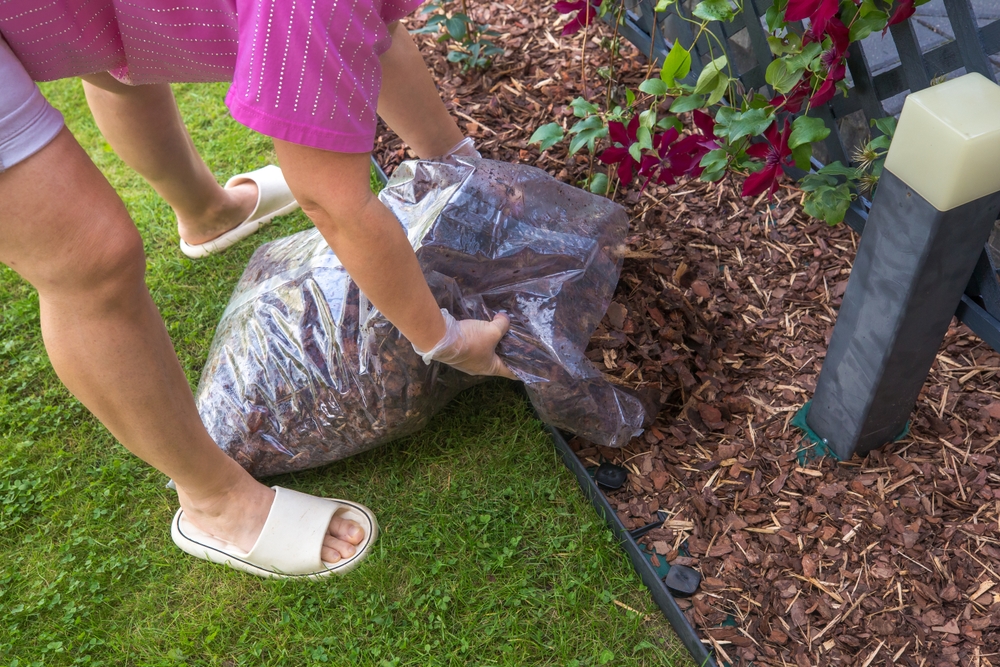
A fresh layer of mulch can make a garden look polished, professional, and healthy in a matter of minutes. It helps conserve moisture, regulate soil temperatures, suppress weeds, and improve soil quality over time. Yet one simple mistake with mulch can quickly turn a beautiful garden bed into a plant graveyard.
Many gardeners focus on what type of mulch to use but overlook how they apply it. Small errors often create big problems below the soil surface, where roots struggle for air, moisture becomes trapped, and diseases gain a foothold. Before spreading another bag of mulch, it pays to know which common mistakes can send plants into decline surprisingly fast.
1. Building Volcanoes Around Trees
One of the most damaging mulching habits involves piling mulch high against tree trunks, creating what many landscapers call a mulch volcano. While it may look neat and intentional, this mountain of mulch traps moisture against the bark and creates ideal conditions for rot. Trees evolved with their root flares exposed, not buried beneath piles of organic material. Excess moisture around the trunk often attracts insects and fungal diseases that weaken the tree over time.
The damage frequently develops slowly enough that homeowners miss the warning signs until major decline occurs. Bark may soften, crack, or begin peeling away, leaving the tree vulnerable to pests and disease. Root systems can also grow upward into the mulch layer instead of downward into the soil, creating instability. A better approach involves spreading mulch in a flat, even layer while keeping several inches of open space around the trunk.
2. Applying Too Much Mulch
More mulch does not automatically mean better results. Many gardeners spread six, eight, or even ten inches of mulch because they believe thicker coverage offers greater protection. In reality, excessive mulch often suffocates roots by limiting oxygen movement into the soil. Plants need air as much as they need water.
Heavy mulch layers can also trap excess moisture after rainfall or irrigation. Constantly wet conditions encourage root rot, fungal growth, and other moisture-related problems. Most landscape plants perform best with roughly two to four inches of mulch. That depth provides insulation and weed suppression without creating an unhealthy environment below the surface.
3. Using Fresh Wood Chips Directly Around Sensitive Plants
Fresh wood chips may seem like a free gardening jackpot, especially after tree trimming work. However, newly chipped wood begins decomposing immediately and can temporarily tie up nitrogen near the soil surface. Plants that need steady nutrient access may suffer yellowing leaves and reduced growth when fresh chips sit too close to their root zones.
This issue becomes particularly noticeable around annual flowers, vegetable gardens, and young shrubs. As microbes break down the wood, they consume nitrogen that plants would otherwise use. Aged mulch generally creates fewer problems because decomposition has already begun. Gardeners who use fresh wood chips often achieve better results by applying them around mature trees and shrubs rather than directly around nutrient-hungry plants.
4. Mulching Right Up Against Plant Stems
Trees are not the only plants that suffer from direct mulch contact. Perennials, shrubs, vegetables, and flowers can develop problems when mulch rests against their stems. Constant moisture around plant crowns creates a perfect environment for fungal diseases and stem rot. What begins as a simple cosmetic choice can quickly become a serious health issue.
Gardeners often notice wilting, discoloration, or sudden plant collapse without realizing mulch caused the problem. Air circulation plays a critical role in keeping stems healthy and dry. Leaving a small gap around each plant allows moisture to evaporate and reduces disease pressure. That simple adjustment often prevents problems before they start.
5. Choosing the Wrong Mulch for the Job
Not all mulch performs the same way in every garden situation. Some materials retain moisture exceptionally well, while others drain quickly or break down rapidly. Selecting the wrong type can create conditions that certain plants dislike. For example, moisture-loving mulch around drought-tolerant plants may keep roots wetter than necessary.
Rock mulch creates another common challenge. While decorative stones look attractive, they absorb and radiate heat during hot weather. Temperatures around plants can climb significantly, especially in sunny locations. Organic mulches such as shredded bark, pine straw, or compost generally moderate soil temperatures more effectively and contribute nutrients as they decompose.
6. Ignoring Existing Weed Problems Before Mulching
Many people assume mulch magically eliminates weeds the moment it hits the ground. Unfortunately, spreading mulch over established weeds often makes the problem worse. Aggressive weeds continue growing underneath and eventually push through the mulch layer. Some even gain extra protection from temperature extremes while hidden below.
A proper weed-control strategy starts before mulch application. Existing weeds should be removed by hand, dug out, or otherwise controlled before adding fresh material. Taking this extra step creates a cleaner foundation and allows mulch to perform its intended job. Skipping weed removal often leads to frustration just weeks later when unwanted plants reappear.
7. Forgetting to Refresh Mulch Properly
Mulch breaks down naturally over time, which benefits soil health but creates maintenance needs. Some gardeners ignore aging mulch for years until bare patches develop and weeds invade. Others make the opposite mistake by adding new layers annually without removing or redistributing old material. Both approaches can cause problems.
When mulch accumulates year after year, depths can become excessive without anyone noticing. Oxygen movement decreases, moisture problems increase, and roots may struggle. A better strategy involves checking mulch depth each season and maintaining an overall layer of two to four inches. Raking and fluffing existing mulch before adding a small amount of fresh material often produces the best results.
The Small Details That Make a Big Difference
Mulch remains one of the most valuable tools in gardening, but success depends on proper application. A few inches of well-placed mulch can protect roots, conserve water, and improve the appearance of any landscape. The same material, applied incorrectly, can contribute to rot, disease, nutrient deficiencies, and plant decline.
The good news is that every mistake on this list has a simple solution. Avoid piling mulch against trunks and stems, keep depths reasonable, choose the right material, and monitor conditions throughout the growing season. Small adjustments often lead to healthier plants, stronger root systems, and a garden that looks better year after year.
What mulching mistake caused the biggest problem in your garden, and what lesson did it teach you? Share your experience in the comments below.
You May Also Like…
Mulching Magic: Budget-Friendly Ways To Conserve Water And Suppress Weeds
Why Mulch Is Essential for Retaining Soil Moisture
Stop Buying Mulch: 3 Free Alternatives Already in Your Backyard
Free Sources of Mulch Many People Overlook
A Backyard Material That Can Work as Well as Mulch

Brandon Marcus is a staff writer for FrugalGardening.com at District Media, Inc., where he delivers practical gardening advice with a relatable, no-nonsense style. An avid amateur gardener, he holds a BA degree and with over ten years of professional writing experience, he is also an award-winning published author whose first book, Questions For Deep Thinkers, was released by Adams Media. His work has appeared in major publications including Fandom.com, CHUD.com, TheColdWire.com, and Fansided.com.
Leave a Reply