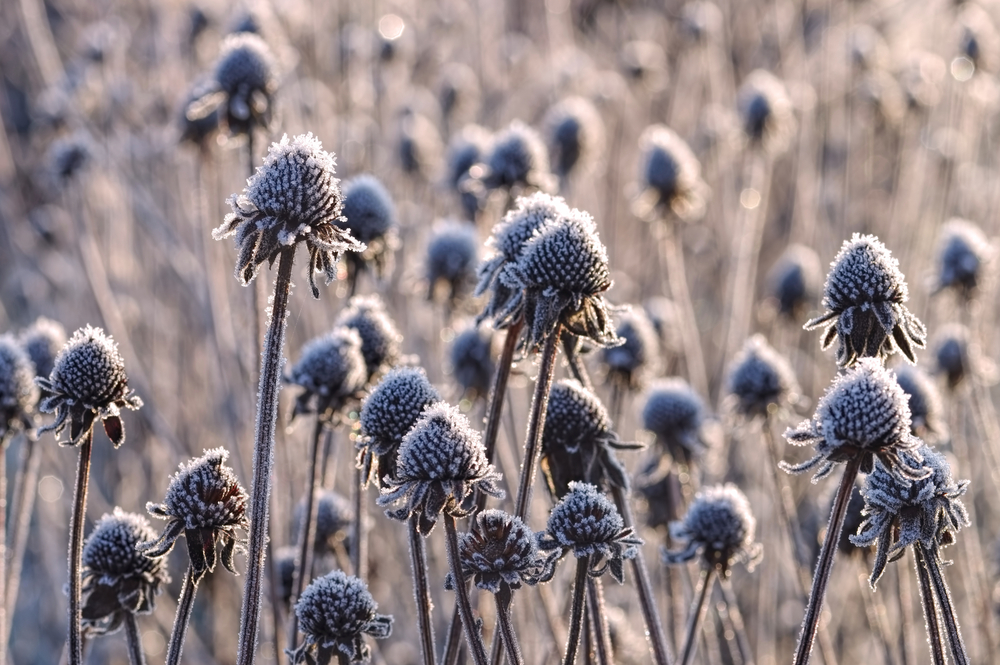
Winter can make even experienced gardeners second-guess themselves. One week your beds look fine, and the next they’re a jumble of brown sticks, collapsed stems, and patchy soil that screams “failure.” Before you start yanking everything out, remember this: plenty of perennials and hardy plants naturally go dormant and truly look dead for months. That sleepy phase is part of how they survive cold, not a sign you did something wrong. If you learn which plants pull this disappearing act, you’ll save money, save effort, and still get a big spring payoff.
1. Peonies That Vanish And Return Like Nothing Happened
Peonies collapse completely once hard freezes hit, and the top growth turns brown and brittle. Cut back the dead stems, but leave the roots alone because they’re storing energy underground.
Avoid deep digging near the crown, since peonies hate being disturbed once established. In spring, red shoots push up and quickly become lush foliage and heavy buds. If you think it might look dead, mark the spot so you don’t accidentally plant over it.
2. Coneflowers That Look Dead Until Warmth Hits
Purple coneflower (echinacea) often stands as a stiff, dry clump through winter, especially if you leave seed heads for birds. The stems can look lifeless, but the crown and roots are still viable below the soil line.
Cut back in late winter or early spring, and you’ll see new basal growth emerge as temperatures rise. Coneflowers like well-drained soil, so soggy spots are more dangerous than cold. If it seems dead, check drainage before you blame the plant.
3. Daylilies That Turn To Straw And Then Explode With Growth
Daylilies are famous for looking rough in winter because the leaves die back into a flattened, tan mound. That’s normal dormancy, not decline, and the plant’s true engine is the root system underneath.
Clean up the dead foliage to reduce hiding spots for pests and to make spring growth easier to see. When the days lengthen, daylilies send up fresh green fans fast. A clump that appears to look dead can end up flowering like crazy by early summer.
4. Hostas That Disappear Into Bare Dirt
Hostas can be dramatic in how completely they vanish. After frost, leaves collapse into mushy brown piles that look like a total loss, especially after a rainy cold snap.
Clear away the dead leaves, but don’t dig, because the crown is resting just under the surface. In spring, tight green “noses” pop up and unfurl into full leaves in a surprisingly short time. If you have multiple varieties, label them now so you don’t forget where each one lives.
5. Hardy Hibiscus That Looks Like A Bundle Of Sticks
Hardy hibiscus dies back to woody stems that can resemble a dead shrub, and it’s often one of the last plants to wake up in spring. People panic, pull it out, and then regret it when they learn it’s just late.
Leave the stems until late winter, then cut back to a few inches above the soil. Once temperatures truly warm, it pushes thick new shoots and can grow rapidly. It may look dead, but it’s often just waiting for real heat.
6. Ornamental Grasses That Stay Brown On Purpose
Many ornamental grasses turn golden or tan and keep their structure through winter. That dry look is part of their seasonal appeal, plus it offers shelter for beneficial insects and birds.
If you cut them down in late winter, you’ll make room for fresh green blades to emerge cleanly. Tie the clump with twine first to make trimming faster and less messy. When a grass clump seems to look dead, remember it’s designed to be a winter sculpture.
7. Russian Sage That Needs A Spring Reset
Russian sage can look like brittle gray stems with no obvious life in winter. The top growth often dies back, but the base and roots survive, especially in well-drained soil.
In early spring, cut stems back to encourage strong new growth from the lower portions. Full sun helps it recover quickly and keeps it from flopping later. If the plant appears dead, wait until you see what the base does once warmth returns.
8. Sedum That Collapses And Then Rebuilds
Many upright sedums, like ‘Autumn Joy,’ dry into brown stalks with dark seed heads and can look completely spent. You can leave the seed heads for winter interest or cut them back when you want a cleaner bed.
New growth typically emerges from the crown at soil level, not from the old stems. Sedum loves lean, well-drained conditions, so avoid heavy mulching that traps moisture. Even if it seems dead, it often rebounds with minimal help.
9. Bleeding Heart That Disappears After Stress
Bleeding heart often goes dormant after summer heat, and in cold climates it can vanish fully in winter too. That means you might see nothing but bare soil and assume it didn’t make it.
The roots rest underground, and the plant reappears in spring with delicate foliage and arching blooms. Keep the area lightly mulched and avoid digging where you planted it. When you see a plant look dead and then return gracefully, bleeding heart is a classic example.
The “Wait And Watch” Rule That Saves Plants And Money
Winter dormancy can look ugly, but it’s often a sign your plants are doing exactly what they should. The best frugal move is to label, mark, and give them time before you replace them. Focus on simple care: remove mushy foliage, improve drainage, and cut back at the right season. If you stay patient, many plants that look dead will reward you with stronger growth than you expected. That patience saves you from rebuying plants you already own.
Which plant in your yard makes you panic every winter, and what’s your best trick for remembering not to pull it too early?
What to Read Next…
10 Ways to Protect Evergreens From Snow Load Damage
8 Signs Your Soil Needs More Drainage Before Spring Rains
9 Cold-Frame Tricks That Keep Greens Growing in January
12 Seeds You Should Start Early If You Want Big Spring Harvests
9 Perennials You Should Leave Standing Until Spring and Why

Catherine is a tech-savvy writer who has focused on the personal finance space for more than eight years. She has a Bachelor’s in Information Technology and enjoys showcasing how tech can simplify everyday personal finance tasks like budgeting, spending tracking, and planning for the future. Additionally, she’s explored the ins and outs of the world of side hustles and loves to share what she’s learned along the way. When she’s not working, you can find her relaxing at home in the Pacific Northwest with her two cats or enjoying a cup of coffee at her neighborhood cafe.
Leave a Reply