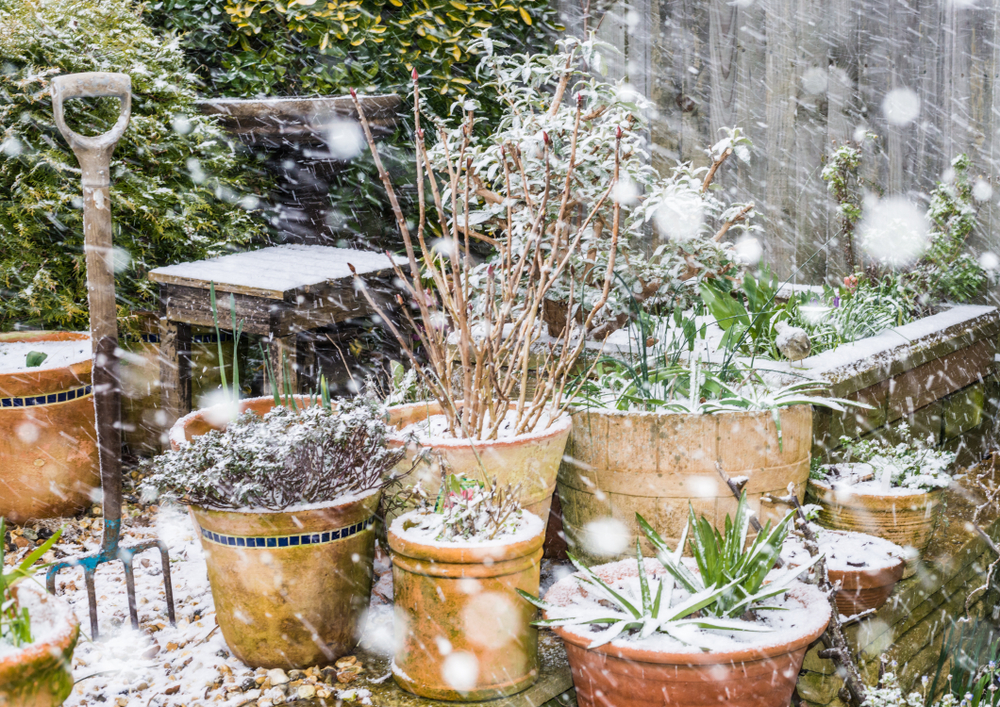
Winter is coming, and your garden containers are standing right in the line of fire! Those beautiful pots that held your summer blooms might look innocent now, but one cold snap could turn them into shattered pieces of ceramic chaos. The idea of walking outside to find a pile of broken pottery where your flowers once thrived is enough to make any gardener shiver. Frost doesn’t discriminate—it sneaks into every crack, every pore, and every unprepared container with the silent menace of a ninja.
Understanding whether your garden containers can survive the winter isn’t just a question of aesthetics; it’s a question of survival for your hard-earned plant pals.
How Frost Actually Attacks Garden Containers
Frost isn’t just a pretty coating of ice on your lawn; it’s a microscopic demolition crew. When water inside your pots freezes, it expands—sometimes by as much as 9%! That expansion exerts pressure on the walls of your container, and not all materials are up for the challenge. Terracotta, clay, and some ceramics are particularly vulnerable, often cracking under the pressure with a dramatic “crack!” that echoes through the garden. Knowing the material and its frost tolerance can save you from a winter gardening tragedy.
The Secret Life Of Frost-Resistant Pots
Not all containers are doomed when temperatures drop. Frost-resistant pots are usually made from materials designed to survive expansion and contraction without breaking. Fiberglass, high-quality resin, and certain treated ceramics can shrug off the cold like a superhero in a trench coat. Even natural stone varieties often have a fighting chance if they’re dense and properly sealed. Investing in frost-resistant containers isn’t just smart—it’s basically giving your plants a cozy winter insurance policy.
Identifying Frost-Rated Containers
Finding out if your pots can handle frost isn’t a guessing game. Many reputable manufacturers clearly label their containers as frost-resistant or outdoor-rated, and some even give a specific temperature rating. Look for words like “freeze-proof,” “winter-safe,” or “frost-tolerant” on tags and packaging. If the container is handmade or lacks labeling, you might need to do a simple water test: fill the pot, freeze it overnight, and inspect for cracks. This quick experiment can save you months of regret when winter sets in.
DIY Tricks To Protect Fragile Containers
If your beloved pots aren’t rated for frost, don’t panic—they can still survive with a little TLC. Wrapping containers in bubble wrap, burlap, or even old blankets can add an insulating layer that keeps frost from creeping in. Elevating pots slightly off the ground allows cold water to drain and reduces the risk of ice formation inside the base. Moving smaller containers indoors or into a garage can also save them from a harsh winter onslaught. Even a strategic cluster of pots placed together can provide mutual warmth and protection, proving that teamwork applies in gardening too.
Common Mistakes Gardeners Make With Winter Pots
Many gardeners unknowingly set their containers up for disaster. Leaving containers full of water is like giving frost a welcome party—it will expand and explode your pot from the inside. Using decorative but fragile materials without checking frost tolerance is another classic error. Some gardeners assume that thick walls equal frost resistance, but porous materials can still absorb water and crack. Finally, ignoring the weather forecast is like planting a snowball and expecting flowers in January—just don’t do it.
Choosing The Right Material For Your Climate
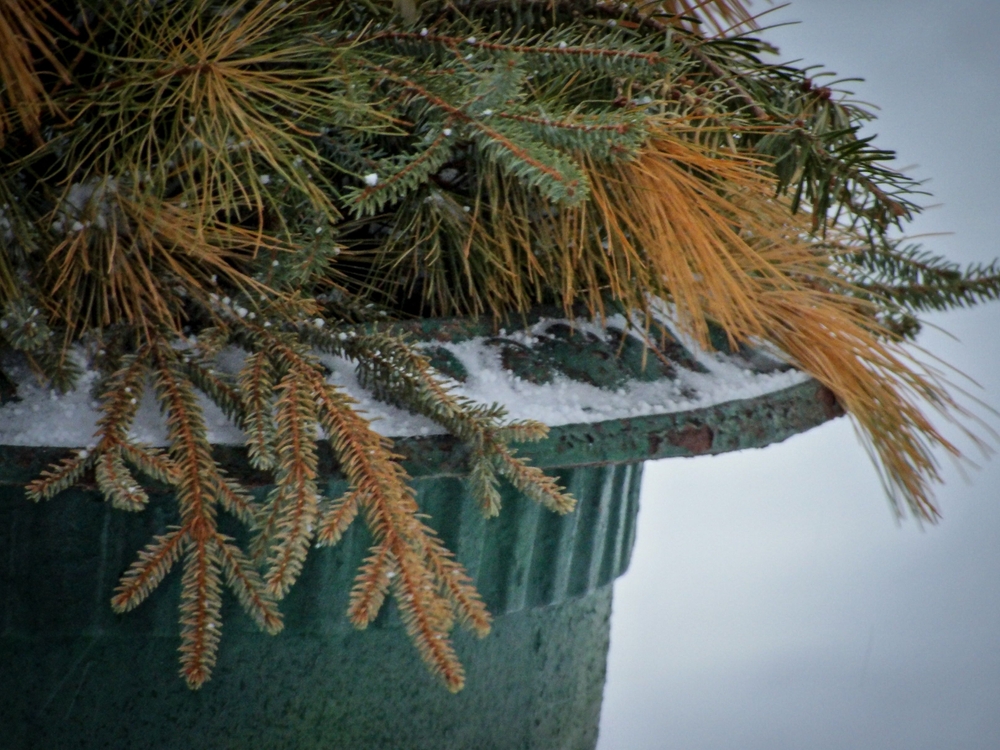
Not all pots are created equal, and climate plays a huge role in container survival. In regions with harsh winters, materials like resin, fiberglass, and high-fired stoneware are your best bet. Terracotta can survive mild frost, but anything below freezing demands extra precautions. Lightweight plastic pots may survive, but cheap plastic can become brittle and snap under frost pressure. Considering your local weather patterns before purchasing containers ensures that your winter gardening dreams don’t end in shards.
Winter Care Tips That Actually Work
Beyond picking the right containers, proper winter care is essential. Keep soil slightly dry to reduce expansion from freezing water. Rotate containers occasionally to prevent uneven stress from sun and frost exposure. Cover delicate plants with frost cloth or even a sheet to provide dual protection for both plant and container. For extremely fragile pots, consider emptying them and storing them in a sheltered location. Following these steps isn’t overkill—it’s survival 101 for frost-proof gardening.
The Hidden Benefits Of Frost-Resistant Pots
Using frost-resistant pots isn’t just about preventing cracks; it opens up a world of winter gardening possibilities. You can enjoy evergreens, ornamental grasses, and winter flowers without constantly moving pots indoors. These containers allow your outdoor space to stay visually appealing year-round, making your garden a wintry wonderland. They reduce the risk of injury from shattered pottery on icy days. Ultimately, investing in frost-rated containers pays off with durability, beauty, and peace of mind.
Your Winter Containers Matter
Winter can be harsh, but your garden containers don’t have to fall victim. Whether you invest in frost-resistant materials or protect your fragile pots with a little extra effort, knowing your options is key. Each crack prevented is a plant saved and a winter headache avoided. Remember, gardening isn’t just about the growing season—it’s about thinking ahead, one frost at a time.
Tell us your experiences or tips with winter container care in the comments section below; we’d love to hear how your garden survives the cold!
You May Also Like…
The Container Gardening Trick That Saves Space and Boosts Yield
10 Containers You Can Use to Grow Winter Annuals
How to Transition Summer Containers Into Autumn Displays
13 Composting Ideas to Use Holiday Kitchen Waste in Your Garden
9 Budget-Friendly Winter Garden Projects You Can Finish Before Spring

Brandon Marcus is a staff writer for FrugalGardening.com at District Media, Inc., where he delivers practical gardening advice with a relatable, no-nonsense style. An avid amateur gardener, he holds a BA degree and with over ten years of professional writing experience, he is also an award-winning published author whose first book, Questions For Deep Thinkers, was released by Adams Media. His work has appeared in major publications including Fandom.com, CHUD.com, TheColdWire.com, and Fansided.com.
Leave a Reply