
Every year, winter will strip the city bare, turning lively blocks into gray corridors and tiny gardens into forgotten corners. That’s exactly why evergreens matter so much in urban spaces, especially when square footage is tight and visual impact has to work overtime. These trees don’t just survive the cold months—they define them, bringing color, texture, and structure when everything else clocks out for the season.
In a small urban garden, the right evergreen can act like living architecture, softening hard lines and making winter feel intentional instead of endured. If you’re ready to give your compact outdoor space year-round personality, these evergreen tree choices are about to become your best allies.
1. Dwarf Alberta Spruce
This classic evergreen is beloved for its tidy, conical shape that feels tailor-made for small gardens. Dwarf Alberta spruce grows slowly, which means it won’t suddenly overwhelm your space or demand constant pruning. Its dense, bright green needles hold their color beautifully through winter, even in colder urban climates. Because it stays compact, it works just as well in containers as it does in the ground. For city gardeners who crave structure and symmetry, this tree delivers without drama.
2. Japanese Yew
Japanese yew brings quiet sophistication to winter gardens with its dark green, glossy needles. It tolerates pruning extremely well, making it ideal for tight spaces where control matters. This evergreen also handles shade better than many others, a huge plus in city yards shadowed by buildings. In winter, its rich color contrasts sharply with snow and stone. It’s a patient, long-living tree that rewards thoughtful placement.
3. Hinoki Cypress
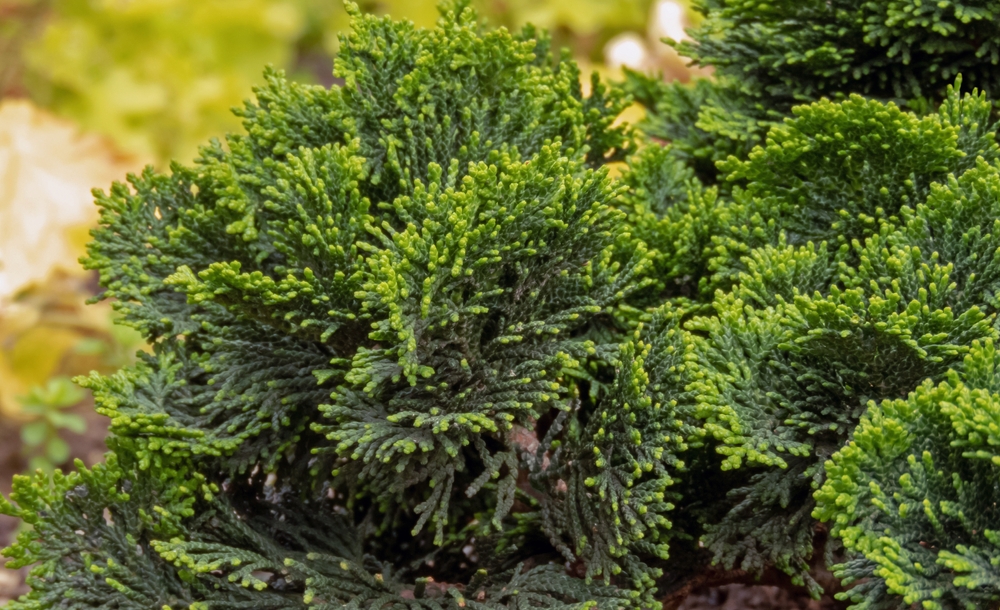
Hinoki cypress feels almost sculptural, with layered, fan-like foliage that adds texture to winter landscapes. Many dwarf varieties stay compact, making them perfect for urban gardens with limited room. Its foliage ranges from deep green to golden tones, offering subtle color shifts throughout the year. Even in the coldest months, it looks deliberate and refined rather than wild. This tree is ideal for gardeners who want elegance without excess maintenance.
4. Eastern Arborvitae
Eastern arborvitae is a winter workhorse that thrives in urban environments. Narrow varieties are especially useful for small gardens where width is at a premium. Its scale-like foliage stays green through winter, providing privacy and wind protection. Arborvitae also responds well to shaping, allowing you to maintain a clean, vertical profile. In snowy weather, it becomes a striking backdrop for winter light and shadow.
5. Korean Fir
Korean fir packs an impressive visual punch into a relatively small footprint. Its needles are dark green on top with silvery undersides that shimmer in winter light. One of its standout features is the upright purple-blue cones that appear even on young trees. This evergreen adds both color and personality when winter gardens need it most. It’s a fantastic focal point for compact urban spaces.
6. Boxwood Tree Form
Boxwood isn’t just for hedges—it also shines as a small tree in urban gardens. When trained into a tree form, it offers year-round structure and classic appeal. Its dense evergreen leaves hold up well against winter winds and cold snaps. Boxwood is especially useful near walkways or patios where tidy growth is essential. In winter, it brings a sense of order and calm to compact spaces.
7. Mugo Pine
Mugo pine is rugged, resilient, and surprisingly adaptable to city life. Its naturally compact growth habit makes it ideal for small gardens and containers. The dark green needles look especially striking against winter snow or concrete. Mugo pine also tolerates pollution and poor soil better than many evergreens. For urban gardeners who want a tough tree with character, this pine fits the bill.
8. Japanese Holly
Japanese holly is often mistaken for boxwood, but it brings its own winter strengths. Its small, glossy leaves stay vibrant through cold months without bronzing. Female plants can produce black berries that add subtle winter interest. Japanese holly handles pruning beautifully, allowing you to shape it for tight urban layouts. It’s a dependable evergreen that blends seamlessly into modern garden designs.
9. Columnar Juniper
Columnar junipers are built for narrow spaces, growing tall without spreading wide. Their blue-green or silvery foliage adds cool-toned contrast to winter gardens. These trees are extremely hardy and thrive in tough urban conditions. They work well as vertical accents or living screens in small yards. In winter, their strong form brings drama without clutter.
10. Dwarf Blue Spruce
Dwarf blue spruce offers bold color in a size that suits urban gardens. Its steely blue needles stand out brilliantly against winter’s muted palette. Slow growth keeps it manageable, even in tight quarters. This evergreen also has excellent cold tolerance, making it reliable year after year. It’s an eye-catching choice for gardeners who want winter color with personality.
11. Serbian Spruce
Serbian spruce delivers elegance without demanding excessive space. Its slender profile and gently drooping branches create a graceful winter silhouette. The needles are dark green with silvery undersides that catch the light beautifully. This tree adapts well to urban environments and resists many common pests. For small gardens craving height and refinement, Serbian spruce is a smart final pick.
Small Gardens, Big Winter Impact
Evergreen trees are more than just winter survivors—they’re winter storytellers, shaping how your garden feels when the temperature drops. In small urban spaces, choosing the right tree can transform a cold, empty yard into a place that feels alive all year. Whether you lean toward sculptural forms, bold color, or classic structure, there’s an evergreen that fits your space and your style. Thoughtful selection ensures your garden works just as hard in January as it does in June.
Feel free to leave your thoughts, experiences, or favorite winter garden moments in the comments section below.
You May Also Like…
Why Using Native Plants Makes Your Winter Garden Resilient
8 Winter Garden Paving & Path Ideas for Snowy Landscapes
How to Use Berry-Bearing Shrubs for Winter Garden Drama
13 Ways to Use Evergreens, Berries & Bark for Winter Garden Interest
8 Evergreen Shrubs That Give Your Garden Color All Winter

Brandon Marcus is a staff writer for FrugalGardening.com at District Media, Inc., where he delivers practical gardening advice with a relatable, no-nonsense style. An avid amateur gardener, he holds a BA degree and with over ten years of professional writing experience, he is also an award-winning published author whose first book, Questions For Deep Thinkers, was released by Adams Media. His work has appeared in major publications including Fandom.com, CHUD.com, TheColdWire.com, and Fansided.com.
Leave a Reply