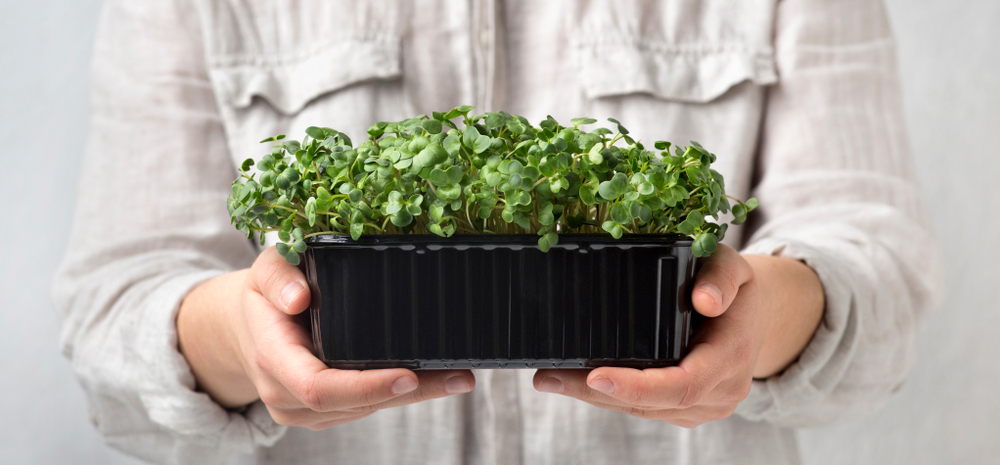
Winter sometimes dares gardeners to give up, but a quiet rebellion is happening on windowsills, countertops, and kitchen shelves everywhere. While the ground outside freezes solid, tiny trays of microgreens are exploding with color, flavor, and confidence indoors.
Garden bloggers have turned these small-but-mighty plants into the stars of the cold season, documenting wins, failures, and surprising lessons with contagious enthusiasm. Their posts read less like instruction manuals and more like battle stories from a cheerful indoor jungle.
If you have ever wondered whether winter growing is worth the effort, the collective voice of garden bloggers has a very loud and very leafy answer.
Why Winter Microgreens Are Stealing The Spotlight
Garden bloggers consistently describe winter microgreens as a way to keep gardening joy alive when outdoor beds are asleep. Many say the psychological boost matters just as much as the harvest, especially during gray, short days. Bloggers often point out that microgreens scratch the itch to grow something without committing to a full indoor garden.
The instant gratification of seeing sprouts within days makes them uniquely satisfying compared to slow-growing houseplants. For many writers, winter microgreens feel like a secret weapon against seasonal burnout.
What Bloggers Love About Speed And Simplicity
One theme that comes up again and again is how fast microgreens grow, even in the depths of winter. Bloggers rave about planting seeds on a Sunday and harvesting by the following weekend. The simplicity of the process is frequently praised, with many noting that it feels approachable for beginners. Several bloggers emphasize that there is very little risk compared to traditional indoor gardening. This speed-to-reward ratio is often credited with turning skeptical readers into enthusiastic repeat growers.
Flavor Surprises That Beat Store Bought Greens
Flavor is where bloggers truly light up, often admitting they were not prepared for the intensity. Many describe winter-grown microgreens as brighter and bolder than supermarket greens that traveled long distances. Bloggers frequently compare the taste to concentrated versions of full-grown plants, but fresher and more alive. Some even say microgreens have changed how they cook during winter, inspiring simpler meals that let flavors shine. The consistent message is that these tiny greens punch far above their weight.
Lighting Myths And Real World Lessons
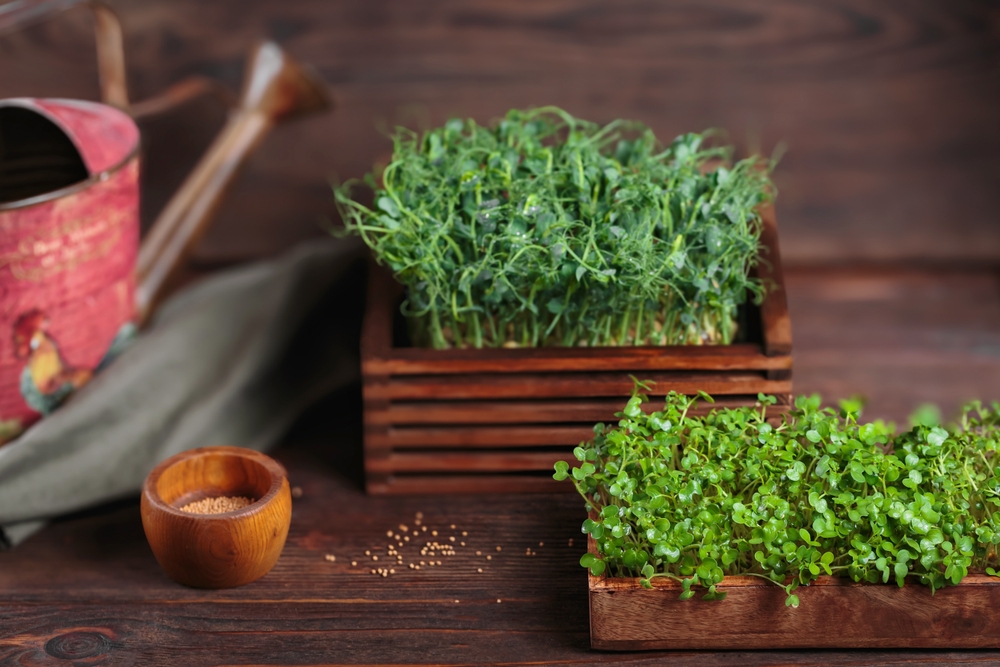
Lighting is one of the most debated topics among garden bloggers writing about winter microgreens. Some admit they started with nothing more than a sunny window and were shocked by decent results. Others swear by inexpensive grow lights and say the improvement in color and growth is undeniable. Bloggers often caution readers not to overthink lighting at the beginning. The shared lesson is that progress matters more than perfection, especially when enthusiasm is fragile in winter.
Containers, Soil, And Setup Debates
Garden bloggers love to experiment, and their posts reveal a wide range of opinions on setup choices. Some champion shallow trays and specialty soil mixes, while others proudly reuse takeout containers and basic potting soil. Bloggers frequently stress that microgreens are forgiving and adapt well to imperfect conditions. Many writers encourage readers to start with what they already have at home. The overall tone suggests that creativity often matters more than buying the “right” gear.
Nutrition Claims Under The Microscope
Nutrition is a major reason bloggers cite for growing microgreens during winter months. Many reference studies suggesting microgreens can be more nutrient-dense than mature greens. Bloggers often balance excitement with caution, reminding readers that microgreens are part of a bigger dietary picture.
Several writers emphasize freshness as the true nutritional advantage, since winter store produce can be days or weeks old. The consensus is that microgreens are not magic, but they are a smart and tasty addition.
Common Mistakes Bloggers Warn About
Alongside success stories, bloggers are refreshingly honest about what goes wrong. Overwatering is the most common mistake mentioned, especially when indoor air is dry and cool. Bloggers also warn about overcrowding seeds, which can lead to mold or weak growth. Many stress the importance of airflow, even in winter, to keep trays healthy. These cautionary tales help newcomers avoid frustration and build confidence quickly.
Final Thoughts From The Winter Windowsill
Garden bloggers paint winter microgreens as more than a hobby, framing them as a mindset shift. They encourage readers to see winter not as a pause, but as a different growing season with its own rewards. Many writers highlight the pride that comes from harvesting fresh greens when snow is falling outside. The stories often end with an invitation to experiment, observe, and adapt.
Now you are warmly encouraged to add your own thoughts or stories in the comments section below and join the gardening conversation.
You May Also Like…
12 Ways to Grow Microgreens Indoors While the Ground is Frozen
Why Indoor Gardening Is Trending in Cold-Climate Homes
14 Cold-Frame Upgrades That Extend Your Growing Season
12 Holiday Seed Swap Ideas for Garden Communities
8 Garden Sheds You Should Insure for the Winter Months

Brandon Marcus is a staff writer for FrugalGardening.com at District Media, Inc., where he delivers practical gardening advice with a relatable, no-nonsense style. An avid amateur gardener, he holds a BA degree and with over ten years of professional writing experience, he is also an award-winning published author whose first book, Questions For Deep Thinkers, was released by Adams Media. His work has appeared in major publications including Fandom.com, CHUD.com, TheColdWire.com, and Fansided.com.
Leave a Reply