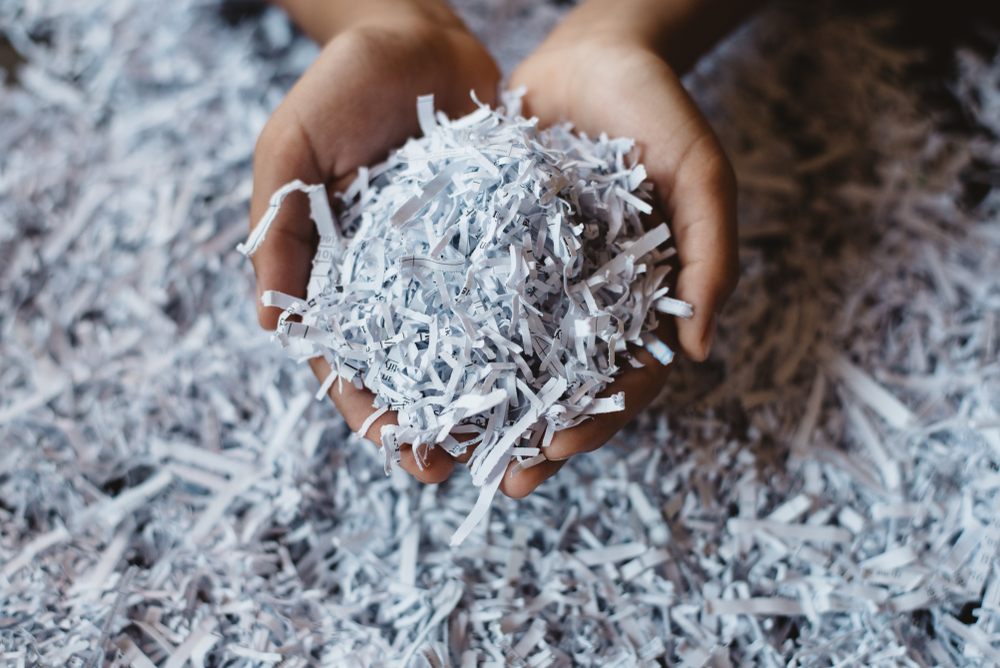
Should you use shredded paper as garden mulch? It might sound like a quirky, even questionable idea at first—but don’t toss it out just yet. In a world where so much gardening advice is either outdated or downright misleading, I’m usually the first to call out myths and misguided tips. But this time, I’m here to back up a hack that actually works. Using shredded paper as mulch isn’t just cost-effective—it’s surprisingly beneficial for your soil, your plants, and even the planet. If you’ve been staring at a pile of old documents and wondering whether they could serve a better purpose than filling your trash bin, your garden might just be the perfect destination.
What is Mulch?
Mulch is a substance added to the garden that helps soil retain moisture and stay cool. It also keeps weeds away and can prevent frost damage in the winter. Organic mulches break down and can eventually improve the condition and nutrient composition of the soil. Non-organic mulches, like plastic mulch, can’t break down but can often be reused year after year.
Other things you can use for mulch include:
- wood chips
- leaves
- straw
- coco coir
- compost
- plastic
And yes, you can use shredded paper as mulch! One huge benefit of paper mulch is that it’s FREE and super easy to make. If you regularly use a paper shredder, emptying the canister and using the remnants in your garden is a good way to recycle them since most recycling plants don’t accept shredded paper.
How to Use Shredded Paper as Mulch
The main task you need to complete before using paper as mulch is shredding. You can use a paper shredder to rip the paper into pieces or do it by hand.
If you need to make a lot of paper mulch and don’t have a shredder, try getting the family involved in shredding paper.
Be careful when selecting the paper you’ll be shredding. Anything thick and glossy—like pages in a color magazine—contains heavy metals that can leach out into the soil. But newsprint and regular printer paper are generally safe to use as mulch.
As with any kind of mulch, cutting it into small pieces is key. Plus, if you tried to stick sheets of paper over the soil, they’d quickly end up blown elsewhere.
After applying shredded paper to your garden, dampen it with water to keep it from flying all over the place.
Did you know that you can also add shredded paper to your compost bin? If you have plenty of mulch and not enough room in your recycling bin, shredded paper can go into the compost and takes about 2 to 6 weeks to break down. It’s considered a “brown” ingredient, so if you drop a lot of shredded paper into your bin, make sure to balance it out with “green” ingredients like grass clippings.
Soil Test Results: Why They Matter
Before you spread shredded paper—or any mulch—over your garden, it’s smart to understand what’s happening beneath the surface. Soil testing provides critical insights into pH, nutrient levels, organic matter, and texture, helping you tailor your gardening practices for healthier plants.
- pH balance: Most vegetables thrive in soil with a pH between 6.0 and 7.0. A test reveals whether your soil is too acidic or alkaline, guiding you toward amendments like lime or sulfur.
- Nutrient levels: Soil tests highlight deficiencies in nitrogen, phosphorus, potassium, and micronutrients. This prevents over-fertilization and ensures your plants get exactly what they need.
- Organic matter: Results show how much compost or mulch your soil can benefit from, helping you decide whether shredded paper should be supplemented with richer organic materials.
- Customized recommendations: Many labs provide treatment plans specific to your garden type—vegetable beds, lawns, or flower plots—so you can act with precision.
By combining soil test results with mulch strategies, you avoid guesswork and create a balanced environment where shredded paper can complement other organic inputs.
2025 Recycling Tips for Sustainability
Using shredded paper as mulch is already a clever recycling hack, but 2025 brings new opportunities to reduce waste and live sustainably. Recycling systems are evolving, and small changes at home can make a big impact.
- Assess your waste habits: Start by tracking what you throw away. Identifying gaps in your recycling routine helps you move toward a zero-waste lifestyle.
- Smarter recycling tech: AI-powered sorting systems and community recycling apps are making it easier to recycle correctly and reduce contamination.
- Focus on the 3Rs: Reduce, reuse, recycle remains the backbone of sustainability. In 2025, reducing single-use plastics and reusing household items will be more important than ever.
- Composting counts: Food scraps, yard waste, and shredded paper can all be composted, keeping organic matter out of landfills and enriching your soil.
- Community action: Recycling rates in the U.S. still hover around 21% of residential waste, but collective participation can push that number higher.
By integrating shredded paper mulch into your garden and adopting these recycling practices, you’re not just improving your soil—you’re contributing to a cleaner, greener planet.
From Shreds to Sustainability
Shredded paper mulch may not be the first material that comes to mind when you think of gardening, but it’s a simple, effective, and eco-friendly choice. By pairing it with soil test results, you ensure that your garden gets exactly what it needs—balanced nutrients, proper pH, and improved structure. And when you view this practice through the lens of 2025’s recycling and sustainability goals, it becomes more than just a gardening hack; it’s a small but meaningful step toward reducing waste and protecting the planet. Whether you’re tending vegetables, flowers, or shrubs, using shredded paper as mulch proves that everyday materials can have a second life, helping both your garden and the environment thrive.
Here’s a look at how you can utilize this in your own garden.
This post includes affiliate links. If you purchase anything through these affiliated links, the author/website may earn a commission.
Leave a Reply