Every gardener loves the thrill of new sprouts and blooms, the delicate dance of colors and scents that make a garden feel like magic. But lurking among those tender shoots are sneaky invaders—plants that seem innocent, almost charming, but are ready to wage war on your carefully nurtured paradise. One moment your garden looks picture-perfect, the next a stealthy green interloper is taking over like an uninvited guest who refuses to leave.
These weeds are masters of disguise, tricking gardeners with their small stature or pretty leaves, while secretly plotting to choke out every flower and vegetable. If you want your garden to stay glorious and not chaotic, you need to know your enemy before it’s too late.
1. Creeping Charlie: The Lawn-Loving Menace
Creeping Charlie, also known as ground ivy, looks like a cute little vine with tiny purple flowers and shiny leaves. Many gardeners think it’s a decorative ground cover, but this weed spreads like wildfire, sending out underground runners that choke everything in its path. Once it sets up shop, it’s almost impossible to remove completely, popping up in garden beds, lawns, and even between pavers. Its low growth and creeping nature allow it to hide under the radar until it has taken over entire sections of your garden. Regular vigilance and spot treatments are essential if you want to keep Creeping Charlie from turning your garden into its own green empire.
2. Bindweed: The Twisting Terror
Bindweed may start with delicate white or pink trumpet-shaped flowers that seem like a gift from nature. Don’t be fooled—beneath its innocent blooms lies a root system that can extend several feet underground. It wraps around your plants like a clingy vine, choking stems and stealing nutrients from your prized flowers or vegetables. Pulling it out by hand often leaves roots behind, which just grow back stronger, making it a persistent and frustrating foe. The key to beating bindweed is persistence, deep digging, and a watchful eye, because once it takes hold, it can dominate a garden bed faster than you can say “oops.”
3. Horsetail: The Prehistoric Invader
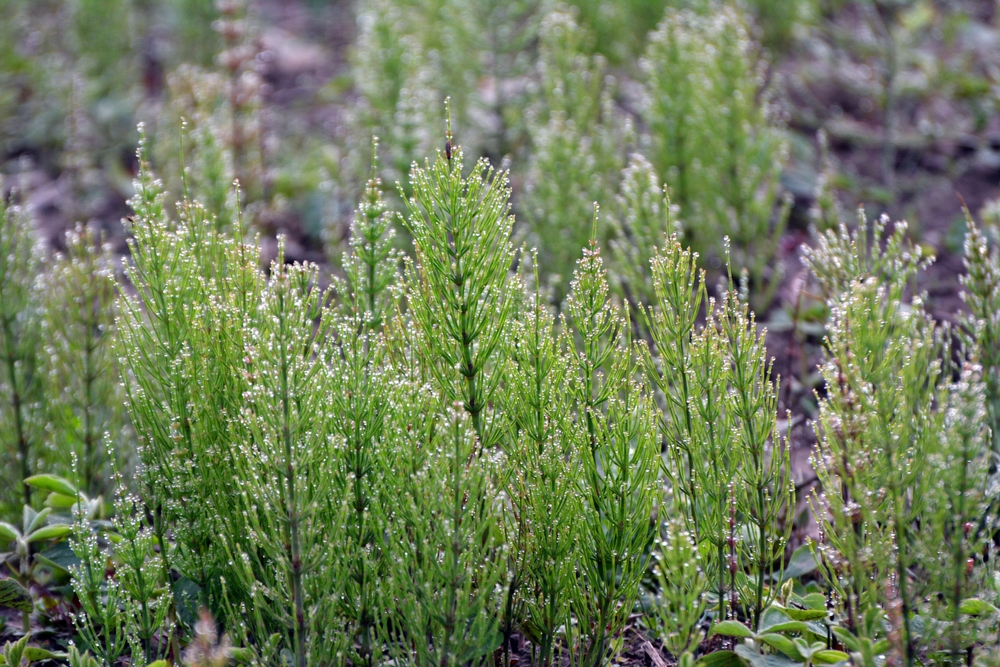
Horsetail looks like a quirky, spindly fern that adds a prehistoric vibe to your garden, but don’t let its charm fool you. This plant has a tenacious root system that thrives in wet conditions and resists most herbicides, making it a nightmare for gardeners. It spreads through underground rhizomes that regenerate even from tiny fragments, so removing it requires more than just pulling it up. If left unchecked, horsetail can dominate garden beds, crowding out flowers, vegetables, and ornamental grasses. Consistent management with physical barriers or repeated cutting is crucial to prevent it from taking over entirely.
4. Nutgrass: The Sneaky Grass Impostor
Nutgrass may look like a perfectly innocent tuft of grass, but it is anything but harmless. Unlike regular grass, it produces underground tubers called nutlets that allow it to regenerate even after being pulled. This stealthy weed competes aggressively for nutrients, sunlight, and water, making it a serious threat to both flower beds and vegetable patches. It spreads silently and efficiently, often going unnoticed until it has created a dense mat that is nearly impossible to eradicate. Early detection and careful removal, combined with mulching or targeted herbicides, are essential to keep nutgrass from hijacking your garden.
5. Chickweed: The Soft-Leafed Saboteur
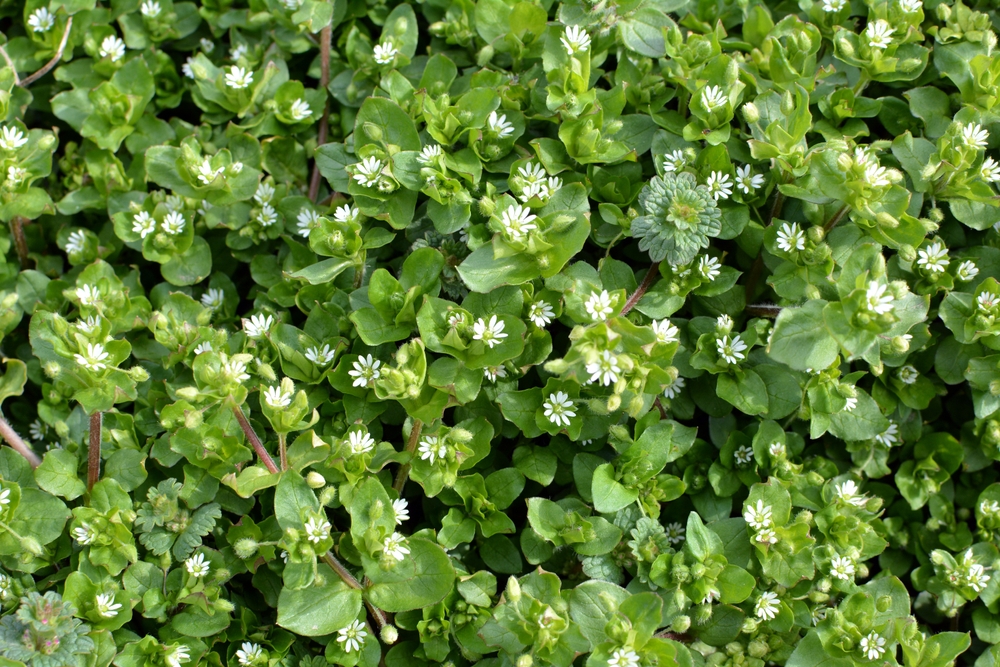
Chickweed is small, soft, and looks almost cuddly, with tiny white flowers and delicate leaves that make it seem harmless. But don’t let its gentle appearance lull you into complacency—this weed is a prolific seed producer and can quickly smother seedlings. It thrives in cool, moist conditions, often spreading under mulch or along garden edges without anyone noticing. Chickweed competes directly with young plants, stealing light, water, and nutrients while hiding its rapid spread behind a charming facade. Vigilant removal and preventative measures, like dense mulching, are necessary to keep chickweed from transforming a well-kept bed into a green battlefield.
Guard Your Garden With Knowledge
The joy of gardening comes from watching your plants flourish, but even the most careful gardener can fall victim to these sneaky green intruders. Recognizing the weeds that look harmless but are secretly ruthless is the first step in protecting your garden’s beauty and productivity.
By staying vigilant, using smart removal strategies, and keeping an eye on every inch of your beds, you can prevent a minor annoyance from turning into a full-blown invasion. Your garden deserves to be a space of peace and pride, not a battlefield of rogue plants.
What have been your most shocking encounters with these deceptive weeds? Tell your thoughts and experiences in the comments section below.
You May Also Like…
The One Weed You Should Never Ignore in November
Killing Weeds with Diesel? Here’s What You Need to Know First
10 Garden Tasks That Prevent Spring Weeds
5 Fall Weeds You Should Pull Immediately
The Mulch Trick That Saves Water and Fights Weeds

Brandon Marcus is a staff writer for FrugalGardening.com at District Media, Inc., where he delivers practical gardening advice with a relatable, no-nonsense style. An avid amateur gardener, he holds a BA degree and with over ten years of professional writing experience, he is also an award-winning published author whose first book, Questions For Deep Thinkers, was released by Adams Media. His work has appeared in major publications including Fandom.com, CHUD.com, TheColdWire.com, and Fansided.com.
Leave a Reply