Strawberry growers spend months coaxing out those juicy, ruby-red jewels, only to watch them fall victim to heat, weeds, rot, or hungry wildlife. Garden centers may recommend plastic mulch sheets for neatness and weed control, but plastic comes with hidden problems: overheating soil, water runoff issues, and no improvement to long-term soil health. Gardeners who want the highest yields and healthiest berries are turning back to a traditional favorite that outperforms plastic in almost every category.
This mulch isn’t shiny or synthetic; in fact, it’s humble, golden, and right at home with strawberries. If your beds are begging for something better, let’s talk about straw—the real champion of the strawberry world.
Why Straw Mulch Works So Well
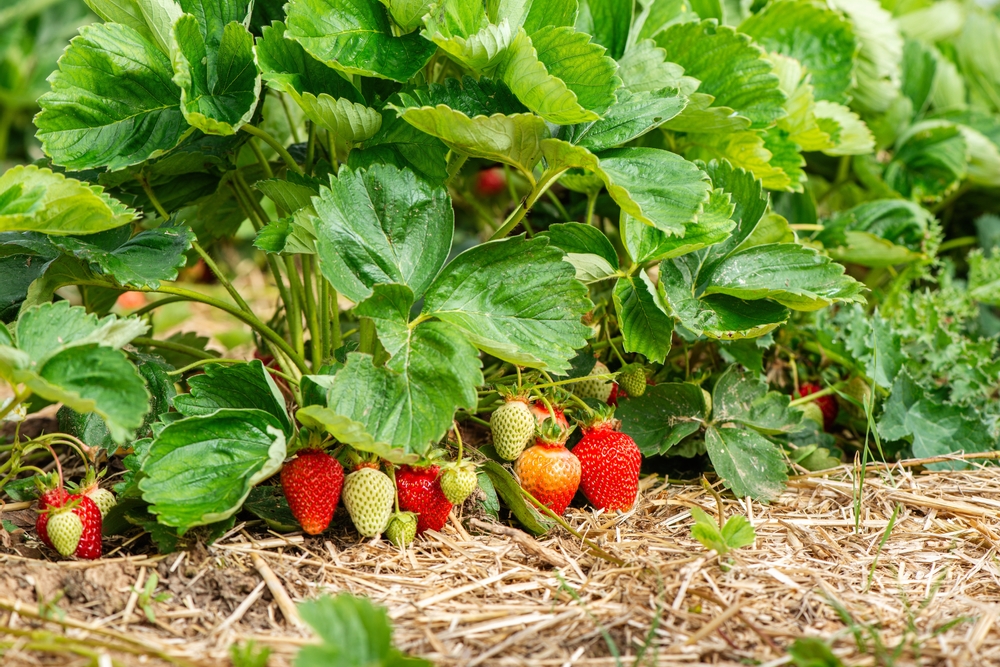
Straw mulch offers physical protection to strawberries, cushioning berries from contacting the soil and preventing rot. Unlike plastic, which traps heat, straw helps regulate temperature by shading the soil and keeping it comfortably cool. The airy and fibrous structure of straw also improves moisture retention while still allowing water and oxygen to pass through easily. Over time, straw begins to break down and enrich the soil, creating a healthier growing environment for subsequent seasons. These combined benefits make straw a dynamic mulch, offering both immediate improvement and long-term sustainability.
Straw Mulch Stops Weeds Without Suffocating Plants
Plastic mulch does block weeds, but it also blocks airflow and can create a stuffy environment that encourages fungus and heat stress. Straw, on the other hand, naturally suppresses weed growth while still allowing the soil to breathe. It forms a gentle cover that smothers weed seeds before they can germinate. Because straw does not form a tight seal, beneficial insects and microbes can continue supporting healthy plant development. The result is a more balanced bed where your strawberries thrive without competition.
Better Moisture Management Means Better Fruit
Straw’s ability to regulate moisture is one of its greatest strengths. It prevents quick evaporation, so your soil remains consistently damp but not soggy. Plastic tends to repel water and cause runoff, which means plants often receive less hydration than you’d expect. Straw allows rain and irrigation water to pass through evenly, distributing moisture where roots can use it efficiently. For strawberries, which require steady moisture to develop plump, sweet fruit, straw mulch provides an environment perfectly aligned with their needs.
Straw Helps Protect Strawberries from Weather Fluctuations
Strawberries are sensitive to temperature swings, especially early in the season. Straw mulch acts as natural insulation, keeping the soil warmer during late frosts and cooler during sudden heat. Plastic heats the soil rapidly, which may sound helpful at first, but it can cause root stress and uneven growth. Straw’s insulation stabilizes temperature changes so strawberry plants grow steadily and predictably. This stability leads to consistent fruit development and fewer losses due to weather-related shock.
Straw Improves Soil Health Over Time
Plastic mulch provides surface-level benefits but does nothing to nourish or enrich the soil. Straw, however, slowly decomposes and feeds organic matter back into the earth. This contributes to healthier, more fertile soil with improved structure and aeration. Earthworms and beneficial microbes flourish under straw, turning your strawberry bed into a thriving underground community. Over seasons, the soil becomes easier to work, more resilient, and naturally more productive.
Straw Mulch Helps Keep Fruit Clean and Flaw-Free
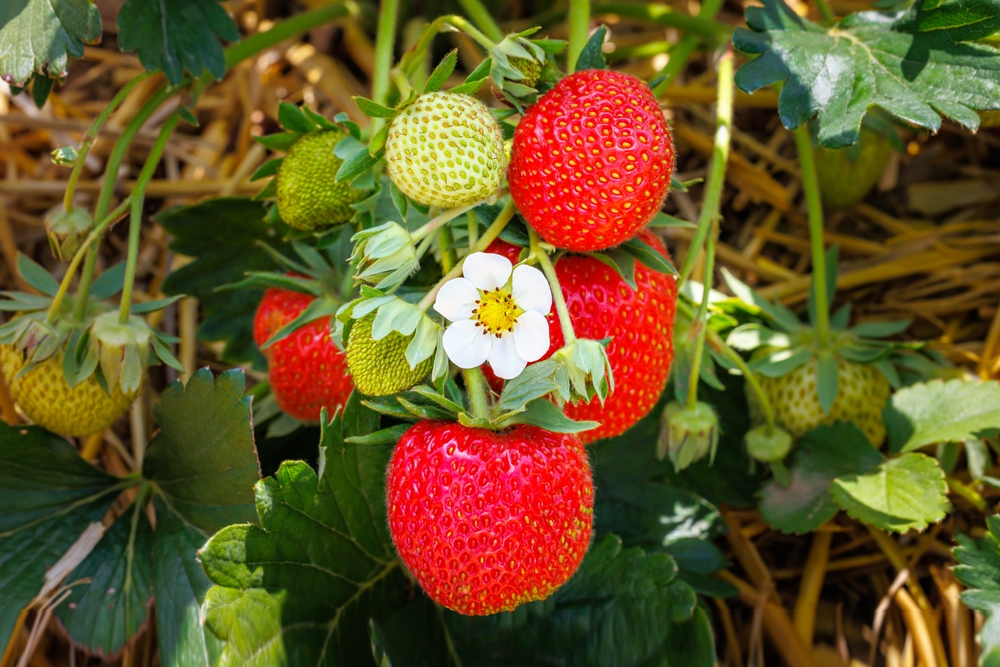
One of the biggest frustrations of growing strawberries is when the berries rest on damp soil and begin to mold or rot. Straw creates a soft, dry barrier between the soil and your fruit, keeping your strawberries lifted and protected. This ensures that berries ripen evenly and maintain their shape and sweetness. Clean fruit is easier to harvest and store, and it generally tastes better too. With straw, your strawberries look like the ones from postcard-worthy farms rather than crushed or dirty garden casualties.
Applying Straw Mulch Is Simple and Beginner-Friendly
You don’t need any specialized tools or techniques to apply straw mulch to your strawberry beds. After planting or once plants begin growing, simply layer straw around each plant, keeping the crown free to prevent rot. A layer several inches thick is ideal for blocking weeds while still letting the plant breathe. Maintenance is minimal: if the straw settles or thins during the season, you just add more. Even new gardeners can apply straw mulch confidently and see instant improvements.
Straw Mulch Is More Environmentally Friendly Than Plastic
Straw is a natural, biodegradable material, while plastic requires manufacturing, transportation, and eventual disposal. Using straw mulch reduces waste and supports sustainable gardening practices. It allows gardeners to work with nature instead of fighting against it. When the season ends, straw can be tilled into the soil or composted rather than thrown away. This simple shift makes your strawberry patch more eco-conscious, resilient, and regenerative.
Straw Mulch Encourages Biodiversity in the Garden
Healthy gardens rely on a balance of living organisms working in harmony. Straw mulch creates habitat for beneficial insects, earthworms, and microorganisms that support plant health. These helpers aerate the soil, fight harmful pests, and improve nutrient availability. Plastic creates a sterile barrier that blocks this entire network of natural support. Straw encourages life, and life always leads to stronger, tastier, happier berries.
Straw Is The Secret Ingredient Your Strawberry Patch Needs
Straw may not look flashy, but it delivers powerful results for gardeners who want plump, clean, flavorful strawberries with minimal fuss. From regulating moisture and temperature to improving soil and supporting beneficial organisms, straw mulch works with nature instead of against it. Plastic mulch might seem convenient, but straw beats it in nearly every meaningful way when long-term plant health and garden sustainability matter. If you’ve been struggling with weeds, rot, or uneven growth, your strawberry patch may simply be asking for straw.
Have you tried mulching your strawberries with straw? Share your experience, insights, or tips in the comments.
You May Also Like…
The Secret to Fall Mulch That Supercharges Next Spring’s Blooms
10 Fruits to Preserve While They’re at Peak Flavor
Your Raised Beds Need This One Winter Trick Before the Ground Freezes
Why Straw Mulch Beats Plastic for Protecting Winter Crops
Why Straw Mulch Protects Roots in Cold Weather

Brandon Marcus is a staff writer for FrugalGardening.com at District Media, Inc., where he delivers practical gardening advice with a relatable, no-nonsense style. An avid amateur gardener, he holds a BA degree and with over ten years of professional writing experience, he is also an award-winning published author whose first book, Questions For Deep Thinkers, was released by Adams Media. His work has appeared in major publications including Fandom.com, CHUD.com, TheColdWire.com, and Fansided.com.
Leave a Reply