Your backyard might seem like a peaceful oasis, but lurking among the blooms and greenery could be a lineup of silent assassins. Some of the prettiest plants are the ones you should be most wary of, hiding dangerous toxins behind their charming colors or sweet scents. Kids, pets, and even unsuspecting gardeners can easily fall victim if they’re not careful.
From berries that look like candy to leaves that seem harmless, nature sometimes plays tricks on us. Together, let’s embark on a thrilling tour of the plants that could turn your backyard from paradise to peril without warning.
Oleander: The Beautiful But Deadly Shrub
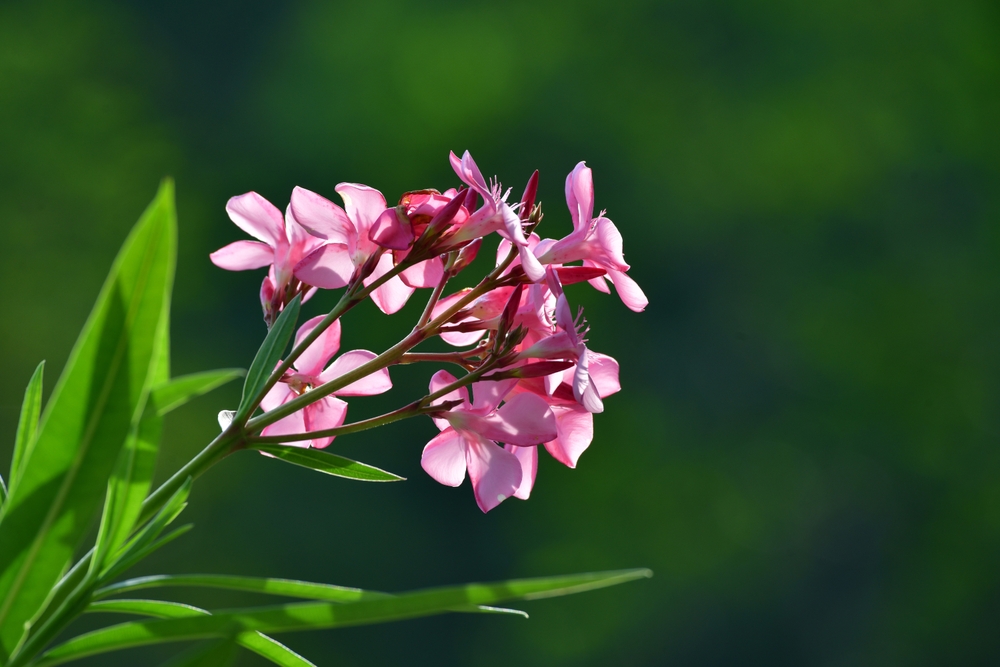
Oleander is a plant that looks like it belongs in a tropical postcard, with clusters of pink, white, or red flowers that seem to say “come closer.” But every part of this plant—from the leaves to the flowers—is highly toxic. Ingesting even a small piece can cause nausea, vomiting, irregular heart rhythms, or worse. It’s so potent that some cultures have historically used it as a poison, though obviously, that’s not something to experiment with. Gardeners often admire it for its beauty, but it demands respect and caution.
Foxglove: The Heart-Stealing Beauty
Foxglove is famous for its tall spikes of bell-shaped flowers in hues of purple, pink, and white, making it a favorite in ornamental gardens. Yet, it contains digitalis, a chemical that affects heart function and can be fatal if swallowed. Even handling the plant and then touching your mouth can lead to mild poisoning in sensitive individuals. Its toxicity is a curious paradox: it’s used medically to treat heart conditions in precise doses but deadly otherwise. Foxglove reminds us that elegance doesn’t always equal safety.
Lily Of The Valley: Small Flowers, Big Risk
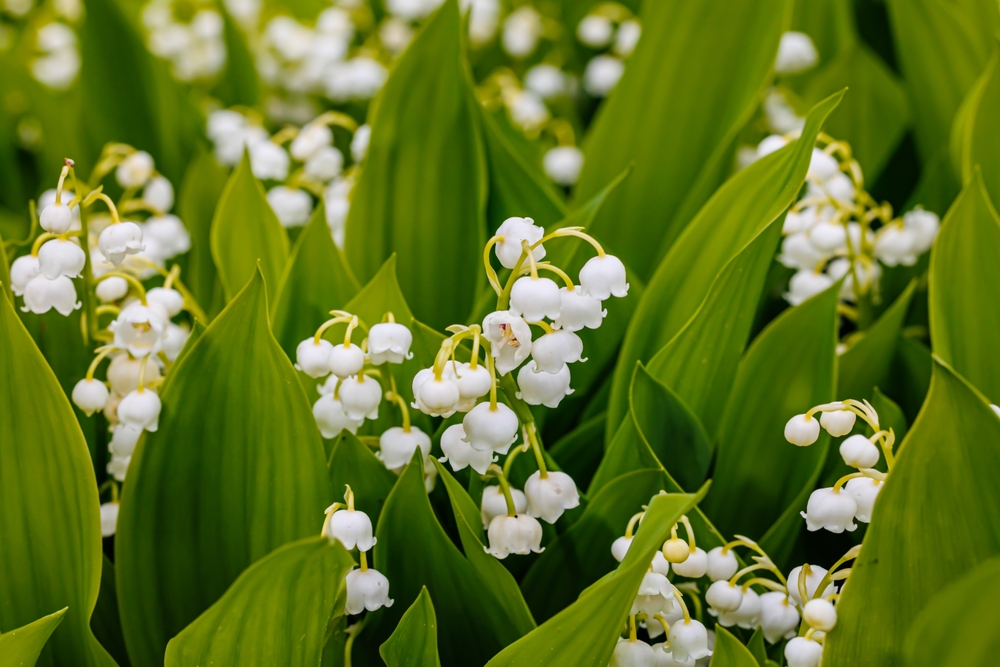
Lily of the Valley might look innocent with its dainty, fragrant, white bells, but these little blossoms pack a punch. The plant contains cardiac glycosides, which can cause irregular heartbeats, nausea, or dizziness if consumed. It’s especially dangerous for children and pets, who might be tempted to taste the sweet-smelling flowers. Despite its allure in weddings and gardens, it’s a plant that must be admired from a distance. Handling it with care and keeping it out of reach can prevent a potentially serious mishap.
Castor Bean Plant: The Colorful Killer
The castor bean plant is eye-catching with its large leaves and spiky seed pods, often a conversation starter in gardens. However, its seeds contain ricin, a highly toxic protein that can be fatal if ingested even in tiny amounts. Symptoms of poisoning include vomiting, diarrhea, and severe dehydration, sometimes progressing to organ failure. While it’s fascinating to look at, it’s a plant that requires extreme caution if it’s in your yard. Many gardeners choose to admire its foliage while keeping children and pets far away.
Autumn Crocus: A Deadly Surprise In Fall
Autumn crocus brightens up the late season with purple or white flowers when most other plants are fading. Unfortunately, it carries colchicine, a toxin that can cause severe gastrointestinal distress and organ damage. Even small amounts can be dangerous, making it a hidden threat in what seems like an innocent autumn display. Its toxicity contrasts sharply with its cheerful appearance, catching unwary admirers off guard. Recognizing it and educating anyone who visits your garden can prevent serious incidents.
Nightshade: The Sweet-Looking Trickster
Many nightshade plants produce glossy black or red berries that look edible and inviting. But these berries are laden with solanine, a chemical that can cause nausea, vomiting, and even neurological symptoms. Some species, like deadly nightshade (belladonna), are so potent that even a few berries can be lethal. Nightshade serves as a reminder that attractiveness in nature can be a warning sign rather than an invitation. Gardeners should learn to identify this plant early to avoid accidental poisoning.
Poison Hemlock: The Historical Villain
Poison hemlock looks harmless with its feathery leaves and white umbrella-shaped flowers, but this plant has a dark history. It contains alkaloids that can paralyze the nervous system and, in some cases, cause death if ingested. Ancient accounts show it was used as a method of execution, most famously for Socrates. Modern encounters are often accidental, particularly among foragers or gardeners who mistake it for parsley or other edible plants. Knowledge and caution are your best defenses against this deadly botanist’s trick.
Rhododendron And Azalea: Pretty Leaves, Serious Danger
Rhododendrons and azaleas are beloved for their spectacular blooms, but their leaves contain grayanotoxins. Consuming even a small amount can lead to nausea, vomiting, low blood pressure, and heart complications. Bees that pollinate these plants can even produce “mad honey,” which can be toxic when ingested. While they’re staples in landscaping, it’s important to keep curious hands and pets away. Admiring them for their beauty is safe, but tasting or touching them indiscriminately is not.
Wisteria: Elegant Vines With A Toxic Twist
Wisteria’s cascading purple or white flowers make it a favorite for trellises and pergolas, giving your garden a fairytale quality. Yet, its seeds and pods contain lectins, which can induce vomiting and diarrhea if swallowed. Children and pets are particularly vulnerable to accidental ingestion. Despite its dreamy appearance, the plant demands respect and preventive measures. Wisteria teaches gardeners that elegance often comes with a hidden hazard.
Daffodils: Cheerful Yet Hazardous
Daffodils herald spring with their bright yellow trumpet-shaped flowers, signaling the end of winter. But the bulbs contain lycorine, which can trigger nausea, vomiting, and diarrhea if consumed. Gardeners should especially be cautious during planting or bulb handling, wearing gloves to minimize exposure. Their toxicity contrasts sharply with their sunny disposition, a reminder that not all cheerful things are safe. Planting them with awareness ensures your spring remains joyful rather than dangerous.
Know Your Backyard And Stay Safe
Your backyard is a place of beauty and relaxation, but it’s also a stage where nature’s hidden dangers can lurk. Recognizing the plants that carry toxins is essential for keeping children, pets, and even adults safe. The thrill of gardening doesn’t have to come with risk, as long as you stay informed and vigilant.
If you’ve encountered these or other poisonous plants firsthand, we’d love to hear your experiences in the comments section below. Awareness, respect, and a dash of curiosity are the keys to enjoying a safe, thriving garden.
You May Also Like…
Are You Poisoning Your Garden? 6 Organic Pest Control Methods That Work
10 Plants Deer Target More Often in Fall
5 Wild Edibles to Forage in October
9 Weeds That Spread Toxic Pollen Without Warning
6 Hidden Pest Infestations That Start in the Backyard

Brandon Marcus is a staff writer for FrugalGardening.com at District Media, Inc., where he delivers practical gardening advice with a relatable, no-nonsense style. An avid amateur gardener, he holds a BA degree and with over ten years of professional writing experience, he is also an award-winning published author whose first book, Questions For Deep Thinkers, was released by Adams Media. His work has appeared in major publications including Fandom.com, CHUD.com, TheColdWire.com, and Fansided.com.
Leave a Reply