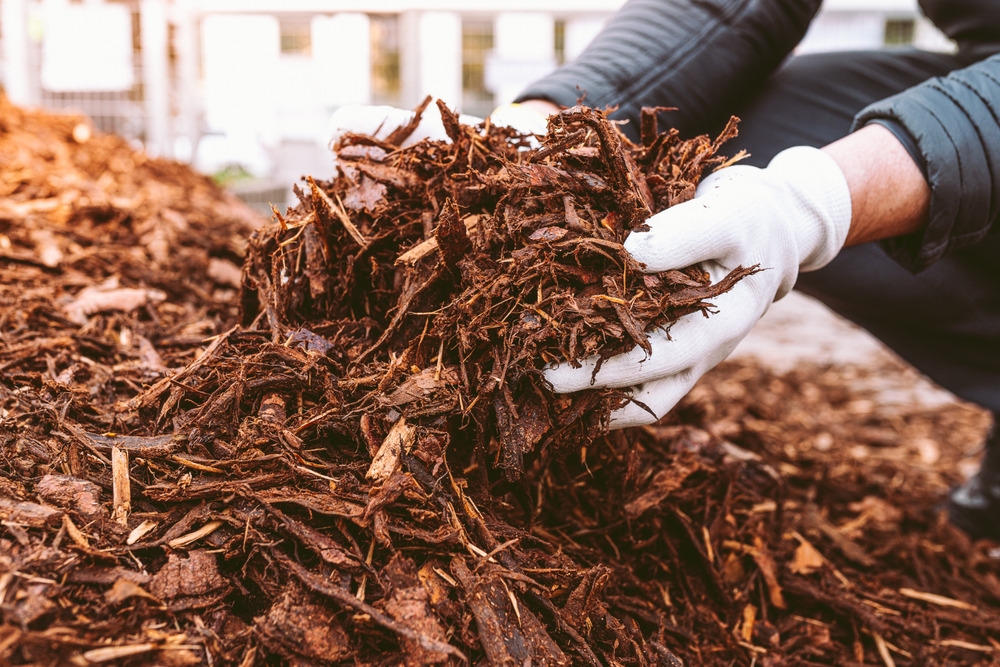
There’s something undeniably magical about stepping outside on a crisp fall morning and imagining the garden that will burst into color months later. Most gardeners spend spring scrambling to fertilize, prune, and coax their flowers into greatness, but the true secret weapon comes before the snow settles in.
The secret? Fall mulch. Not just tossing some wood chips around your flower beds, but using mulch intentionally—like a gardener who knows the difference between “hoping for flowers” and “preparing for fireworks.” Done right, fall mulch is the difference between “meh” blooms and the kind that make your neighbors slow-walk past your yard in awe.
Why Fall Mulch Matters More Than Spring Mulch
Most gardeners think mulch is something you deal with when the weather gets warm and everything starts to grow, but fall mulch works behind the scenes all winter long. At the most basic level, mulch protects your soil from freezing and thawing cycles that can push roots up and damage tender perennials. But there’s more: as the mulch slowly breaks down, it feeds the soil with organic matter, turning ordinary dirt into soft, nutrient-rich earthworms’ paradise. Plants wake up in spring to find a buffet waiting for them—with no extra work from you. By mulching in fall, you’re essentially tucking your garden into a cozy blanket that doubles as breakfast in bed.
The Type Of Mulch Matters More Than You Think
Not all mulch is created equal, and choosing the right one can make or break your spring bloom success. Hardwood mulch breaks down slowly and provides long-term coverage, but compost and shredded leaves feed soil faster and better. Straw works wonderfully for vegetable gardens but can look messy in flower beds if not layered neatly. Pine needles may acidify soil slightly, which roses and hydrangeas absolutely adore. Understanding which mulch suits your plants isn’t just practical—it’s the difference between guessing and gardening with purpose.
How Mulch Boosts Soil Life While You Sleep (And So Does Your Garden)
What many gardeners don’t realize is that mulch’s real magic happens underground. Beneath that layer of organic matter lives an entire world of microbes, fungi, worms, and beneficial organisms that quietly transform your soil. When mulch breaks down, it becomes food for that underground ecosystem, which in turn creates healthier, lighter, airier soil. Healthier soil grows stronger roots, and stronger roots grow stronger plants with more blooms. Fall mulch gives the soil time to transform over winter, so your flowers hit spring like they’ve been training in a five-star spa retreat.
The Secret Sauce: Prepping Your Beds Before Mulching
Slapping mulch over your garden without prepping the soil is like painting a house without cleaning the walls first. Take a moment in fall to remove dying annuals, trim back perennials (but not too aggressively—many plants benefit from some winter structure), and pull weeds. Loosen the soil gently with a fork to allow oxygen and moisture to move through. If you have compost, sprinkle it beneath the mulch—this is the kicker that supercharges the whole process. When spring arrives, your plants won’t just wake up; they’ll leap.
How Much Mulch Is The Right Amount?
Too little mulch does nothing, but too much mulch can suffocate your plants, so balance is key. Generally, two to three inches is the magic depth for most garden beds. Spread it evenly, avoiding those volcano-style piles that some people build at the base of trees (which, for the record, trees hate). By keeping mulch a few inches away from stems and trunks, you prevent rot and give plants room to breathe. Think of mulch as a protective comforter—not a weighted blanket that smothers.
Leaf Mulch: The Most Underrated Free Fertilizer On Earth
If you have trees—and a rake—you already have one of the best mulches available. Shredded leaves break down faster than wood chips and deliver nutrients in a form plants absolutely adore. Instead of bagging your leaves and sending them away, run them through a mower, gather the shredded pieces, and spread them like garden magic. Leaf mulch improves soil texture almost immediately, attracting worms and building rich, dark humus that looks like the forest floor. Gardeners who use leaf mulch in fall tend to have spring gardens that look like nature approved them personally.

The Spring Results: Blooms That Look Bigger, Brighter, And Happier
Here’s where all your fall effort pays off—with blooms that look like they were grown under secret, expensive greenhouse conditions. When a plant has well-nourished soil and protected roots, it doesn’t waste energy on repairing damage—it pours everything into growth and flowers. The colors are richer, the petals are fuller, and the foliage grows lush and thick. Gardeners who mulch in fall often notice that their plants bloom earlier as well. It’s like giving your garden a head start while everyone else is still waking up.
Give Your Garden The Gift Of Fall Mulch
Fall mulch isn’t just a gardening chore—it’s a strategic move with long-lasting rewards. By protecting the soil, feeding beneficial organisms, and providing slow-release nutrients, mulch gives your spring flowers everything they need to flourish beautifully. Whether you use compost, shredded leaves, wood mulch, or a thoughtful blend, the key is consistency and preparation.
If you’re ready for the kind of garden that turns heads next spring, your work starts now—in fall. Have you tried fall mulching before? Let us know below!
You May Also Like…
Why Straw Mulch Beats Plastic for Protecting Winter Crops
11 Mulching Mistakes That Can Suffocate Roots
How to Spot Overwintering Insects in Mulch
9 Crops That Overwinter for a Spring Harvest
How Cover Crops Boost Spring Yields

Brandon Marcus is a staff writer for FrugalGardening.com at District Media, Inc., where he delivers practical gardening advice with a relatable, no-nonsense style. An avid amateur gardener, he holds a BA degree and with over ten years of professional writing experience, he is also an award-winning published author whose first book, Questions For Deep Thinkers, was released by Adams Media. His work has appeared in major publications including Fandom.com, CHUD.com, TheColdWire.com, and Fansided.com.
Leave a Reply