Across the state of Florida, homeowners associations have started tightening the screws on what people can plant, install, and display in their own front gardens. New enforcement trends and updated community standards now target features that once seemed harmless, even charming. Some of these changes stem from updated interpretations of state law. Others come straight from boards that want uniformity, safety, or lower maintenance costs. Whatever the motivation, the result feels the same: fewer creative liberties in the front yard.
Anyone living in a community in places like Florida should pay close attention. Associations hold real authority, and they can levy fines or require costly removals when homeowners ignore guidelines.
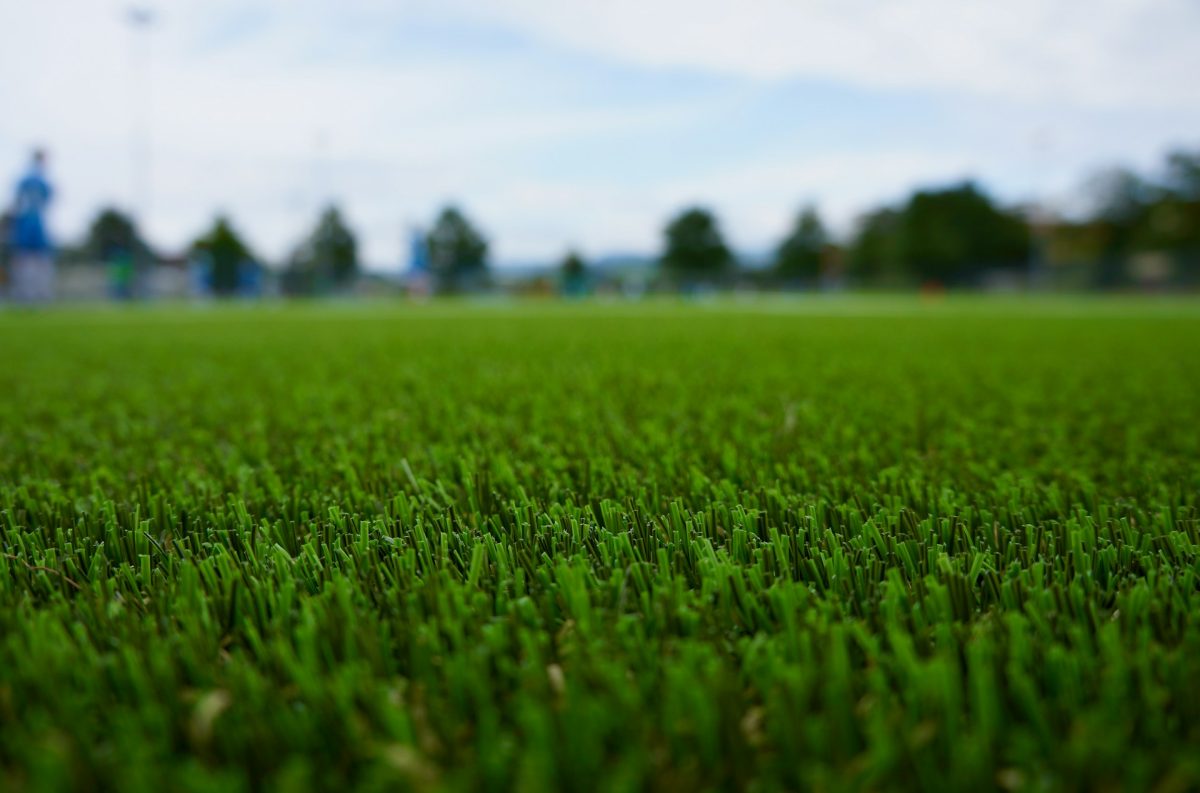
1. Artificial Turf Is Losing Its Green Light
Artificial grass once promised the perfect lawn without irrigation headaches, fertilizer runoff, or relentless mowing under the Florida sun. Many homeowners installed it to conserve water and cut maintenance costs, especially in drought-prone regions. However, several HOAs now restrict or outright ban artificial turf in visible front yards.
Associations often argue that synthetic grass fades unevenly, traps heat, and creates drainage concerns. Some boards claim it clashes with community aesthetics, especially when different shades or textures appear from house to house. While Florida law generally protects certain environmentally friendly landscaping choices, those protections do not always override private HOA covenants unless the statute specifically limits HOA authority.
Homeowners considering artificial turf should first review their governing documents carefully. Many communities require architectural review committee approval before installation. Submitting detailed plans, product samples, and drainage strategies increases the odds of approval. Skipping that step almost guarantees a letter demanding removal.
2. Vegetable Gardens Face Front Yard Pushback
Florida residents embrace homegrown tomatoes, peppers, and herbs year-round thanks to the warm climate. State law even limits HOA authority in some cases. Under Florida Statute 720.3075, associations cannot prohibit vegetable gardens on certain parcels, but the law does not give complete freedom everywhere.
HOAs can still regulate placement, size, and visibility in many communities. That means boards frequently block large raised beds or highly visible front-yard vegetable patches. Associations often justify these limits by pointing to “community standards” or consistency requirements.
Homeowners who want edible landscaping should explore creative options instead of fighting outright bans. Integrating vegetables into ornamental beds, choosing attractive planters, and maintaining neat borders often satisfies review committees. Keeping gardens tidy and well-maintained reduces complaints from neighbors and lowers the risk of enforcement actions.
3. Solar Lights and Decorative Lighting Under Scrutiny
Outdoor lighting adds drama, safety, and personality to a yard. Pathway lights, uplighting for palms, and colorful LED accents have become common throughout Florida subdivisions. Yet many HOAs now restrict brightness levels, placement, and even color temperature.
Associations often cite light pollution, glare into neighboring homes, and uniformity concerns as reasons for tightening rules. Some boards prohibit blinking, color-changing, or holiday-style lighting outside specific calendar windows. Others require low-voltage fixtures that blend discreetly into landscaping.
Before installing new lighting, homeowners should submit a lighting plan that includes fixture specifications and placement diagrams. Choosing warm, soft-white lights instead of harsh blue tones often improves approval odds. A thoughtful design that enhances safety without overwhelming the streetscape usually wins more support from boards.
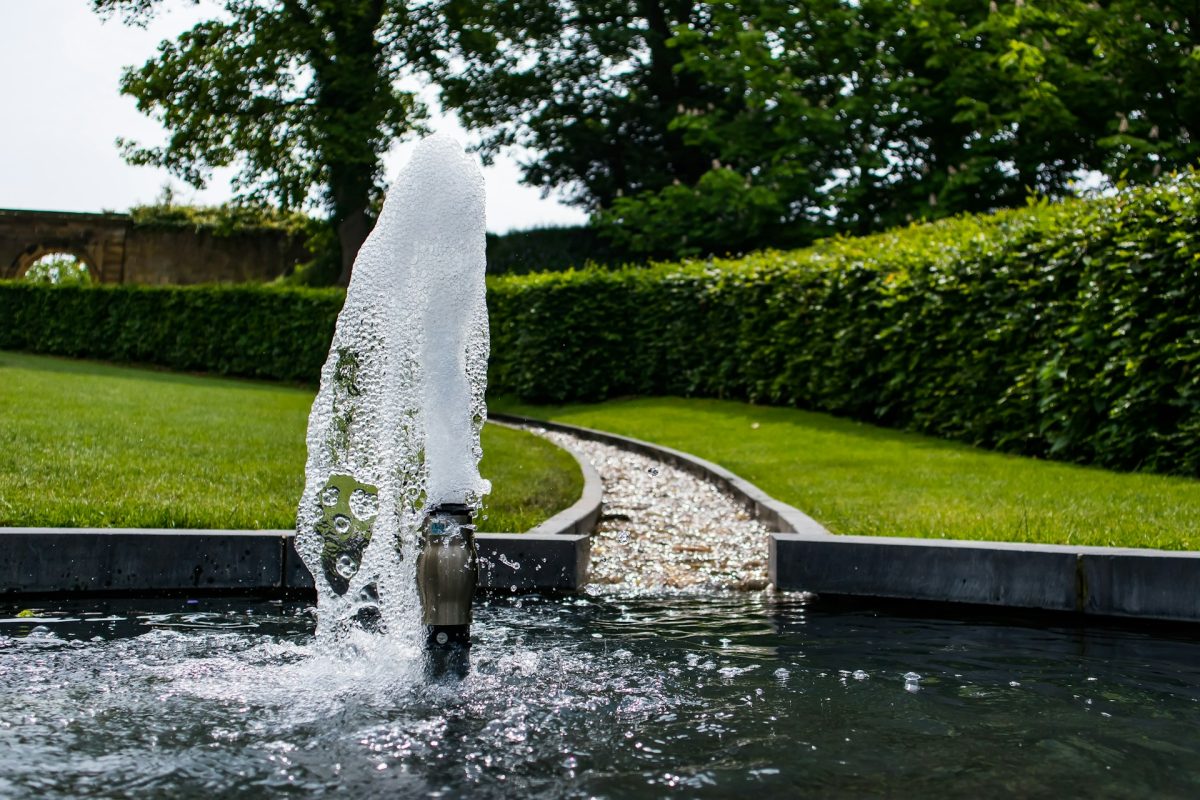
4. Water Features Are Drying Up
Few features feel more luxurious than a bubbling fountain or small koi pond framed by tropical plants. The sound of moving water offers a sense of calm that pairs perfectly with Florida’s lush climate. Unfortunately, many HOAs now limit or prohibit standalone water features in front yards.
Boards frequently point to safety risks, especially in communities with children. Standing water can also attract mosquitoes, a serious concern in humid regions. Maintenance issues come into play as well, since neglected fountains quickly become eyesores.
Homeowners who crave the ambiance of water should explore alternatives that align with community guidelines. Some HOAs allow small, wall-mounted fountains in courtyards or screened areas that remain out of street view. Others permit subtle features integrated into approved landscaping designs. Clear communication with the architectural committee before breaking ground remains the smartest move.
5. Large Garden Structures and Statement Pieces Are Getting Cut
Garden arches, pergolas, oversized sculptures and decorations, and elaborate trellises once signaled personality and flair. In many Florida communities, those bold touches now trigger immediate review and, in some cases, rejection.
HOAs often argue that large structures alter sightlines, create maintenance concerns, or clash with neighborhood themes. Some governing documents restrict any freestanding structure in front yards without explicit board approval. Even decorative items like tall statues or themed displays may fall under architectural modification rules.
Homeowners who love statement pieces should think strategically. Scaled-down accents, cohesive color palettes, and designs that match the home’s exterior often pass review more easily. Checking setback requirements and height limits before purchasing a structure can prevent expensive mistakes. A quick consultation with the board may feel inconvenient, but it beats dismantling a newly installed pergola.
Know the Rules Before You Commit
HOA authority in Florida carries real weight, and garden decisions now sit under closer scrutiny than ever. Boards continue to update guidelines in response to maintenance costs, safety concerns, and evolving community expectations. Ignoring those rules rarely ends well, especially when fines accumulate quickly.
Before planting, installing, or building anything in a deed-restricted neighborhood, homeowners should review their declaration of covenants, bylaws, and architectural guidelines carefully. Submitting thorough applications, keeping records of approvals, and maintaining open communication with board members protect both investments and peace of mind. A little patience upfront often prevents costly removals later.
Which of these garden features feels worth the extra effort to keep, and which ones simply are not worth the fight? If you have thoughts, share them below in the comments section.
You May Also Like…
Florida Is Bracing for a Major Pest Surge — Here’s the Low‑Cost Prep Homeowners Need Now
Florida Gardeners Warned: This Invasive Beetle Is Destroying Fruit Trees
Pet Owners in Florida Warned About a Toxic Garden Shrub Gaining Popularity
New HOA Rules in the Carolinas Are Banning These Common Garden Features
9 Reasons Your Lawn Might Be Violating HOA Rules

Brandon Marcus is a staff writer for FrugalGardening.com at District Media, Inc., where he delivers practical gardening advice with a relatable, no-nonsense style. An avid amateur gardener, he holds a BA degree and with over ten years of professional writing experience, he is also an award-winning published author whose first book, Questions For Deep Thinkers, was released by Adams Media. His work has appeared in major publications including Fandom.com, CHUD.com, TheColdWire.com, and Fansided.com.
Leave a Reply