Florida’s fruit trees face a relentless enemy that doesn’t care how much you watered, pruned, or fertilized. A tiny invasive beetle now tears through orchards and backyard gardens alike, leaving once-healthy trees wilted and dying in a matter of weeks. Gardeners across the state need to recognize this threat quickly, because delay gives this pest exactly what it wants: time.
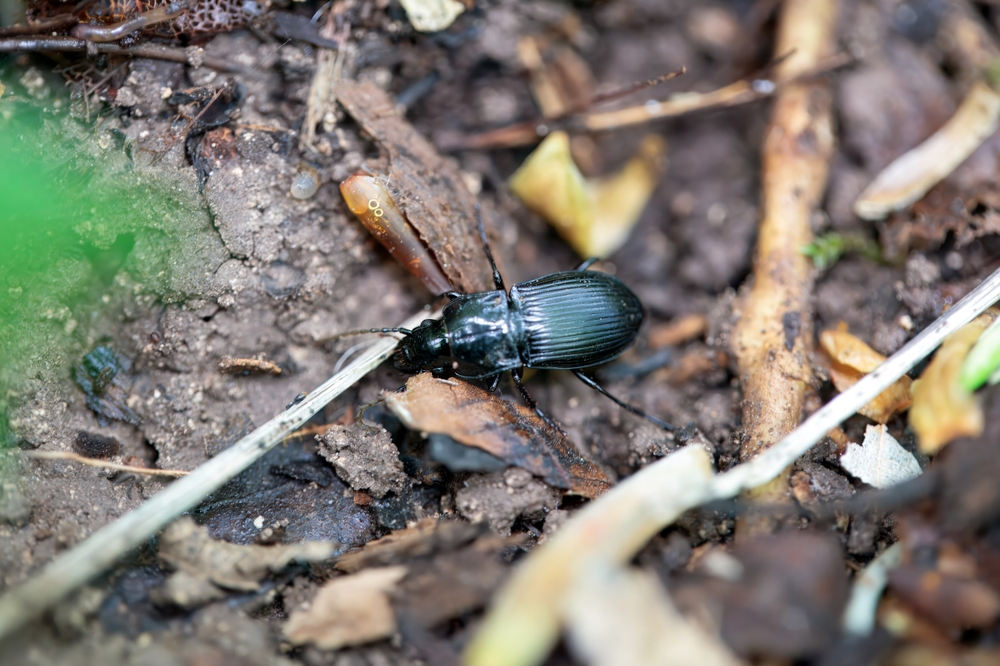
The culprit behind much of the devastation carries a name that sounds almost harmless: the redbay ambrosia beetle, known scientifically as Xyleborus glabratus. This small, dark beetle measures barely one-sixteenth of an inch long, yet it delivers an outsized punch. Since its arrival in the southeastern United States in the early 2000s, it has spread aggressively across Florida and fueled the spread of a deadly plant disease called laurel wilt. Fruit trees that belong to the laurel family, especially avocado, sit directly in its crosshairs.
A Beetle With a Devastating Strategy
The redbay ambrosia beetle does not simply chew leaves or nibble on bark. Female beetles bore directly into the wood of host trees and introduce a fungal pathogen called Raffaelea lauricola. That fungus triggers laurel wilt, a vascular disease that clogs the tree’s water transport system. Once the fungus spreads through the xylem, the tree can no longer move water from roots to leaves, and wilting begins quickly.
Avocado trees, which many Florida gardeners treasure for both shade and fruit, rank among the most vulnerable hosts. The beetle also attacks redbay, swamp bay, and other members of the Lauraceae family. After infection, leaves often droop and turn brown while still attached to branches. Dark streaks appear in the sapwood beneath the bark, a telltale sign that laurel wilt has taken hold.
Gardeners sometimes assume drought or nutrient deficiencies caused the sudden decline, but laurel wilt moves far too fast for those explanations. A healthy-looking tree can collapse within weeks once infection spreads. That speed makes early detection critical, because once the fungus colonizes the tree, recovery does not occur.
Why Florida Feels the Impact So Deeply
Florida’s climate provides exactly what this beetle wants: warmth, humidity, and an abundance of host trees. Commercial avocado groves in South Florida have suffered significant losses over the past decade due to laurel wilt, and backyard growers feel the damage just as sharply.
Avocados represent more than a trendy toast topping in Florida; they form a vital agricultural commodity, especially in Miami-Dade County. When beetles spread laurel wilt into commercial groves, growers lose not just individual trees but entire blocks of production. Home gardeners face a more personal heartbreak. Many people plant avocado trees to connect with family traditions or to enjoy fresh fruit steps from their kitchen, and watching a mature tree decline within weeks feels devastating.
The beetle does not limit its damage to avocados. Native redbay trees in forests across the state have declined dramatically since the beetle’s arrival. That loss affects wildlife as well, because certain species rely on redbay for food and habitat. Florida’s ecosystems and its backyard gardens now share a common threat.
The Warning Signs You Should Never Ignore
If you grow avocado or other laurel family trees, you need to watch for specific symptoms. Wilting leaves that remain attached to branches often mark the first visible clue. You might also notice small toothpick-like strands of compacted sawdust protruding from the bark. Female ambrosia beetles push this material out as they bore into the wood, and those tiny tubes can signal active infestation.
Peeling back a small section of bark may reveal dark staining in the sapwood, which indicates fungal infection. Once you see widespread wilting combined with internal streaking, laurel wilt likely has advanced too far for the tree to survive. At that point, swift removal becomes essential.
Do not move firewood from infected or unknown sources. Ambrosia beetles can hitch a ride inside cut wood and travel to new locations. Florida agriculture officials repeatedly stress this point because human movement of wood accelerates the beetle’s spread more than natural flight alone.
What You Can Actually Do to Protect Your Trees
Gardeners often feel powerless against invasive species, but you can take meaningful steps. Start with vigilant monitoring. Inspect your trees regularly, especially during warmer months when beetle activity increases. Early detection of a single infested tree can help you prevent a wider outbreak on your property.
Quick removal and proper disposal of infected trees reduces breeding sites for the beetles. Grind or chip the wood on-site if possible, and never transport potentially infested wood to another location.
Diversifying your landscape also helps reduce risk. Planting a mix of species instead of concentrating only avocado or other laurel family trees limits the beetle’s ability to move easily from host to host. A resilient yard rarely relies on a single species for beauty or production.
Science, Vigilance, and a Bit of Stubborn Hope
Researchers continue to study the redbay ambrosia beetle and laurel wilt in hopes of developing better management strategies. Scientists have explored resistant avocado varieties and improved detection methods. While no silver bullet exists yet, ongoing research provides cautious optimism.
Florida gardeners possess an advantage that many underestimate: community awareness. When neighbors share information about infestations and coordinate tree removal quickly, they reduce local beetle populations. Silence and delay help the pest; communication and action slow it down.
You cannot control every insect that enters your yard, but you can refuse to ignore the warning signs. Take ten minutes this week to walk your property and examine your fruit trees carefully. Look at the leaves, inspect the trunk, and trust your instincts if something looks off. That simple habit could save a tree you have nurtured for years.
The Harvest Depends on What You Do Next
Florida’s fruit trees stand at a crossroads, and gardeners hold more influence than they realize. The redbay ambrosia beetle may measure only a few millimeters, yet it threatens harvests, shade, and entire local ecosystems. Quick identification, responsible wood handling, and cooperation with extension experts give you real leverage against this invasive pest.
You cannot undo the beetle’s arrival, but you can slow its progress and protect what grows in your own soil. The health of your avocado tree, and perhaps your neighbor’s, depends on attention and action today.
Have you checked your fruit trees recently, and would you recognize the signs of laurel wilt if it appeared in your yard? Talk about it in our comments section below.
You May Also Like…
These Plants Could Get You Fined in Florida This Year
Gardeners in Florida Are Reporting Early Aphid Surges—Here’s Why
The $5 Gardening Tool That’s Saving Florida Growers Hundreds This Winter
5 Reasons Asian Lady Beetles Are Swarming Georgia
NC Agriculture Officials Warn: This Invasive Pest Is Now in Residential Gardens

Brandon Marcus is a staff writer for FrugalGardening.com at District Media, Inc., where he delivers practical gardening advice with a relatable, no-nonsense style. An avid amateur gardener, he holds a BA degree and with over ten years of professional writing experience, he is also an award-winning published author whose first book, Questions For Deep Thinkers, was released by Adams Media. His work has appeared in major publications including Fandom.com, CHUD.com, TheColdWire.com, and Fansided.com.
Leave a Reply