Buckle up, because 2026 is gearing up to be a blockbuster year for pests across the Sunshine State, according to entomologists and pest pros. Scientists studying patterns of heat, humidity, and rainfall have put their heads together and delivered some unsettling news: multiple pest populations aren’t just growing — they’re primed to explode.
This year’s forecast points to booming colonies of ants, termites, and mosquitoes, fueled by weather trends that mimic the perfect pest paradise. If you want to stay ahead of these tiny invaders without emptying your wallet, you’ll want real strategies that work.
1. Ant Armies on the March: How to Outsmart Them Without Breaking the Bank
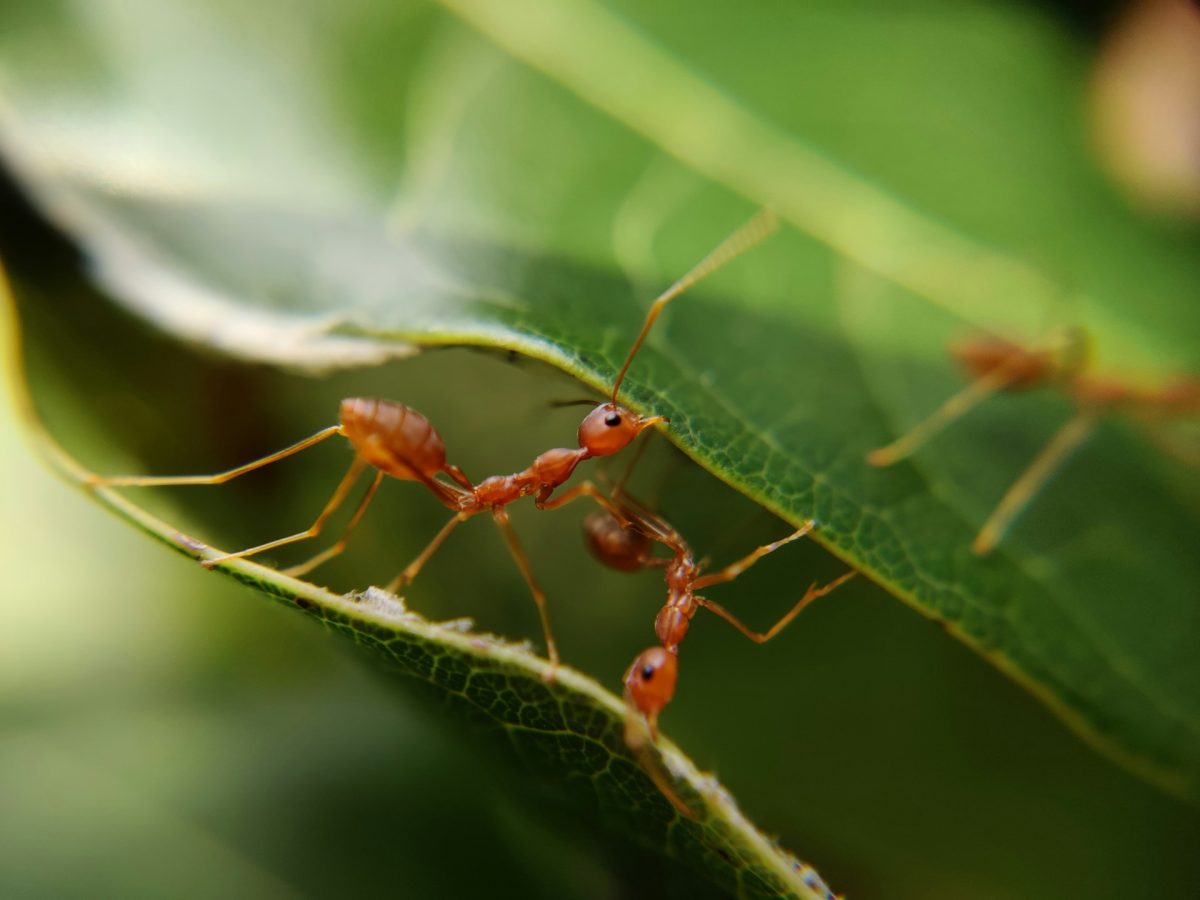
Florida’s ant situation can feel like a constant negotiation. Carpenter ants, fire ants, and odorous house ants don’t just show up occasionally — they make repeat appearances in kitchens, bathrooms, patios, and yards alike. Experts note that warmer winters and wetter springs create ideal breeding conditions, meaning colonies bounce back faster than ever before.
To keep ants at bay without spending a ton, start with proactive vigilance. Ants leave scent trails to communicate, so the moment you see the first scout, trace their path and clean it with a 50/50 vinegar‑water blend. That disrupts their chemical messaging and throws them off the food source. Make sure to wipe down counters daily; ants only need access to sugar, grease, or crumbs to justify setting up camp.
Don’t forget the yard. Ant colonies often start outdoors, exploiting mulch and woodpiles. Simple landscaping tweaks — moving mulch away from foundation walls and stashing firewood at least 20 feet from the house — remove inviting spots for colonies to grow. For inexpensive baiting, mix borax with sugar and water and place it where you see ant traffic. The borax knocks out the workers, and because they bring it back to the nest, the whole colony weakens. It’s not instant magic, but patience and consistency pay off.
2. Termites: Silent Destroyers You Can Detect Early
Termite damage doesn’t announce itself with fanfare. One day your walls are sturdy, and the next you notice hollow‑sounding wood or tiny piles of frass resembling sawdust. Florida has one of the highest termite pressure ratings in the U.S., and this year’s mild winter paired with wet conditions sets the stage for a surge in these wood‑chomping insects.
You don’t need to splurge on big pest control contracts immediately, but you do need to inspect regularly. Once a month, tap wooden structures around your home with a screwdriver or small hammer. Solid wood sounds crisp and firm; compromised wood sounds hollow. Look for mud tubes climbing foundation walls — these pencil‑width trails serve as termite highways from soil into wood.
3. Mosquito Madness: How to Cut Down Bites and Disease Risk
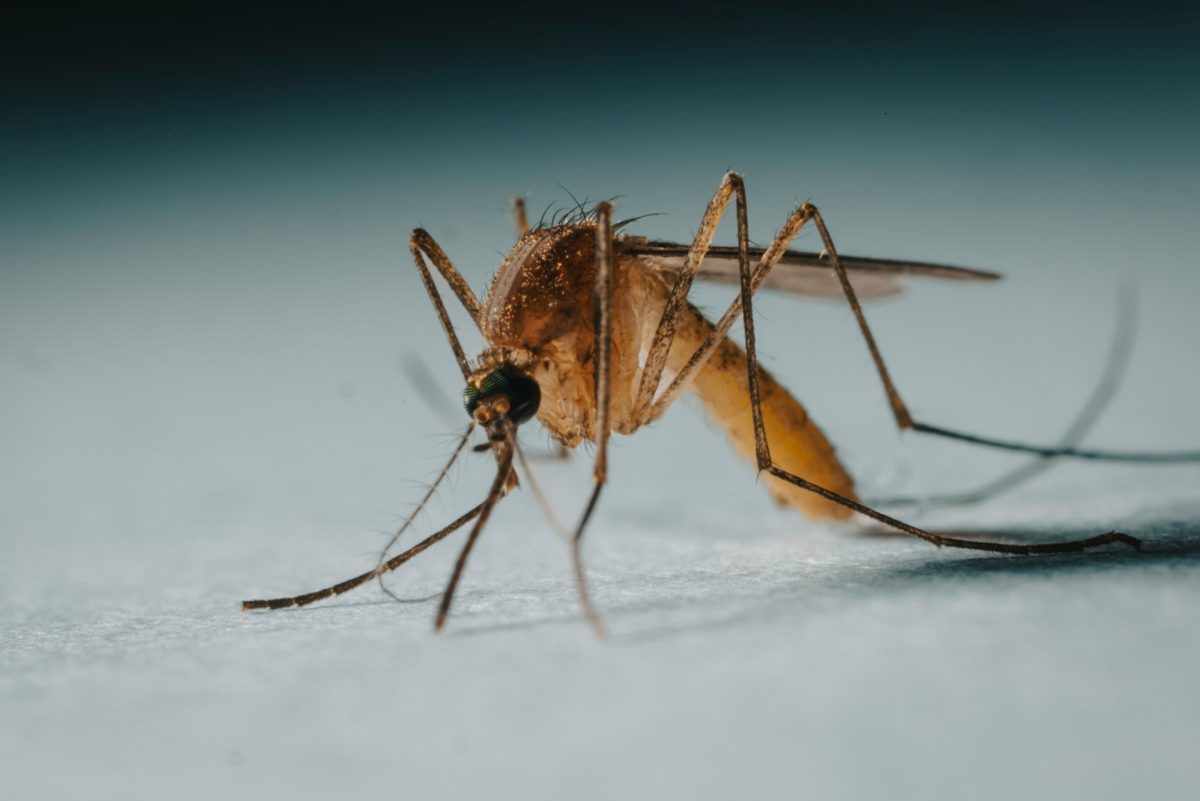
If there’s a mosquito that enjoys Florida humidity, it’s all of them. These buzzing menaces don’t just leave itchy welts; they spread diseases like West Nile virus and, in rare cases, dengue. Mosquito season in Florida stretches long, and this year’s combination of warm spells and rain events gives them plenty of breeding sites.
Keep in mind that mosquitoes breed in standing water. That sounds obvious, but it’s shocking how many small reservoirs accumulate in a yard: old buckets, plant saucers, clogged gutters, birdbaths, forgotten toys. Emptying these weekly stops hundreds of larvae before they ever become flying pests.
For inexpensive protection during evening hours, set up battery‑powered fans around porches and patios. Mosquitoes struggle to fly in a breeze, and a $15–$30 fan can create a bug‑free zone. If you need topical protection, go for EPA‑registered repellents with proven ingredients like DEET or Picaridin. You don’t need industrial‑strength formulas; mid‑range concentrations applied correctly protect you just as well and avoid overpaying for fancy branding.
4. Roaches and Rodents: Low‑Cost Barriers That Work
Roaches and rodents love warmth, food crumbs, and clutter. In Florida, these critters don’t take a long winter break, so prevention remains a year‑round endeavor. The cornerstone of inexpensive defense? Deny them what they want.
Roaches can survive in tiny spaces and slip through gaps like gym socks through a washing machine. Seal cracks around baseboards and pipes with household caulk. Keep counters, floors, and cabinets clean; even modest crumbs attract them. For baiting, invest in gel bait tubes you squeeze into corners and crevices — they’re cheap, targeted, and effective because roaches take the poison back to the nest.
Yard Care That Saves You Money and Stress
No matter which pests concern you most, one theme unites effective, affordable preparation: good yard maintenance. Overgrown bushes and untrimmed trees provide bridges for ants and spiders to reach your walls and roof. Tall grass and leaf litter trap humidity and encourage mosquitoes and ticks to hang around.
Spend a weekend cutting back vegetation, mowing regularly, and raking leaves. Trim shrubs at least 3 feet away from the house to break pest pathways. Aerating soil and removing thatch helps water drain, which discourages termites, mosquitoes, and fungi that can weaken structures. A tidy yard doesn’t just look nice; it tips the ecological balance away from pests toward beneficial insects like ground beetles and dragonflies that naturally keep pest populations in check.
Safeguard Your Home and Peace of Mind Without Overspending
This isn’t the year to ignore the critter cues Mother Nature is sending. Rising temperatures, increased moisture, and shifting weather patterns mean ants, termites, mosquitoes, and more will be not just present but prolific. But knowledge gives you leverage. You don’t need to surrender your porch to buzzing mosquitoes or watch termites feast on your deck.
Take actions that cost little but matter a lot — clean water sources weekly, tweak landscaping, deploy budget baits, tighten structural gaps, and observe consistently. Your hard work now saves you stress, money, and heartbreak later.
Are you ready to make this Florida season the year you outsmart the bugs and pests that want to take over your space? Share your go‑to pest prevention hacks and what you’re planning in the comments.
You May Also Like…
This One Winter Gardening Habit Could Be Spreading Invasive Pests Across the South
Why Your Raised Beds Might Be Harboring Pests Right Now—Even in Freezing Temps
Florida Gardeners Warned: This Invasive Beetle Is Destroying Fruit Trees
These Plants Could Get You Fined in Florida This Year

Brandon Marcus is a staff writer for FrugalGardening.com at District Media, Inc., where he delivers practical gardening advice with a relatable, no-nonsense style. An avid amateur gardener, he holds a BA degree and with over ten years of professional writing experience, he is also an award-winning published author whose first book, Questions For Deep Thinkers, was released by Adams Media. His work has appeared in major publications including Fandom.com, CHUD.com, TheColdWire.com, and Fansided.com.
Leave a Reply